

 833-264-6620




 By: by Amino Science
If you’ve ever seen bright red blood on your toilet paper or felt pain or itching around the anal area, you’ve probably experienced hemorrhoids. And if you have, you’re not alone. In fact, it’s estimated that about 10 million Americans experience hemorrhoids each year, and nearly three out of four adults will have the condition at some point during their lives.
If you’re suffering from hemorrhoids now or simply want to avoid them in the future, read on to discover the causes, symptoms, and available therapy for hemorrhoids and what you can do to prevent this annoying and sometimes painful condition.
If you’re like most people, you’re probably unaware that everyone has hemorrhoids. In fact, they’re a normal and healthy part of our anatomy.
You see, the word “hemorrhoids” actually refers to the cushion-like tissue that’s filled with blood vessels and lies just beneath the mucous membranes lining the lower rectum and anus. Together with the anal sphincter, this tissue helps control bowel movements.
But over time, this necessary component of our gastrointestinal tract has become synonymous with the swollen and distended veins we call hemorrhoids, or piles—the anal region’s answer to varicose veins.
Hemorrhoids usually occur when pressure increases in the veins surrounding the anus. And when pressure increases, blood flow is reduced, and the veins begin to swell. Common risk factors for this increased pressure include:
Because the tissues around the rectum tend to weaken with age, hemorrhoids are more likely to occur in older adults.
Hemorrhoids can cause a variety of symptoms, from barely noticeable to extremely painful, but the most common symptoms of hemorrhoids include:
The symptoms felt with hemorrhoids also generally depend on whether the hemorrhoid is internal or external.
As the name suggests, internal hemorrhoids are located inside the lining of the rectum. These types of hemorrhoids aren’t usually noticeable unless they prolapse (fall down from their usual position) and push through the anal opening. When this occurs, symptoms may include pain, itching, and bleeding with bowel movements.
The severity of internal hemorrhoids is also sometimes graded on a scale of I to IV:
In contrast to internal hemorrhoids, external hemorrhoids are located under the skin, around the outer aspect of the anus. Symptoms of these types of hemorrhoids can include bleeding with a bowel movement, itching, or a noticeable mass at the anal opening. External hemorrhoids can also sometimes develop a blood clot. When this occurs, they become known as thrombosed external hemorrhoids and may cause severe pain and swelling near the anus.
Interestingly, when the blood clot within a thrombosed hemorrhoid is reabsorbed by the body and the hemorrhoid heals, it sometimes leaves a bit of residual skin behind where the skin was stretched out. This pinched up area of skin is known as a skin tag. Although skin tags may be bothersome, they’re completely harmless.
If you have a thrombosed external hemorrhoid, your health care provider will be able to diagnose the condition by simply looking at it. Likewise, if you have internal or external hemorrhoids that have prolapsed into the anal canal, your health care provider will be able to feel them during a digital rectal exam.
However, internal hemorrhoids that have not prolapsed are so soft they may be missed even with the use of a rectal exam. In this case—and if your symptoms warrant—additional examination of the lower portion of the large intestine and rectum may be performed using various types of lighted instruments (anoscope, proctoscope, sigmoidoscope).
And if you have evidence of rectal bleeding or blood in your stool, a flexible sigmoidoscopy or colonoscopy may be performed to rule out other causes of bleeding, including colon polyps and cancer, especially if you’re over the age of 45.
If you have hemorrhoids, the good news is that home remedies are generally all that’s needed. Some of the most common methods recommended for treatment of hemorrhoids are:
In the case of a thrombosed external hemorrhoid that’s accompanied by severe pain, a prolapsed internal hemorrhoid that can’t be pushed back into the anal canal, or large or persistent bleeding hemorrhoids, an office procedure can be performed to treat the condition. These procedures include:
For patients with large hemorrhoids that haven’t responded to more conservative treatment, surgical procedures may be warranted. These procedures include:
There are many steps you can take to prevent hemorrhoids from forming in the first place. As mentioned above, moderate exercise can stimulate bowel function, and eating a high-fiber diet and drinking plenty of water will soften your stool and increase its bulk so it’s easier to pass and puts less pressure on the rectum and anus.
And if you find it difficult to get enough fiber in your diet each day, you can also consider a fiber supplement. Both psyllium and methylcellulose have been shown to improve the pain and rectal bleeding associated with hemorrhoids.
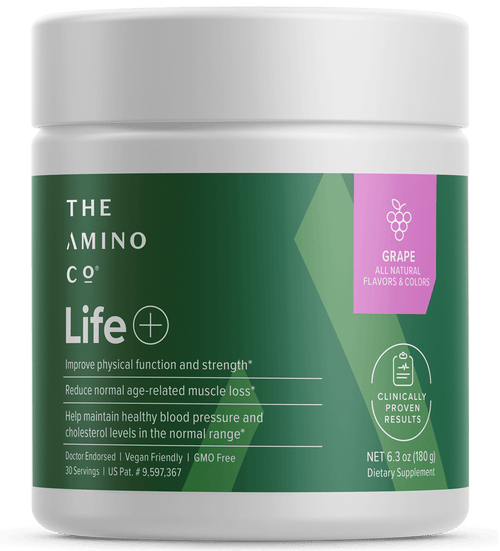
In addition, studies have shown that the amino acid arginine has the ability to relax the internal anal sphincter, reducing pressure and increasing blood flow, which may be useful in the prevention of hemorrhoids. The most effective way to increase arginine production is to take an essential amino acid supplement enriched with citrulline, such as Life, The Amino Company's active aging blend.
Additional steps you can take to help prevent hemorrhoids include:
The various tips and home remedies discussed in this article should be sufficient to treat and prevent the vast majority of hemorrhoids you’re likely to have the displeasure of contending with. However, if you’re experiencing painful hemorrhoids that aren’t responding to home treatment, don’t hesitate to speak with your health care provider about additional options.

Be the first to know about new craveable recipes and tips for living your best life.
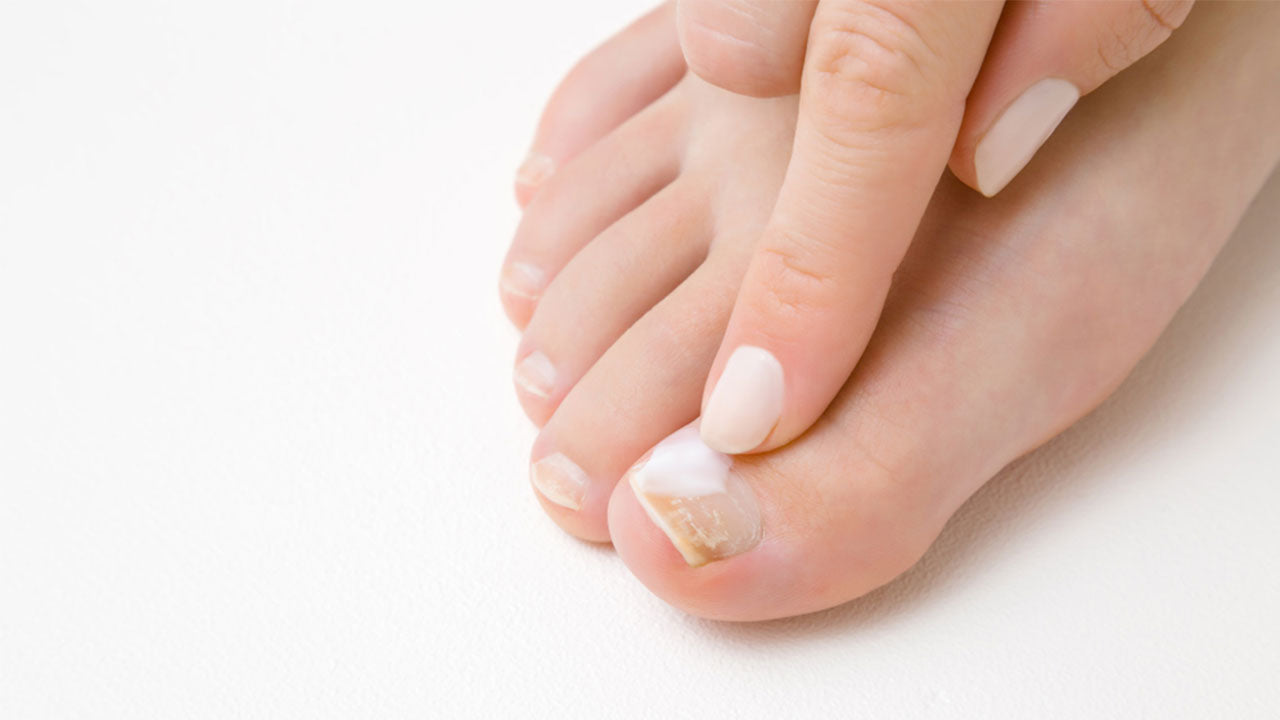
Toenail fungus is a nagging and unpleasant infection that can grow into an unsightly nuisance. Getting rid of it is more difficult than you might think. Natural remedies may be your best bet.
The CDC revealed that 10.4 million people were diagnosed with TB in 2016, and 1.7 million died from the disease. Understanding tuberculosis causes and what you can do to prevent the illness is the best way to stop TB from spreading.
Sign up for our newsletter and let us know what you’re interested in, and you’ll also receive a free E-Book.
30 years of research... and still going.

Give us a try today.
If, for any reason, you don’t like us or our products, simply contact our support team within 60 days and we’ll happily refund you 100% of your payment.
It's our way of making sure you're completely happy with your purchase.

