

 833-264-6620




Amino acids and kidney disease are inextricably linked. There is no circumstance in which the judicious use of dietary essential amino acids can provide more unique benefit than kidney disease.

Virtually all forms of cancer induce a condition called cachexia, a weakening and wasting away of the body during serious illness. The effects of cancer cachexia have become recognized as a major factor in determining the effectiveness of cancer therapy and ultimately mortality. And amino acids are an important nutritional therapy for combating it.

When it comes to aging, there’s one thing we know for sure—it happens. There are many preventative measures we can take to protect against accelerated aging and improve quality of life into our golden years. Nutritive support with anti-aging amino acids is one of the top ways to keep aging at arm’s length.
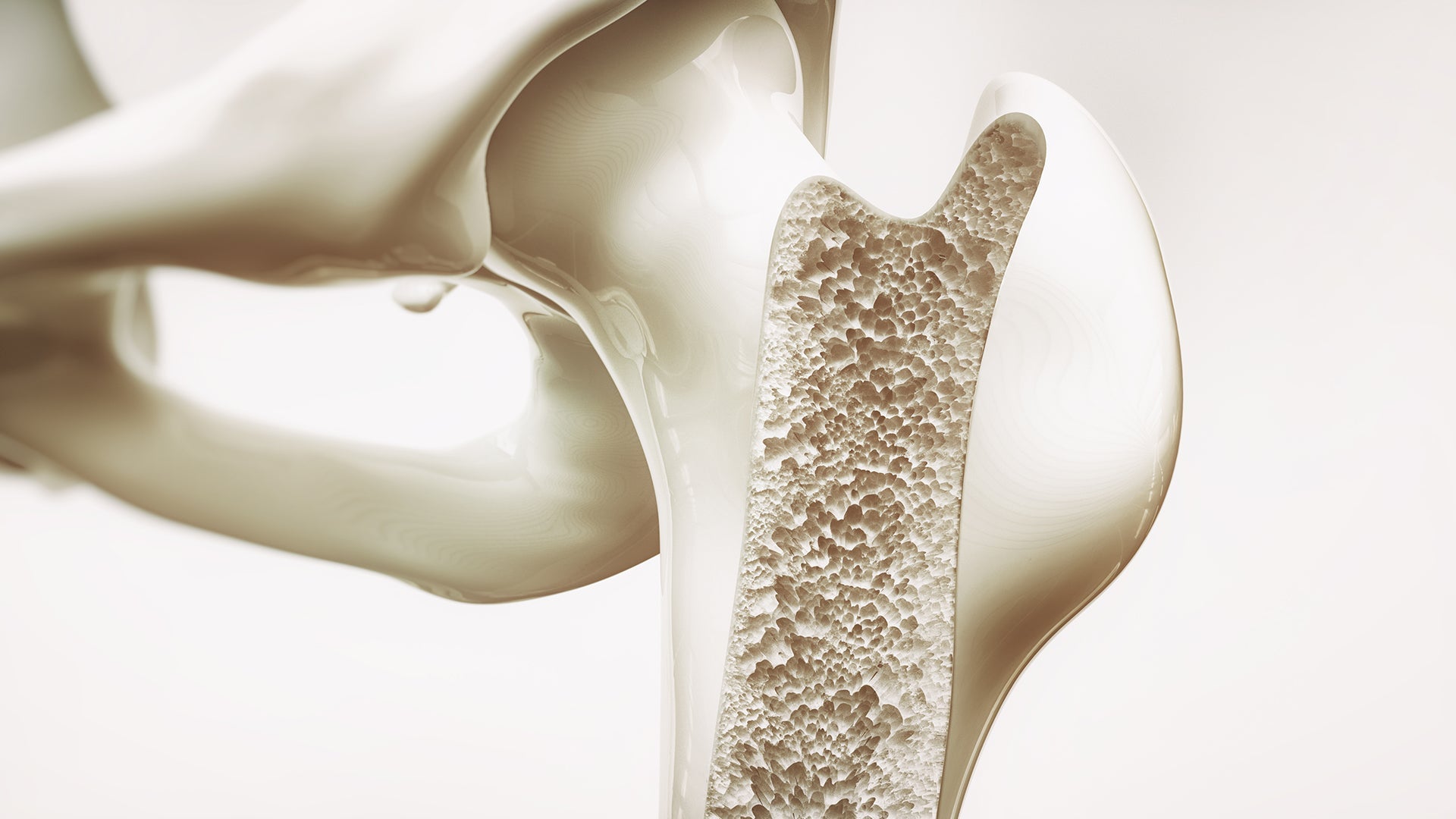
Most everyone recognizes calcium, vitamin D, and other minerals as key nutrients for bone health. What many people don’t know is that a significant part of bone in living humans is comprised of protein. Dietary protein and amino acids are as important for bone building as they are for muscle building.
The ideal daily dose of amino acids varies based on factors such as your physical size, body weight, lean body mass, activity level, and so on. Before exploring how those factors affect how many grams of amino acids you need in a day, let's review why you need amino acids to begin with.

If you’re like many other adults, you’ve spent more than one night tossing and turning with sleeplessness. Insomnia impacts energy level, mood, and health. Amino acids can be helpful in treating insomnia.

Heart failure develops when cardiac muscle becomes weakened. Loss of muscle mass and function is prominent in heart failure. In heart failure patients, conventional dietary intake has little or no beneficial effect on muscle protein. This is called anabolic resistance. A balanced mixture of essential amino acids (EAAs) can help overcome anabolic resistance.
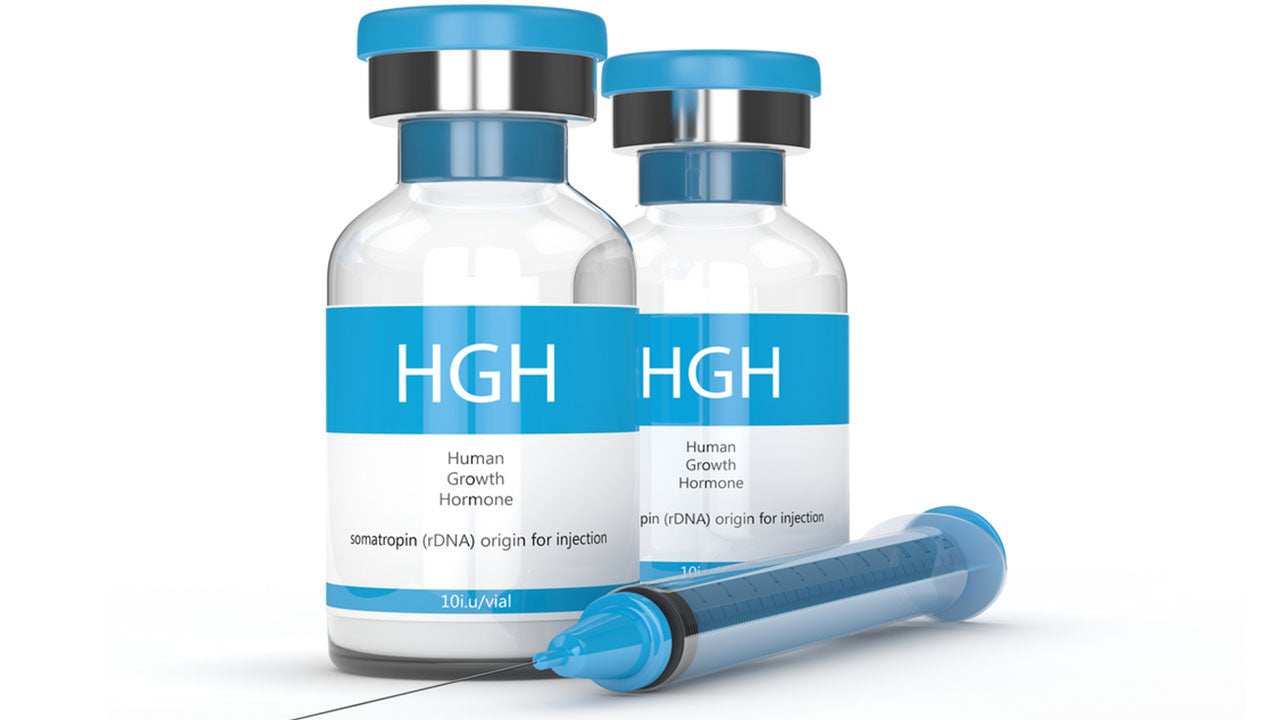
Growth hormone sparks growth, cell reproduction, and cell regeneration in humans and other animals. It has many beneficial properties, including lowering fat mass and increasing muscle mass and strength. Results in humans, however, are inconsistent. A greater understanding of amino acids and growth hormone may be the key to advancing growth hormone therapy.
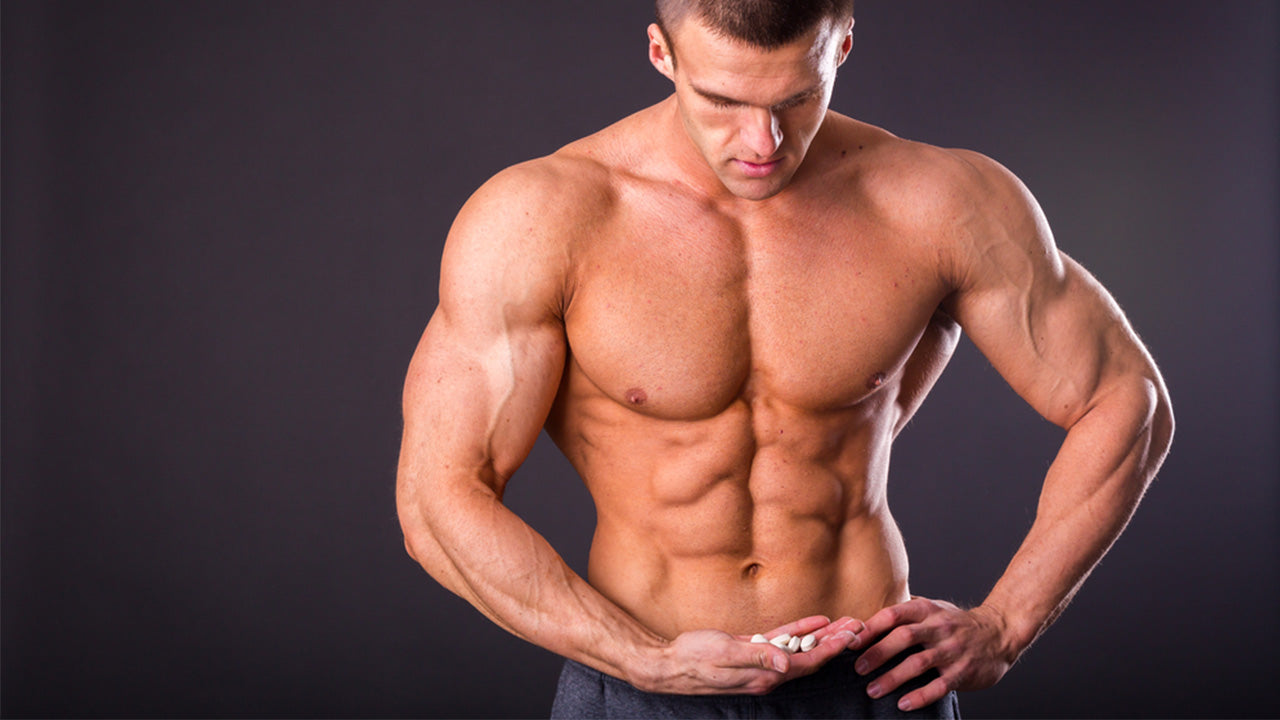
Amino acids are naturally occurring compounds that are safe for consumption, both in the foods we eat and the amino acid supplements we take. Amino acid side effects have emerged when supplements are consumed in too high of doses or in an unbalanced formulation. Learn how to supplement safely.
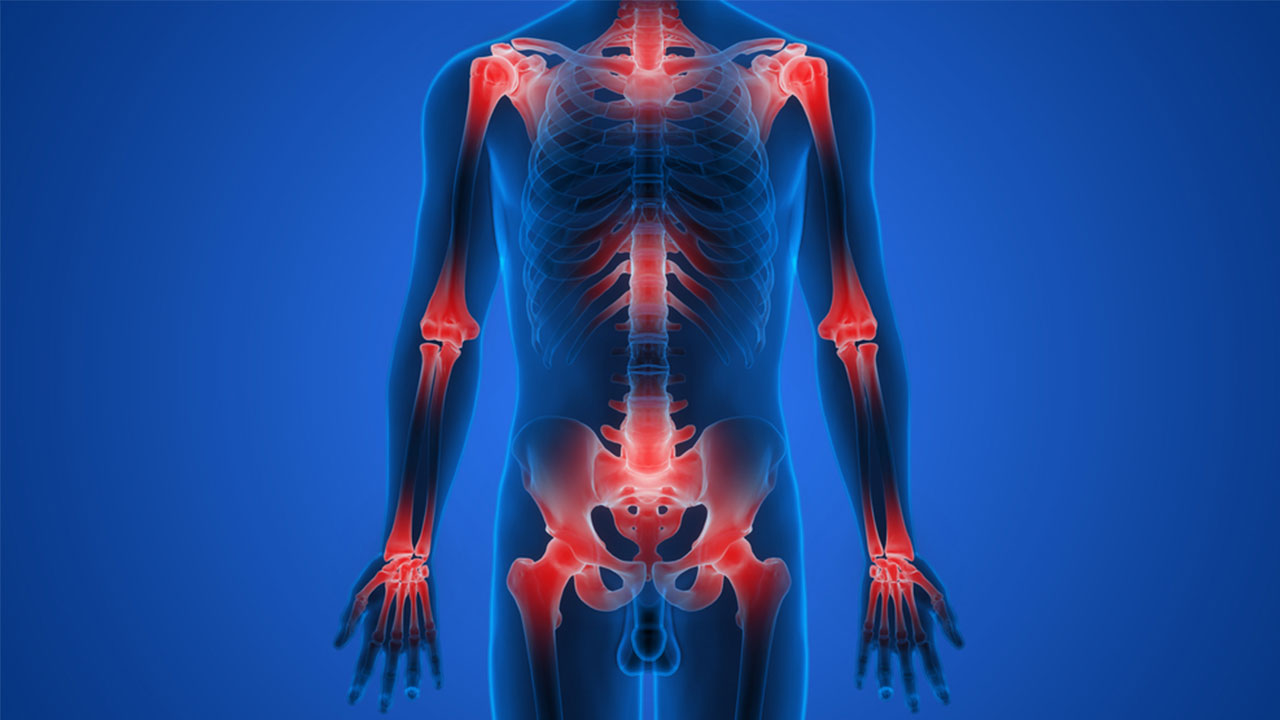
Chronic inflammation has been linked to many deadly modern diseases. One of the ways to fight inflammation is with an anti-inflammatory diet rich in amino acids. Recent studies focused on the use of amino acids for inflammation reduction have yielded highly promising results.
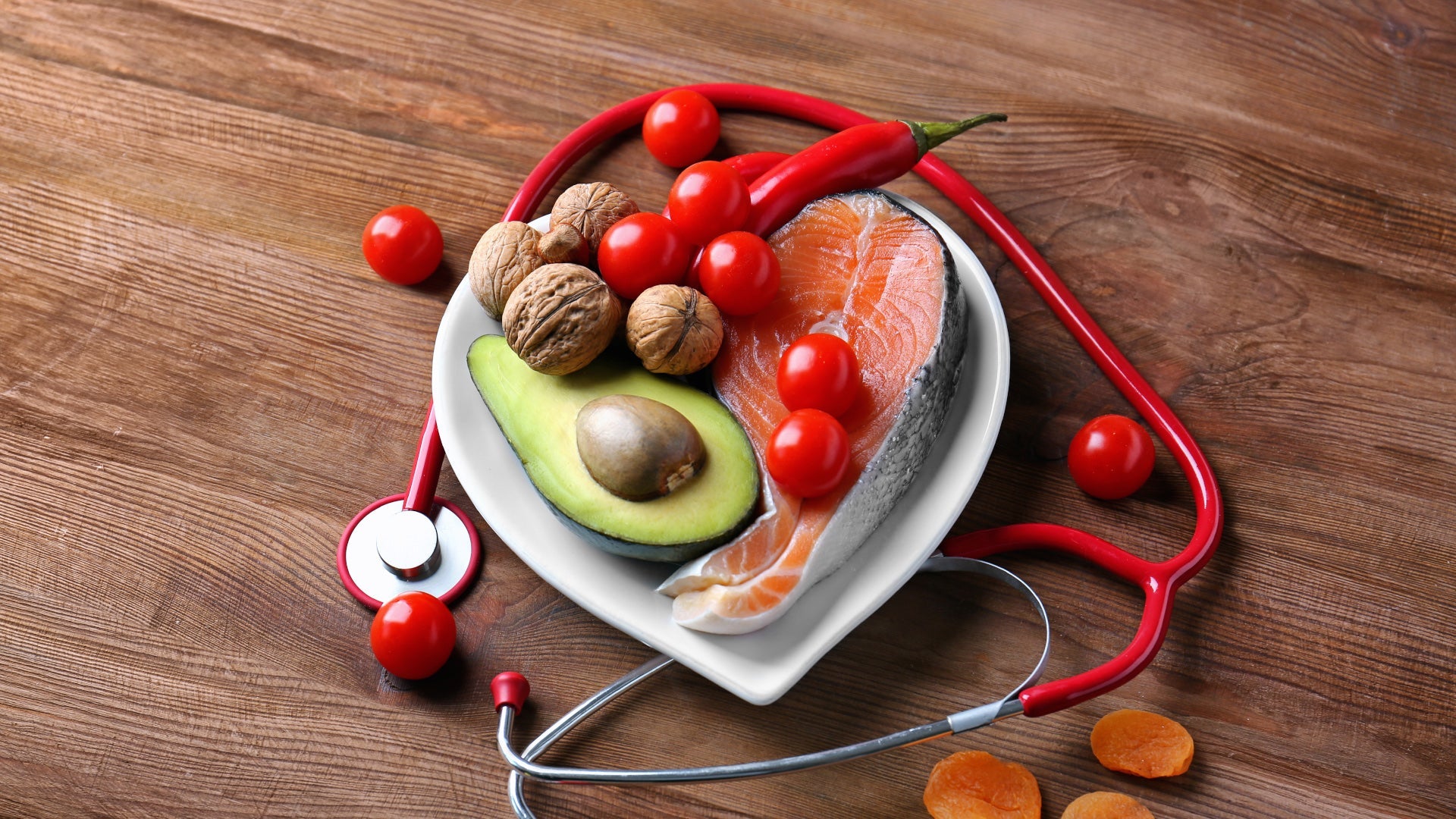
Heart failure occurs when the heart muscle is not able to handle its workload. As the condition progresses, the heart just can’t pump enough blood through to meet the body’s blood and oxygen requirements. There is some evidence that shows amino acids for heart failure may help improve heart function, exercise tolerance, and possibly quality of life.
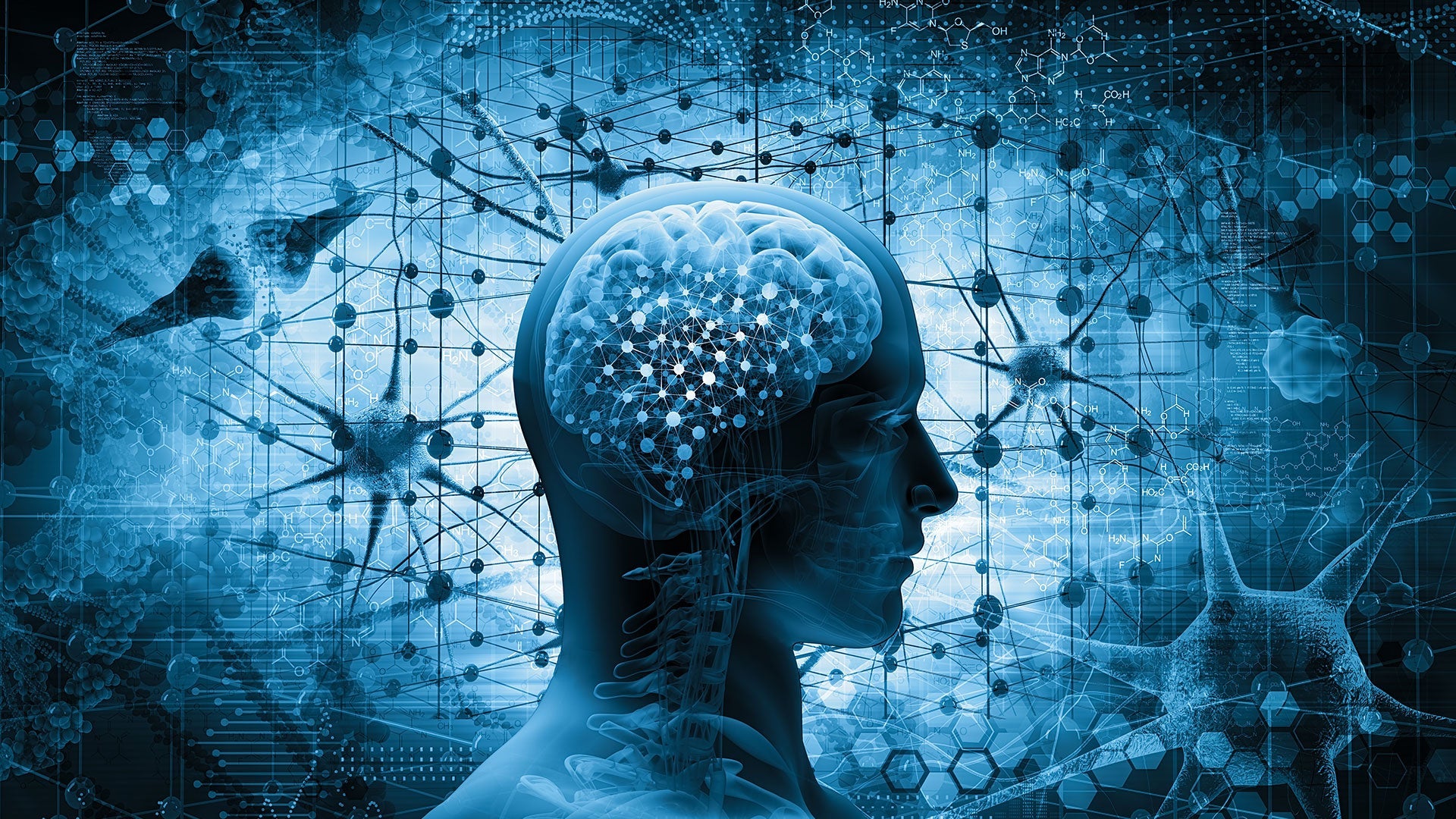
Your organs, tissues, muscles, and even some hormones are all made of protein, your body’s bricks and mortar. There are 20 amino acids that make up the protein in your body. Because your body cannot store excess amino acids, you need to be eating plenty of them every day. Read on to learn what happens when you don’t get enough amino acids.

Sign up for our newsletter and let us know what you’re interested in, and you’ll also receive a free E-Book.
30 years of research... and still going.

Give us a try today.
If, for any reason, you don’t like us or our products, simply contact our support team within 60 days and we’ll happily refund you 100% of your payment.
It's our way of making sure you're completely happy with your purchase.
