

 833-264-6620




 By: by Amino Science

Many of us have heard the warnings about eating undercooked chicken because of the fear of becoming sick with Salmonella bacteria. But another type of bacteria called Campylobacter can also make you ill if you eat poultry or meat that isn’t fully cooked. Like a Salmonella infection, Campylobacter can cause diarrhea and sometimes other serious complications. Here’s the rundown on Campylobacter infection, the causes behind it, what symptoms let you know you’re sick, and most importantly, how to treat it.
Campylobacter infection, also known as campylobacteriosis, is an infectious disease caused by the Campylobacter bacterium, most commonly the Campylobacter jejuni species. According to the Centers for Disease Control and Prevention (CDC), it is one of the most common causes of food poisoning and gastroenteritis (bacterial diarrheal illness) in the United States, with an estimated 1.3 million cases every year. However, many more cases go undiagnosed or unreported.
Campylobacter bacteria can get into your body if you eat undercooked meat, typically raw poultry, or if you eat other food that has come into contact with undercooked or raw meat. The meat many of us eat, like that of cows, pigs, and poultry, have this bacteria living in their digestive systems.
You can also become infected by drinking unpasteurized milk or raw milk. Other foods, such as fruits and vegetables can not only be cross-contaminated during food preparation, but also from coming in contact with soil that has cow, bird, or other animal feces before it ever reaches your kitchen. Animal feces can also run off of fields and surrounding areas, contaminating streams, lakes, and other bodies of water.
Campylobacter bacteria can live in our intestinal tracts without making us sick, but studies have revealed that as few as 500 Campylobacter cells can cause illness.
Isolated cases of campylobacteriosis are more common, but outbreaks can occur, especially in a community location like a nursing home or hospital. Campylobacter infection is common in the developing world, and people who travel abroad have a greater chance of becoming infected, since the bacteria is often found in water and sewage systems. About 1 in 5 Campylobacter infections reported to the Foodborne Diseases Active Surveillance Network (FoodNet) are associated with international travel.
Campylobacteriosis can strike at any age, but the less developed systems of infants and young children are more susceptible to the Campylobacter infection. Males are also more likely than females to become infected; however, pregnant women can have more serious symptoms if they do become ill. Campylobacter can spread to the bloodstream and cause a life-threatening infection, particularly in individuals with weakened immune systems due to AIDS, cancer, blood disorders, or chemotherapy treatments.
Symptoms of Campylobacter infection usually occur within 2 to 10 days after you ingest the bacteria, and last around a week. The first signs you’ve been infected include:
It’s important to note, some infected people do not experience any symptoms, as their bodies are able to either fight the bacteria or it is a mild enough case to not alarm the person carrying it.
If you are experiencing symptoms related to food poisoning and seek medical attention, your doctor will most likely give you a physical exam, discuss your condition, and possibly order tests. Diagnosis of Campylobacter infection is often confirmed with laboratory tests that detect the bacteria in stool samples, body tissue, or fluids. The test either isolates the bacteria through a culture or the bacteria’s genetic material is quickly detected in a diagnostic test.
Most people with Campylobacter infection recover within a week without medication or medical intervention. To facilitate healing, implement the following strategies.
If you do have a weakened immune system or are very ill, antibiotics may be needed to get the infection under control. Erythromycin and azithromycin are usually prescribed to help clear bacteria from stool quicker.
If you begin to show signs of dehydration, like dark urine, dry mouth and skin, and dizziness, or have continual bloody diarrhea, it’s best to see a health care provider. If you begin having severe abdominal pain or pain in your rectum and spike a fever above 102°, seek medical attention immediately.
Complications of the Campylobacter bacteria include urinary tract infections, reactive arthritis, meningitis, and a rare type of paralysis called Guillain-Barre syndrome.
About 1 in every 1,000 reported Campylobacter cases develops into Guillain-Barré syndrome (GBS). If your immune system is kicked into gear by a previous infection, GBS can cause muscle weakness and paralysis that lasts for several weeks, and in some cases, for many years. Most people with GBS have a full recovery, but there are incidents of permanent nerve damage or cases that require extensive medical care.
While most people with a Campylobacter infection recover completely in less than a week, some illnesses can be fatal, resulting in an estimated 124 deaths each year.
Campylobacter prevention is the most important step. Always cook meat to a safe minimum temperature of 165 °F. Keep raw meat separate from other food and wash your hands thoroughly after handling it. If you’re concerned about Campylobacter infection, it is best to avoid drinking raw or unpasteurized milk.
Here are some other important prevention and food safety tips:
If your child becomes sick with campylobacteriosis, keep them home from daycare or school until he or she is clear from diarrhea for 24 hours. Children and adults with Campylobacter infection should not swim until they have been free of symptoms for at least an entire day.
Reporting the problem is another way to control this bacterial infection and prevent others from becoming exposed to the source of contamination. If you experience symptoms of campylobacteriosis, be sure to contact your physician, even if you do not need to go in for treatment. Physicians who diagnose campylobacteriosis and clinical laboratories that identify this organism typically report their findings to the local health department.

Be the first to know about new craveable recipes and tips for living your best life.
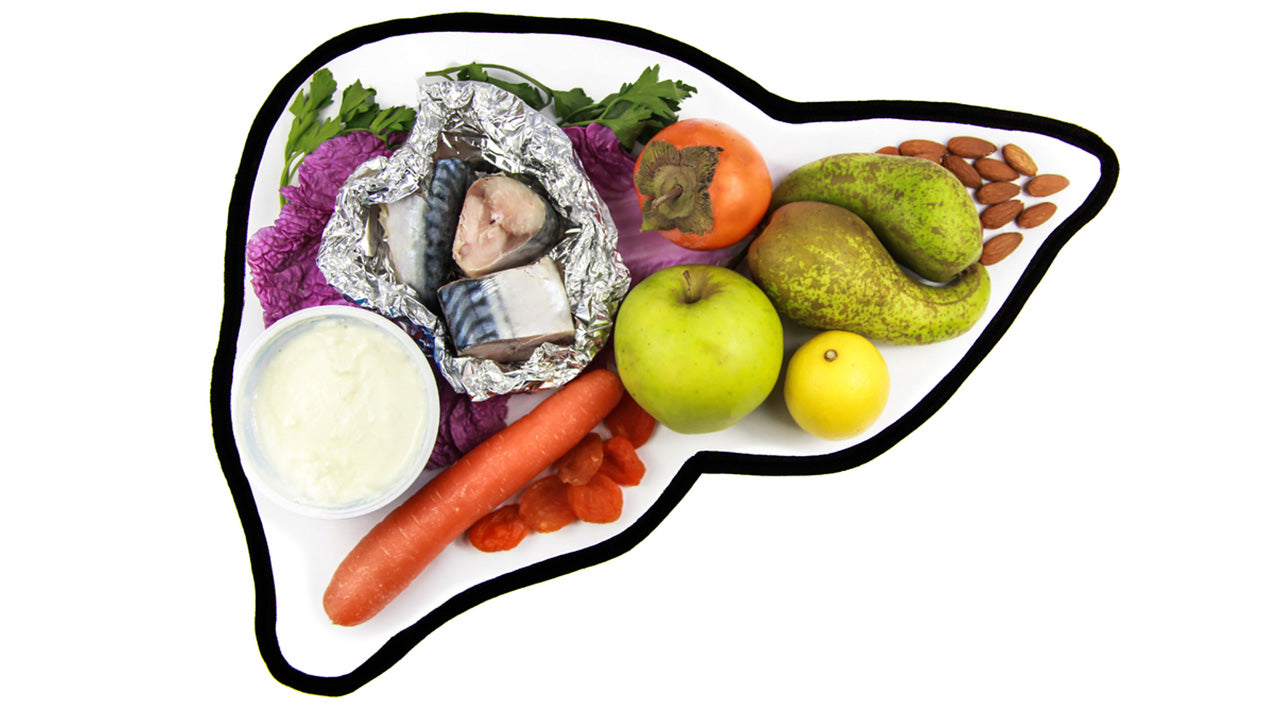
Will a liver flush or cleanse actually work? Find out what damages your liver, and which supplements and foods can actually help prevent liver disease.
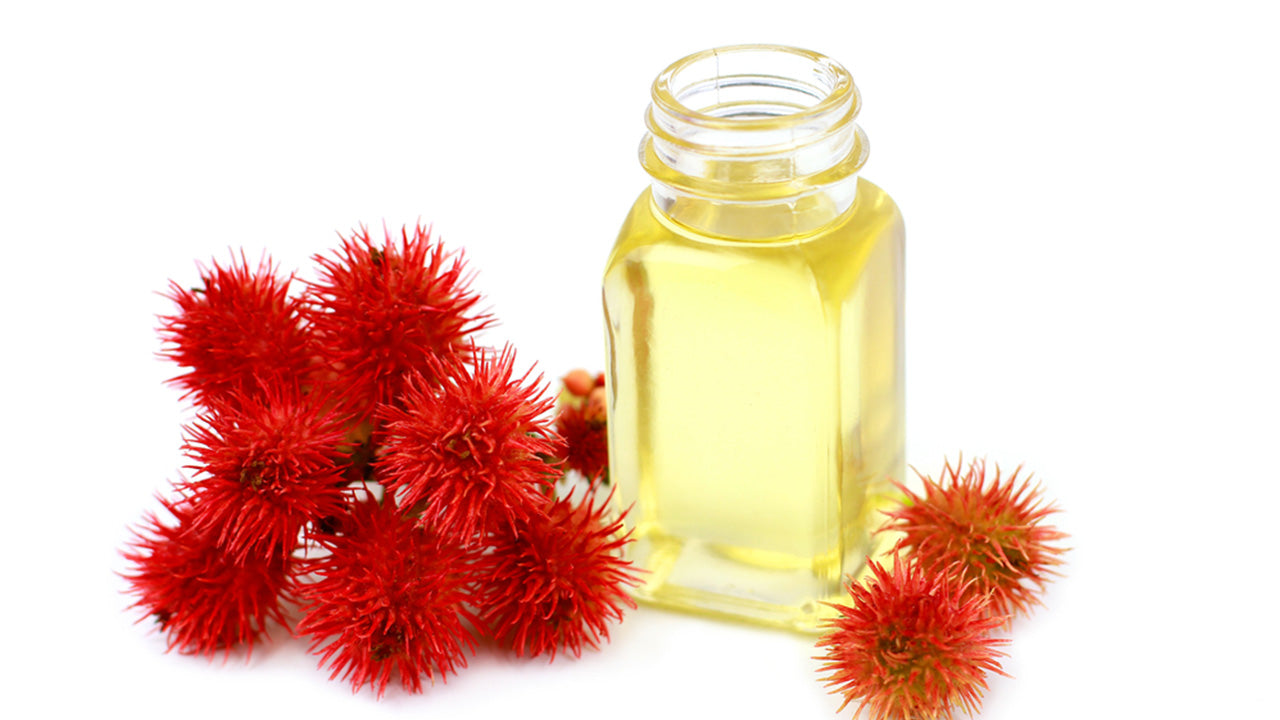
Castor oil has a rich history not only in the United States where grandmothers tout its health benefits but also across the world where it has been used for thousands of years. Discover its benefits and uses.
Sign up for our newsletter and let us know what you’re interested in, and you’ll also receive a free E-Book.
30 years of research... and still going.

Give us a try today.
If, for any reason, you don’t like us or our products, simply contact our support team within 60 days and we’ll happily refund you 100% of your payment.
It's our way of making sure you're completely happy with your purchase.

