

 833-264-6620






 By: by Amino Science
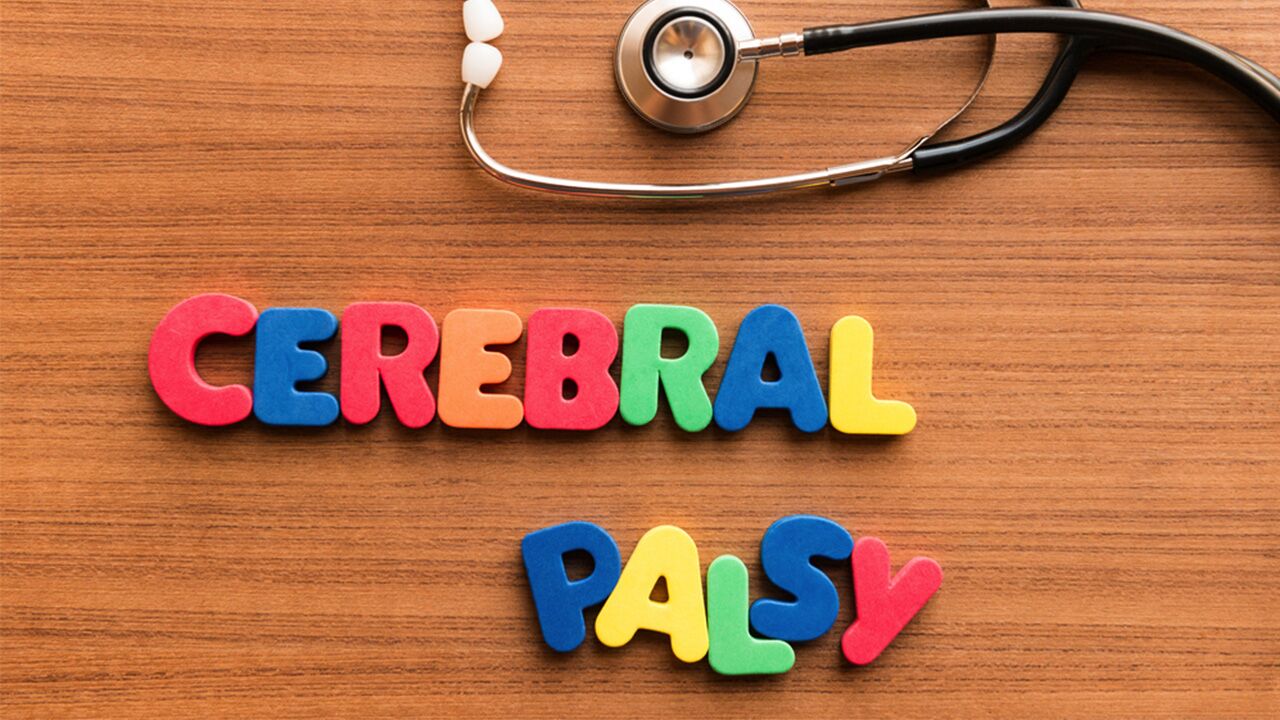
Most people probably recognize the word cerebral as having to do with the brain. The word palsy, on the other hand, might be a little fuzzy for some. Palsy is a health condition in which muscles are weak or a person has difficulty using their muscles. Cerebral palsy (CP) is a condition in which a baby’s brain did not develop correctly or a baby suffered an injury to the brain which has caused developmental damage. Whether a baby’s brain is underdeveloped or damaged due to injury, cerebral palsy means the baby or child has difficulty with motor skills, which includes controlling his or her muscles.
Cerebral palsy is the leading cause of disability in children and the most common type of motor disability in children. The Centers for Disease Control and Prevention (CDC) estimates that an average of 1 in 323 children in the United States has cerebral palsy.
We’re here to answer some common questions about cerebral palsy including:
We’ll also provide a list of cerebral palsy risk factors that you can use to start a conversation about cerebral palsy with your doctor or pediatrician.
A baby’s brain begins developing in the womb but isn’t fully developed at birth. Sometimes the cause of cerebral palsy is that a baby’s developing brain doesn't fully mature. Another common cause of CP is brain damage while the brain is still developing. It can be difficult for doctors to determine exactly when an injury occurred in a cerebral palsy patient since the damage could have been sustained at any point before, during, or after the birthing process. Furthermore, symptoms of cerebral palsy don’t usually begin appearing until months or even years after a child is born. The Cerebral Palsy Group notes the following statistics when it comes to cerebral palsy patients:
The risk of cerebral palsy is greatest during fetal development and the birthing process when complications such as birth asphyxia, or lack of oxygen, can occur and harm the baby's developing brain. Other risk factors include:
Cerebral palsy is not a progressive disease, meaning symptoms do not worsen over time. Symptoms appear at varying ages. Patients may exhibit developmental disabilities as early as a few months old or may not show any signs of cerebral palsy until age 4 or 5. The CDC outlines the following early signs of cerebral palsy by age group. The CDC also notes that babies or children may exhibit some of the following symptoms of cerebral palsy without actually having the disorder.
Younger than 6 months:
Older than 6 months:
Older than 10 months:
There are varying types of CP, each kind depending upon which part of the brain has been affected by injury or underdevelopment. This group of disorders doesn't just affect coordination and gross motor skills, but some cases of cerebral palsy can also impair hearing, vision, and sensation.
The CDC lists the following types of cerebral palsy.
Spastic cerebral palsy is the most common type of cerebral palsy, affecting approximately 80% of patients. Those with spastic cerebral palsy experience stiff muscles and unusually increased muscle tone (spasticity), which in turn make the patient’s movements awkward. The whole body or just one side of the body may manifest symptoms. Muscles that may be affected by spastic cerebral palsy include:
Spastic quadriplegia is a type of spastic CP that disrupts the function of the upper and lower limbs and body, which can make walking impossible. Patients with spastic quadriplegia may be prone to chronic seizures, have difficulty hearing and speaking, and have associated learning disabilities.
Not as overpowering as spastic quadriplegia, spastic diplegia only influences the lower half of the body and typically doesn't prevent walking. Spastic diplegia can also be marked by balance and coordination trouble, fatigue, and seizures.
Spastic hemiplegia is another form of CP that affects only one side of the body. Most children are able to adapt to the condition and walk.
Patients with dyskinetic cerebral palsy experience difficulty sitting and walking due to issues with muscle control and movement. Those with dyskinetic cerebral palsy (also known as dystonic and athetoid) have trouble moving their hands, arms, feet, and legs, making their movements either slow or fast. Dyskinetic cerebral palsy affects other parts of the body such as the face and tongue, which can result in problems with swallowing and talking.
Ataxic cerebral palsy affects balance and coordination. Those with ataxic CP often have difficulty with tasks such as walking, quick movements, controlling their hands or arms, and anything requiring a lot of control, like writing, tying shoes, or buttoning buttons.
Some cerebral palsy patients have a mix of symptoms and can’t be placed under any one type of the disorder. Spastic-dyskinetic is the most common type of mixed cerebral palsy.
If a child is showing signs of cerebral palsy, the first visit is usually to the pediatrician. The doctor will examine the baby or child and assess his or her symptoms. If the physician suspects cerebral palsy, he or she will often refer the patient to a pediatric neurologist. Between the pediatrician and the neurologist, several tests will be run to check for cerebral palsy as well as to rule out other possible conditions. Common tests used to diagnose cerebral palsy include:
Children with cerebral palsy will experience developmental delays but not necessarily a shortened life expectancy. A child's life expectancy will vary by patient and will depend upon the type and severity of symptoms.
There are treatments available for both children and adults with cerebral palsy. Some patients find help with medications, particularly medications to relieve muscle tightness and treat pain. These medications offer some patients increased mobility and motor function.
In addition to medications, the Mayo Clinic highlights the following areas that cerebral palsy patients and their parents may find helpful in managing their condition.
If your child begins exhibiting any of the signs listed above, especially if he or she has any of the risk factors mentioned above, it is best to get him or her to a physician for an evaluation.
It’s important to note that not all babies or children exhibiting some symptoms of cerebral palsy actually have the disorder. Also, just because your child has sustained a head injury does not mean he or she will develop the disorder.
If you are unsure whether your child’s development is occurring at a healthy pace, talk with your pediatrician. It’s the only way to put your mind at ease and ensure your baby’s health. If your child does have cerebral palsy, then speak to your pediatrician about putting together a plan of care and coordinating a team of medical professionals to help you and your child learn the best way to manage symptoms and improve quality of life.


Be the first to know about new craveable recipes and tips for living your best life.

Heart failure is a chronic condition in which the heart muscle cannot pump enough blood to meet the body's needs. Heart disease kills about 610,000 people in the United States every year. Signs of early heart disease include fatigue and shortness of breath—everyday activities can become challenging. Learn how to spot the signs.
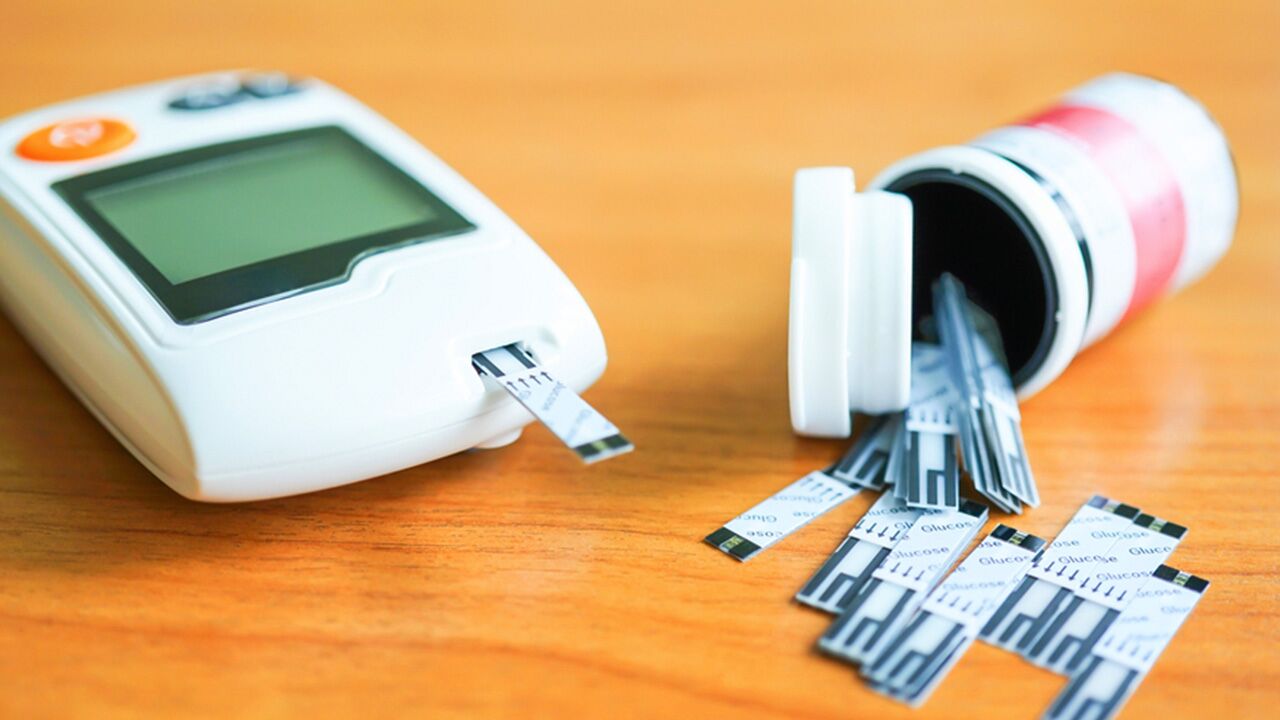
Take action to prevent your risk of developing type 2 diabetes if you or your medical practitioner notice any of these 8 insulin resistance symptoms.
Sign up for our newsletter and let us know what you’re interested in, and you’ll also receive a free E-Book.
30 years of research... and still going.

Give us a try today.
If, for any reason, you don’t like us or our products, simply contact our support team within 60 days and we’ll happily refund you 100% of your payment.
It's our way of making sure you're completely happy with your purchase.

