

 833-264-6620




 By: by Amino Science

What is Cushing’s syndrome? Cushing’s syndrome, also known as hypercortisolism, describes distinct symptoms exhibited in individuals who suffer prolonged exposure to the hormone cortisol. The condition is very rare, as it only affects 10 to 15 per 1 million people each year.
Medical professionals are strongly encouraged to maintain a high degree of suspicion when attempting to diagnose persons exhibiting Cushing’s syndrome symptoms. Cushing’s syndrome is potentially lethal, especially when its symptoms are mild. The continual exposure of the body’s tissues to abnormally high levels of cortisol can lead to very serious complications in the short as well as long term.
Your body produces the steroid hormone cortisol within the adrenal gland as a natural response to stress and low blood glucose levels. Cortisol increases blood sugar levels, suppresses the immune system, limits bone formation, inhibits calcium absorption in the intestine, regulates blood pressure and the body’s response to insulin, and helps the body extract energy from carbohydrates, fats, and proteins.
Most people are prone to produce higher cortisol levels than normal at certain times in their lives. Common causes for sharp, but relatively brief, spikes of cortisol in the body include:
Certainly, you should be mindful of the impact that high cortisol levels may have on your health during these types of momentary life events. The presence of excess cortisol in the body for extended periods of time, however, drastically skews normal metabolic functionality. In documented cases of Cushing's syndrome, even after hypercortisolism seemed to have been addressed medically, patients continued to experience mental and/or metabolic imbalances.
Here are biological causes for Cushing’s syndrome:
Anyone who experiences Cushing’s syndrome causes can develop the disorder. PDCD, or Cushing’s disease, affects women 5 times more than men, while men are 3 times more likely than women to develop the ectopic ACTH form of Cushing’s syndrome. Adults between 20 and 50 years old are more likely to develop Cushing’s syndrome than are other age groups.
The body responds to high levels of cortisol by exhibiting one or more of the following symptoms:
Although rare, Cushing’s syndrome can manifest as poor growth and weight gain in children, especially with ACTH-independent forms of the disorder.
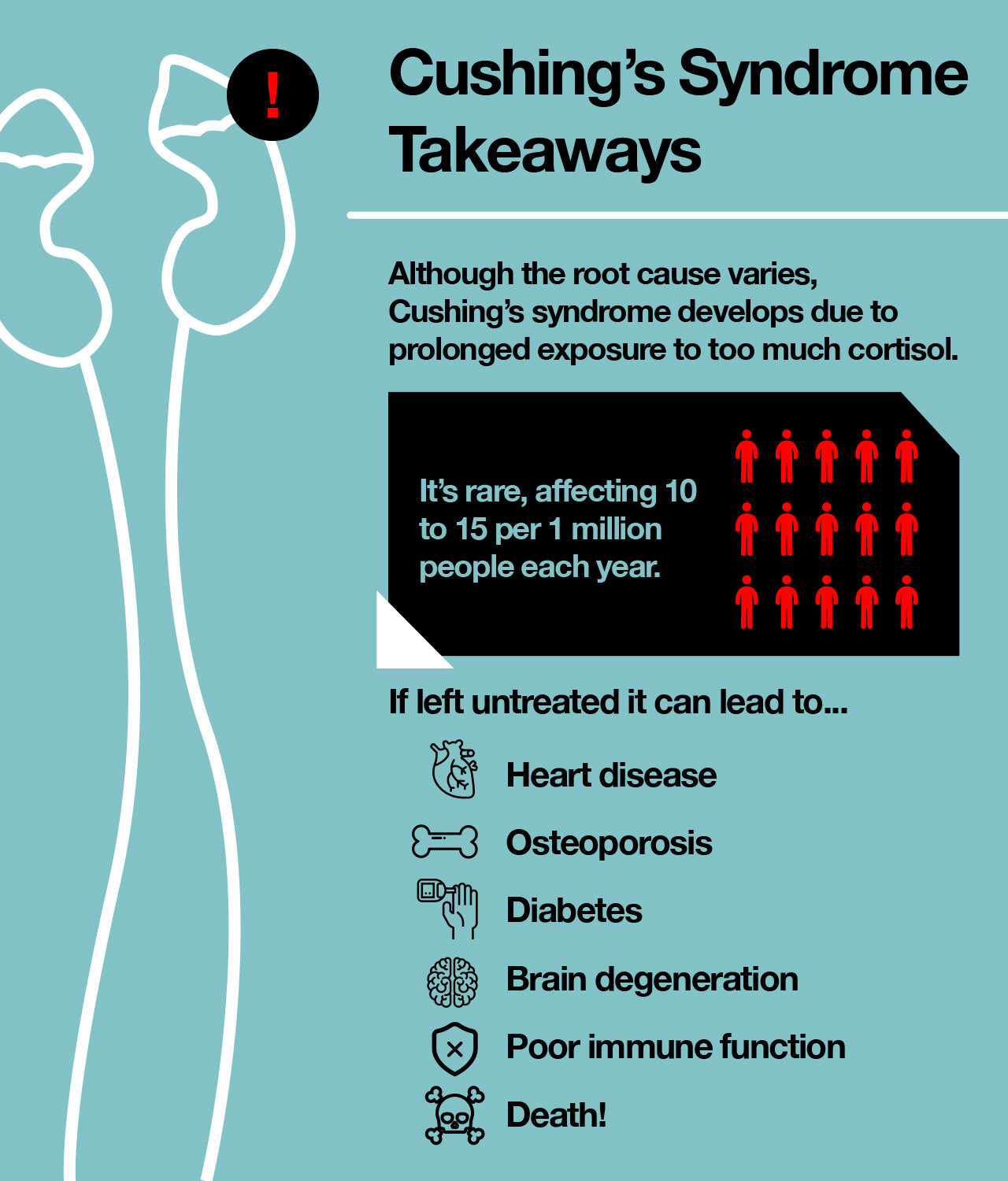
Untreated Cushing’s syndrome can lead to serious complications, including:
It is very important to diagnose Cushing’s syndrome early on, as the condition tends to progress and the risk for mortality increases, especially from cardiovascular issues and insidious infections. Patients can expect to live a normal lifespan with adequate treatment. If you experience Cushing’s syndrome symptoms, seek prompt medical attention.
Your doctor will review your medical history and symptoms, and administer a physical examination—including digital medical imaging. Laboratory tests include cortisol tests without urine samples, measuring plasma cortisol levels, measuring salivary cortisol levels, and the dexamethasone suppression test.
Treating Cushing’s syndrome usually involves addressing the cause of excess production of cortisol. If you are using corticosteroids that may trigger Cushing’s syndrome symptoms, it is important that you seek medical counsel before altering your dosage. Surgically removing tumors or entire gland tissues (e.g., adrenalectomy, transsphenoidal pituitary adenectomy) is also a common remedy. Sometimes the adrenal glands are removed when a tumor cannot be detected in order to halt excess cortisol production. Chemotherapy or radiation therapy is another invasive remedy. Other treatment options include prescribed medications to suppress the effects of cortisol on your body, with or without the need for more invasive methods, although they carry the risk of side effects. Some medications can substantially limit cortisol or ACTH production.
High cortisol levels can impair the body’s response to the muscle-building effects of essential amino acids from dietary protein. Supplementing with 15 grams of essential amino acids, however, has been proven to activate muscle protein synthesis and protect against muscle loss when cortisol levels are elevated.
In patients with Cushing’s disease or PDCD, researchers have suggested that normalizing levels of sulfur amino acids (SAAs) is a key component to long-term remission while decreasing cardiovascular risk. When undergoing Cushing’s syndrome treatment, it is important to adhere to your particular treatment plan. The effects of treatment may appear slow at first, as your hormone levels stabilize and your body re-establishes more balanced metabolic functions.
Be the first to know about new craveable recipes and tips for living your best life.

The thyroid produces thyroid hormones called thyroxine (T4) and triiodothyronine (T3). Sometimes the information in the body gets relayed incorrectly, causing the thyroid to overproduce, resulting in a condition called hyperthyroidism. Hyperthyroidism can cause serious health risks if left untreated.
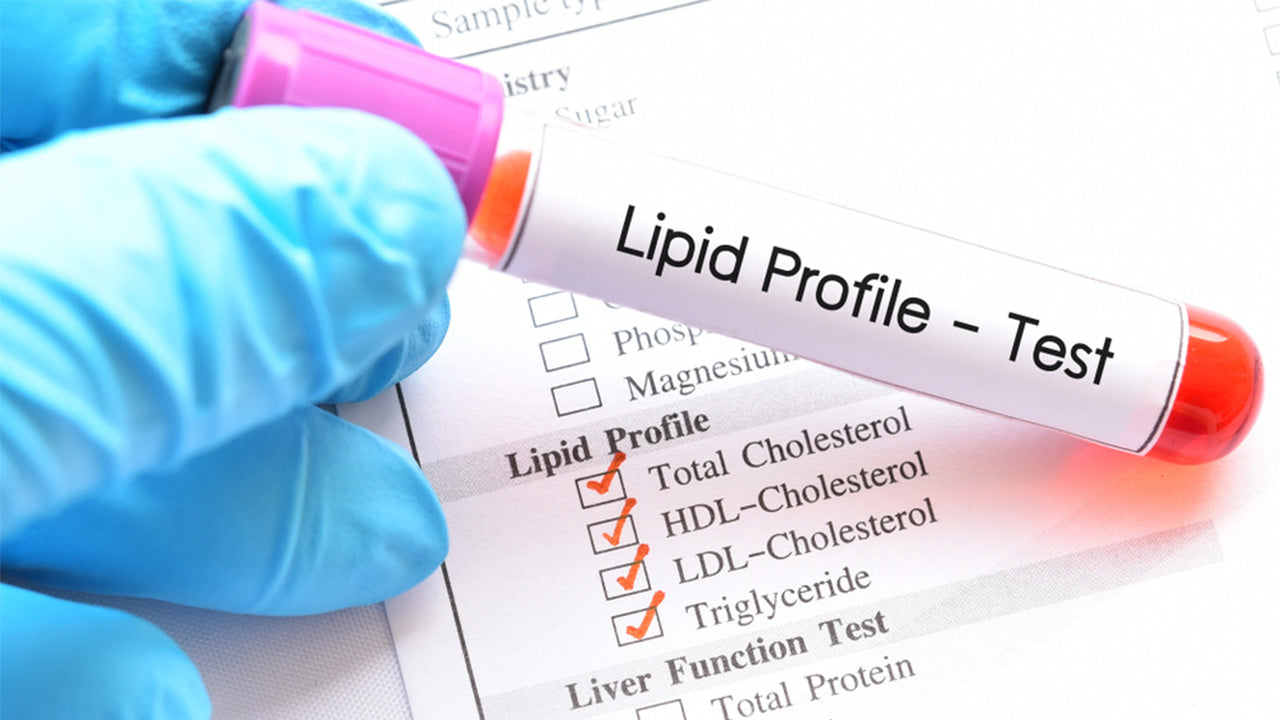
Hyperlipidemia (high cholesterol) can stem from genetic causes, but the majority of the time, it results from lifestyle choices and environmental factors. Lifestyle changes involving diet and physical activity form part of any successful hyperlipidemia treatment plan, and the use of proven supplements can be a highly effective complementary treatment.
Sign up for our newsletter and let us know what you’re interested in, and you’ll also receive a free E-Book.
30 years of research... and still going.

Give us a try today.
If, for any reason, you don’t like us or our products, simply contact our support team within 60 days and we’ll happily refund you 100% of your payment.
It's our way of making sure you're completely happy with your purchase.

