

 833-264-6620




 By: by Amino Science
Have you heard the buzz about diatomaceous earth and its health benefits and wonder if they are correct, or just hype? If so, keep reading!
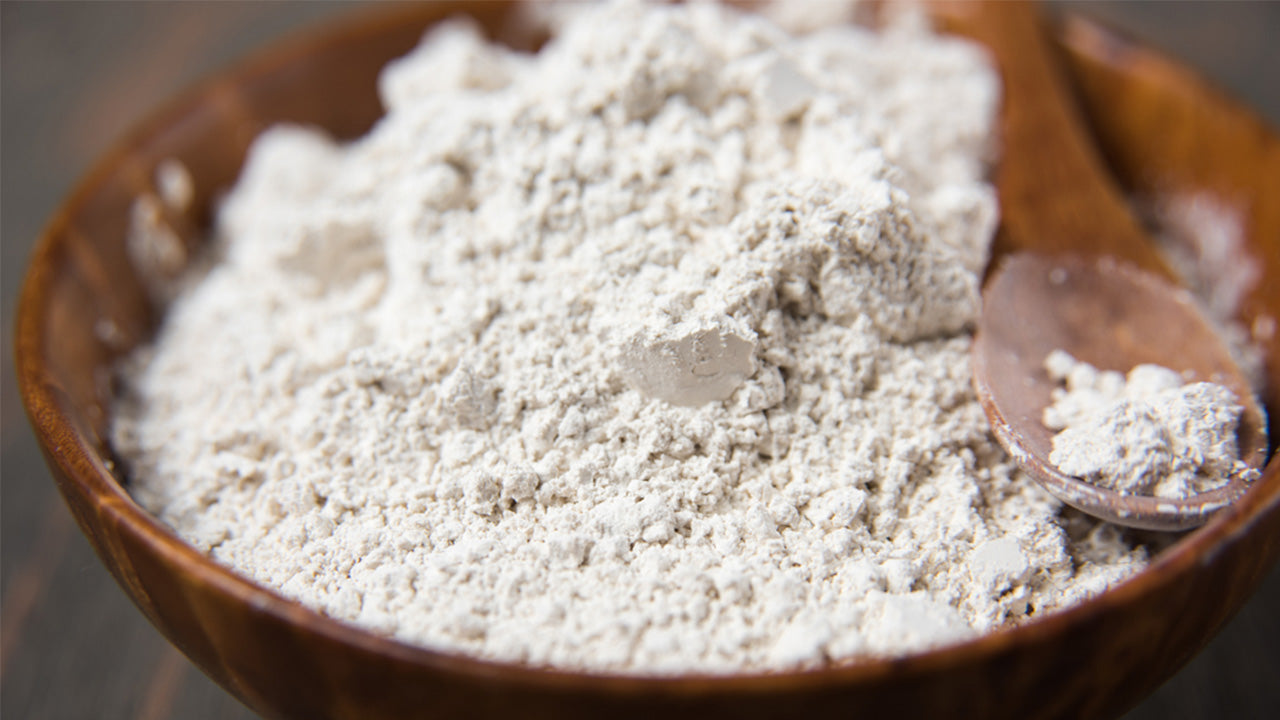
Diatomaceous earth is a common mineral found around the globe. It develops over thousands of years as organic materials like algae decompose.
Diatomaceous earth is rich in silica, making it an excellent natural detoxifying agent. Non-food grade diatomaceous earth is commonly used in commercial pesticides, rodent killers, and in the production of rubber.
Diatomaceous earth food grade quality is slightly abrasive and effectively absorbs a variety of liquids easily. It has been used for decades in a variety of commercial applications including as a food additive and supplement additive. And now this common mineral is proving to provide significant health benefits. It’s a choice detoxifying agent and may just help to prevent bone loss.
Diatomaceous earth is a mineral also known as diatomite or Kieselguhr. There are deposits of this mineral across the globe. It is created when unicellular algae decompose and then become compressed over thousands of years. Diatomaceous earth is an excellent source of silica and has higher concentrations of this mineral than many foods considered high in silica.
Silica can be found in some of the healthiest foods on earth, including artichokes, asparagus, leafy greens, dandelions, cucumbers, and many types of melons. Silica-rich herbs include rose hips, oat straw, horsetail, and nettle leaf. However, none of these foods or herbs contain as much silica as diatomaceous earth does. In fact, some brands of food-grade diatomaceous earth are nearly 90% silica.
The ancient Greeks and ancient Egyptians used diatomaceous earth in construction, using it to create beautiful and robust bricks and blocks. Today, it is used in water filters and pool filters, in the production of wine and beer, and in cosmetics to make them easier to apply. Diatomaceous earth food grade products are also widely used in agriculture; supplements are given to animals to control fleas, ticks, worms, and parasites.
If you are wondering just how diatomaceous earth works, you aren’t alone. This mineral’s crystals have a large surface area, and diatomaceous earth is highly absorbent. It has a similar texture to talc, but it is a much more stable material that doesn’t degrade over time, or when exposed to sunlight or certain liquids. But how diatomaceous earth works depends on its application.
When used in filtering applications for water, beer, wine, or oils, diatomaceous earth removes unwanted residue. Specific applications use coarse diatomaceous earth while other filtering systems use a finer grind to remove more impurities. Today, diatomaceous earth is even being used to absorb manufacturing chemicals, bacteria, and protozoa from polluted wastewater.
In pesticides and pest control products, diatomaceous earth’s crystal-like exterior cuts through the “skin” of insects and then absorbs all of their moisture. As we become more aware of the toxicity and danger of many chemical pesticides to the environment, humans, and pets, diatomaceous earth shows promise, as it poses no risk to humans.

While there is very little medical research specifically on diatomaceous earth food grade products, there is substantial evidence that supports silica’s extraordinary health benefits.
Diatomaceous earth is a natural detoxifying agent. In fact, silica works similar to many antioxidants by fighting free radical damage.
According to a study published in the American Journal of Clinical Nutrition, silica reduces aluminum absorption in the gut and may help remove heavy metals from the body. The researchers from the Gastrointestinal Laboratory at St. Thomas’ Hospital in London indicate this shows that silica has the potential to fight aluminum toxicity and they urge further study.
Researchers from the Gastrointestinal Laboratory at St. Thomas’ Hospital have also found that silicon is beneficial to connective tissue and may prevent osteoporosis. In a study published in the Journal of Nutrition Health and Aging researchers note that most western diets include between 20 milligrams and 50 milligrams a day of silicon, more than twice the average intake of iron or zinc. The author of the study supports that silicon offers an essential biological role in human health, much like animal health, and that supplementation may improve bone and connective tissue diseases.
Generations of farmers and ranchers have used food-grade diatomaceous earth as a parasite cleanse for their animals, swearing that it works quickly, without side effects. And now, researchers from the Avian Research Centre at the University of British Columbia back up their claims. In an animal study published in the Oxford Journal of Poultry Science, researchers found that diatomaceous earth effectively reduces parasites in animal models.
Researchers from the Institute of Medical Chemistry and Biochemistry at the University of Innsbruck have found that diatomaceous earth lowers blood cholesterol levels. In the study published in the European Journal of Medical Research, the authors note that participants experienced a “significant reduction of serum cholesterol” in just 6 weeks. This included LDL and total triglycerides, and even after supplementation of diatomaceous earth ceased, cholesterol levels remained low and HDL cholesterol continued to improve. The researchers stress that placebo-controlled studies are necessary to explore the full potential of diatomaceous earth health benefits and to confirm their findings.
A note on emerging diatomaceous earth research: A study from researchers in Croatia notes that ortho-silica acid has the potential to be a prominent therapy for osteoporosis, Alzheimer’s disease, tumor growth, and certain immunodeficiencies. This study, published in the journal Nutrition & Metabolism, points specifically to aluminum as a neurotoxin that can accelerate oxidative damage that leads to Alzheimer’s disease and Parkinson’s disease and that by prohibiting the absorption of aluminum, it may help prevent these neurological diseases.
If you want to start taking diatomaceous earth, it is vital that you start slowly and work your way up to the recommended dose. Adding too much, too quickly, can cause digestive distress. Here are best practices for taking diatomaceous earth as a supplement.
Diatomaceous earth food grade products have a rough, gritty, and chalky texture. That’s because diatomaceous earth doesn’t dissolve in water and it is not pleasing to the palate. It is best to disguise the texture and the taste by adding it to fresh juice or to your favorite smoothie recipe. Start with small doses, and work your way up to a maximum of 2 teaspoons a day.
Put all the ingredients into the canister of your blender and process until smooth and creamy.
As mentioned above, diatomaceous earth is used in a variety of commercial applications. It is used as a:
And in:
Additionally, diatomaceous earth can be used safely in the home. However, it is best always to use diatomaceous earth food grade products.
When you first start taking food-grade diatomaceous earth, mild flu-like symptoms may occur as your body is releasing stored toxins.
It is imperative that you avoid inhaling diatomaceous earth powder, as some studies indicate that diatomaceous earth industry workers continuously exposed face a risk of mortality from lung cancer.
We get it. You can get the same benefits, like protection against bone loss, osteoporosis, and lower cholesterol from great-tasting, low-calorie essential amino acid supplements. A scoop of powder in your favorite beverage can lower LDL and triglyceride levels and boost muscle growth and bone strength. It's the stuff of protein, not earth.
Learn more about Amino Co's essential amino acid supplements here.
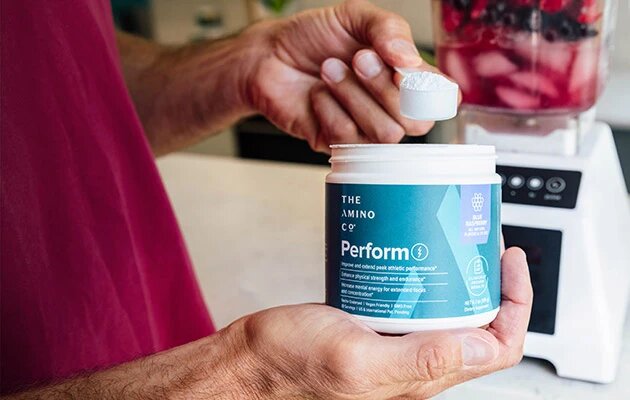
Be the first to know about new craveable recipes and tips for living your best life.
Sudden toothaches can be very painful and may include sharp or throbbing tooth pain, inflammation around the tooth or gum line, red, irritated gums, or generalized mouth pain. Until you can get in to see a doctor, follow these tricks to know what to do and which homemade remedies for toothaches can relieve some of the nagging pain.

Astigmatism is not an eye disease or eye health problem; it's simply a problem with how the eye focuses light. We’ll clear up what may be behind your blurry vision and share 10 facts you need know about astigmatism.
Sign up for our newsletter and let us know what you’re interested in, and you’ll also receive a free E-Book.
30 years of research... and still going.

Give us a try today.
If, for any reason, you don’t like us or our products, simply contact our support team within 60 days and we’ll happily refund you 100% of your payment.
It's our way of making sure you're completely happy with your purchase.

