

 833-264-6620






 By: by Amino Science
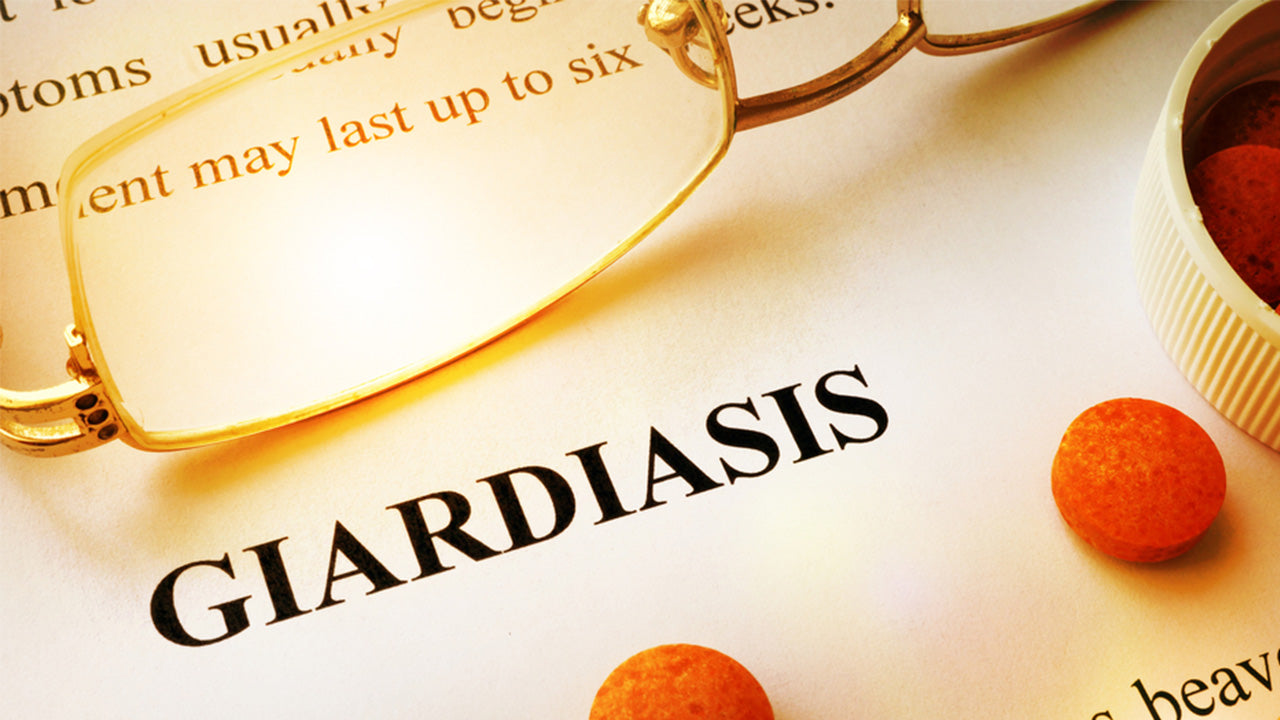
Suffering from diarrhea and abdominal cramps? Been around any recreational water sources lately? Then you might just have a case of giardiasis, an intestinal infection the Centers for Disease Control and Prevention (CDC) considers the most frequently diagnosed intestinal parasitic disease in the United States.
Caused by the microscopic parasite Giardia intestinalis (also known as Giardia lamblia and Giardia duodenalis), giardiasis is an infection that results from ingestion of the parasite cysts. Once ingested by an unwitting host, the Giardia parasites quickly invade the small intestine, where they may cause a number of unpleasant symptoms.
If you’ve been around any potential sources of this nasty little microorganism lately, read on to discover more about the causes and symptoms of giardiasis, ways to treat Giardia infection, and what you can do to decrease your risk of contracting the illness in the first place.
Most people contract the parasite that causes giardiasis after coming in contact with food or water sources contaminated with the feces of infected humans or animals. Before passing out of the body in feces, the parasites first become encased in hard shells (cysts) that allow them to live outside a host for weeks or even months.
However, once ingested, the cysts dissolve in the stomach and duodenum, and the G intestinalis parasites are released into the digestive tract, where they quickly set up shop in the upper part of the small intestine.
While Giardia can be found wherever fecal contamination is possible, there are three main methods of transmission. These are:
Interestingly, many people infected with the Giardia parasite never show symptoms, though they’re still able to spread it to others through their stool. In those who do show signs of infection, symptoms usually appear 1 to 3 weeks after exposure and may last as long as 2 to 6 weeks or even recur days or weeks later.
Whether mild or severe, symptoms of giardiasis may include:
Some people may also experience symptoms of itching, hives, and eye and joint swelling, though these manifestations are less common.
In addition, research indicates that chronic or heavy infestations of G intestinalis may result in weight loss, chronic loose stools, irritable bowel syndrome (IBS), dyspepsia, impaired cognition, chronic fatigue syndrome, and consequences of malabsorption, including B12 deficiency. Some studies have also shown that giardiasis can lead to symptoms of lactose intolerance for several weeks after the infection has been eradicated.
The most accurate method of diagnosing giardiasis is stool sampling. However, because the Giardia cysts may be passed out of the body intermittently, to verify the diagnosis, your health care provider will most likely request that you provide several stool samples over a period of several days.
As mentioned earlier, some people simply carry the G intestinalis parasite and never show any signs or symptoms of active infection. Unless these people are deemed to pose a significant risk of spreading the infection to others, treatment will probably not be recommended. Likewise, the majority of people with giardiasis who do have symptoms often get better on their own within a few weeks.
However, in people with a diagnosis of giardiasis who have severe or persistent signs of infection, antimicrobials will most likely be recommended. The three most common medications used for this purpose are:
Because of the potential for adverse effects on a fetus, women who are pregnant should speak with their health care provider before beginning treatment with any of these medications.
Unfortunately, there’s no surefire way to prevent giardiasis. However, there are a number of risk factors that increase your chance of becoming infected with the parasite that causes infection. People most at risk are:
By far, the best way to protect yourself and your loved ones from giardiasis is to practice good hygiene and avoid ingesting potentially contaminated food or water.
Because most cases of giardiasis will result in either very mild symptoms or no symptoms at all, and because the infection itself is generally self-limited, the prognosis for most people with giardiasis is usually excellent. However, if you experience symptoms that are severe or prolonged, including chronic diarrhea or severe abdominal pain, don’t hesitate to contact your health care provider for additional treatment.
It's always a good idea to supplement with nutritional therapies for immunity, such as essential amino acid supplements proven to help protect against illness and infection.


Be the first to know about new craveable recipes and tips for living your best life.
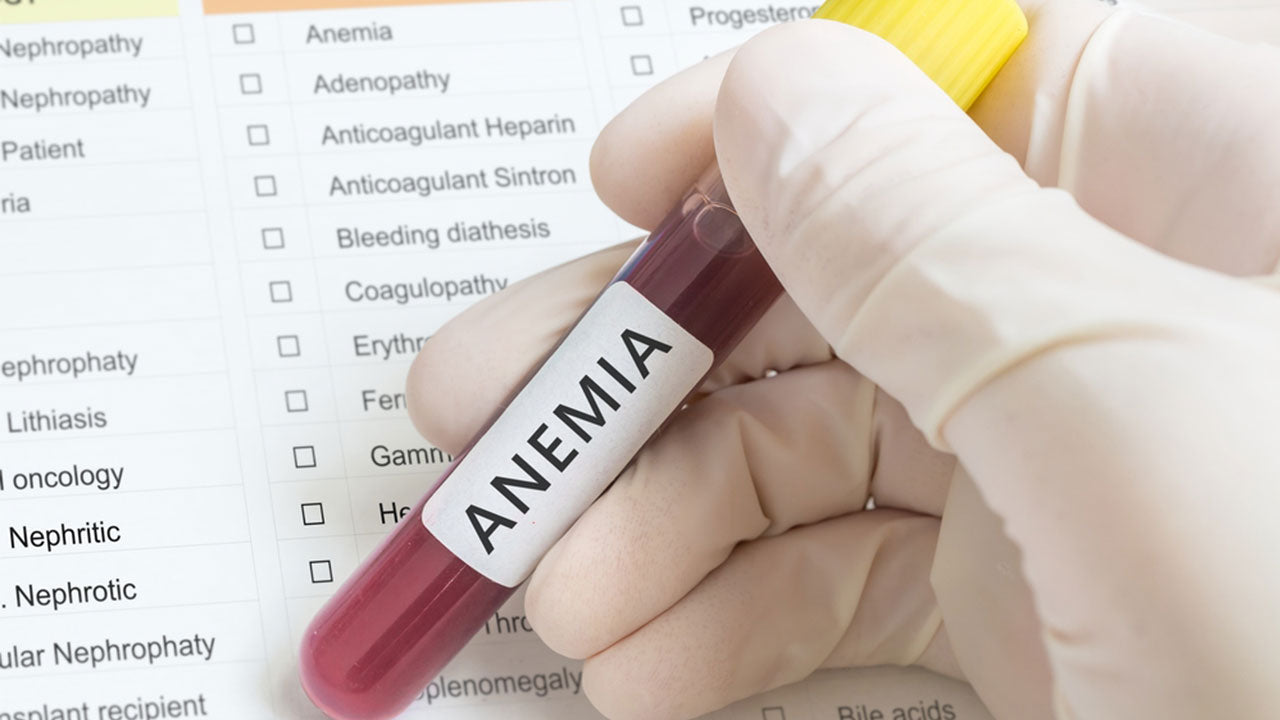
Anemia is the most common blood disorder in the U.S., and it affects 3 million Americans. This condition develops when there is a deficiency of red blood cells or hemoglobin and cells do not get enough oxygen. Learn all about anemia: the types, symptoms, causes, and treatments.

Alopecia areata, also referred to as spot baldness, is an autoimmune disease that affects approximately 6.8 million people in the United States and 147 million worldwide. Learn about the causes, symptoms, and treatments.
Sign up for our newsletter and let us know what you’re interested in, and you’ll also receive a free E-Book.
30 years of research... and still going.

Give us a try today.
If, for any reason, you don’t like us or our products, simply contact our support team within 60 days and we’ll happily refund you 100% of your payment.
It's our way of making sure you're completely happy with your purchase.

