

 833-264-6620




 By: by Amino Science
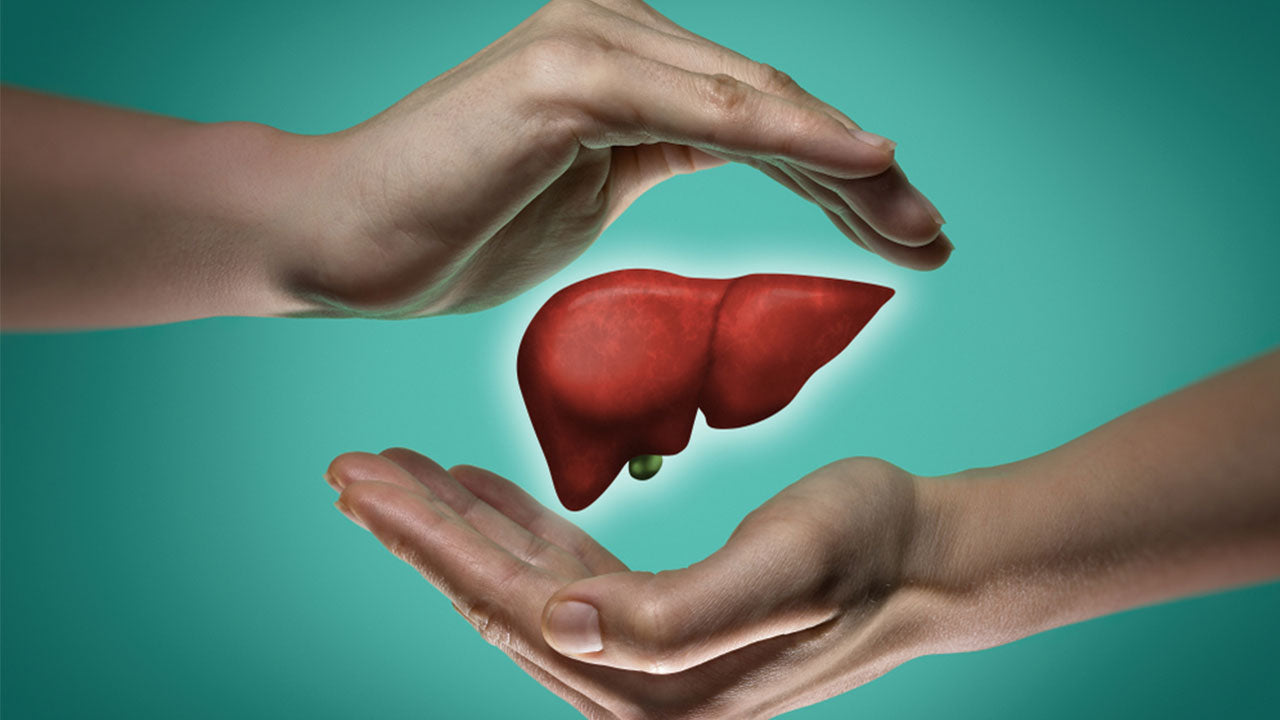
Any health issue that adversely affects your liver has the potential to put your life in danger. Inflammation of the liver is a symptom of many serious medical conditions. We'll detail these various liver diseases as well as what happens when your liver is under attack.
The liver is your body's largest organ, a dark-red gland that is located in the upper right area of your abdomen, just beneath your diaphragm. The bile produced by your liver collects into the gallbladder, located on the liver's underside, which is itself attached to the small intestine via a bile duct. The manifold functions of the liver also include:
Inflammation of the liver occurs when your liver cells are attacked by disease-causing agents. The various symptoms that can be caused by liver inflammation, hepatitis, and liver disease include:
| Yellowing of the skin and/or whites of the eyes (jaundice) | Fatigue |
| Fluid buildup in the legs and ankles (edema) | Itchy skin |
| A tendency to bruise or bleed easily | Dark urine color |
| Abdominal pain and swelling (ascites) | Chronic fatigue |
| Bloody or tar-colored stool | Pale stool color |
| Nausea or vomiting | Diarrhea |
| Unexplained weight loss | Loss of appetite |
Not all of these symptoms are as obvious as jaundice, and many could be signs of other conditions entirely, from stomach bleeding to heart failure to Wilson's disease, a genetic disorder that occurs when copper builds up in the body, affecting the brain and liver. Such non-specific symptoms often make liver failure hard to diagnose, which is particularly dangerous because while your liver is out of commission, toxins could be accumulating in your body and your brain and causing new problems, one of which is liver cancer.
The word "hepatitis" specifically refers to inflammation of the liver: from the Greek hêpar meaning "liver" and -itis meaning "inflammation" (as in arthritis, tendinitis, pancreatitis, etc.).
Hepatitis is often caused by either a viral infection or an autoimmune disorder that directs the body's immune system to target the liver cells because it cannot differentiate healthy liver tissue from harmful invading cells.
There are several types of viral hepatitis, including hepatitis A, B, C, D and E, with hepatitises A and B being common causes of liver inflammation (though fortunately there are vaccines available for both). The following information on these conditions has been sourced from the Mayo Clinic and the U.S. Centers for Disease Control and Prevention (CDC).
This highly contagious liver infection is caused by the hepatitis A virus (HAV). Hepatitis A is often contracted from contaminated food or water, or close contact with an infected person or object. Mild cases of hepatitis A often don't require treatment, and most people who've been infected can recover completely, with no permanent damage to their liver. Severe cases can persist for several months, however, so getting the vaccine for hepatitis A is encouraged, as is practicing good hygiene to protect against the hepatitis A virus.
If you suspect you were exposed to the hepatitis A virus, an injection of the vaccine or the antibody immunoglobulin within two weeks of possible exposure may protect you from infection. Seek medical advice right away if there's been a hepatitis A outbreak in your area (in a restaurant for example), if you've had close or sexual contact with someone who has hepatitis A, or of if you've traveled outside the country to areas like Mexico, Central, or South America, or to regions with poor sanitation practices.
The hepatitis B virus (HBV) brings on this very serious liver infection. Hepatitis B infection can become chronic (lasting more than 6 months), increasing the risk of liver failure, liver cancer, and cirrhosis (the end-stage of extensive scarring of the liver).
While most adults are able to recover fully from hepatitis B infection, infants and children are more likely to develop chronic hepatitis B. While a vaccine can prevent the infection of hepatitis B, and preventative treatment may help if you receive it within 24 hours after exposure, there is no cure once you are infected. Contracting hepatitis B will mean taking precautions to prevent spreading the virus to others. Hepatitis B can be spread from:
Risk factors for hepatitis B infection include engaging in unprotected sex, needle sharing, working in a health care job that exposes you to human blood, and traveling to certain areas with high hepatitis B infection rates, like Africa, Eastern Europe, Asia, and the Pacific Islands. The hepatitis B vaccine is recommended for everyone, but especially for those who are at higher risk.
A viral infection with no preventative vaccine, hepatitis C (HCV) also leads to inflammation of the liver. Traditional treatment of hepatitis C used to involve weekly injections and oral medications with prohibitive side effects, but more recently chronic hepatitis C has become curable via oral medications taken over a period of 2-6 months.
The issue that remains, however, is that people are often unaware that they're infected until the symptoms of liver inflammation arise, which could take decades to appear. Because of this long incubation, the CDC recommends that everyone born between 1945-1965 (colloquially known as Baby Boomers) get a one-time screening blood test, as they're in a group that is 5 times more likely to be infected than the rest of the populace.
Acute hepatitis C infection does not always become chronic. Between 14-50% of those infected are able clear hepatitis C from their bodies after the acute phase in what's known as "spontaneous viral clearance." Fortunately, hepatitis C usually responds well to antiviral therapy, though there are several distinct types of hepatitis C around the world. While the symptoms and progression of each genotype is the same, the treatment variations depend on the strand. The type 1 genotype is most common in North America and Europe.
Risk factors for contracting hepatitis C include health care work, needle sharing, incarceration, receiving hemodialysis for an extended period, receiving a blood transfusion before 1992, or clotting factor concentrates before 1987. To avoid exposure, it's recommended to not use illicit drugs, to be cautious about the hygienic practices of tattoo parlors, and to practice safe sex.
Hepatitis D is also known as "delta hepatitis," and is a liver infection caused by the hepatitis D virus (HDV). It is an uncommon infection in the United States, and only occurs in those who are first infected with hepatitis B, because hepatitis D is an incomplete virus that needs the function of hepatitis B to replicate itself. Hepatitis D is transmitted via intimate contact with infected blood (either percutaneous or mucosal), and can be acquired with hepatitis B (coinfection) or after the fact (superinfection). There is no vaccine for hepatitis D, but it can be prevented by getting vaccinated for the hepatitis B vaccine, because it is a codependent virus.
This viral condition is brought about by infection from hepatitis E (HEV), though it fortunately does not result in chronic infection. Quite uncommon in the United States, hepatitis E exists in many other parts of the world, often transmitted through ingesting trace amounts of infected fecal matter through either contaminated water or poor overall sanitation. There is no current vaccine for preventing hepatitis E.
This condition is the result of drinking too much alcohol over a period of many years, though not all heavy drinkers will develop alcoholic hepatitis. The American Liver Foundation states that up to 35% of people who drink heavily develop alcoholic hepatitis. It remains unclear to researchers why this condition only happens to some heavy drinkers (and a few moderate drinkers) and not to all of them. Receiving the diagnosis of alcoholic hepatitis requires you to immediately stop drinking, as ingesting alcohol will only escalate the condition to life-threatening proportions.
Risk factors that contribute to developing alcoholic hepatitis beyond immoderate drinking include being infected with other forms of hepatitis, being obese, being a woman, or being a person of color (African American or Hispanic), as well as binge drinking and malnutrition—heavy drinkers tend to eat poorly, and alcohol and its byproducts can hinder digestive absorption. Most people who develop alcoholic hepatitis have a history of drinking the equivalent of 7 glasses of wine, beer, or liquor shots daily for over 20 years.
Preventative measures include drinking moderately or abstaining, avoiding viral hepatitis infection, and being careful not to mix medications with alcohol, especially pain relievers like acetaminophen, found in Tylenol, which has its own adverse impact on the liver.
Autoimmune hepatitis is inflammation of the liver that occurs when the immune system attacks your liver cells. The exact cause has never been scientifically pinpointed, but genetic and environmental factors appear to trigger the disease. While autoimmune hepatitis can be controlled via immune-suppressing drugs, if the condition does not respond to medication, it could lead to cirrhosis, liver failure, the need for a liver transplant, and death.
There are two types of autoimmune hepatitis that have been identified.
Risk factors for autoimmune hepatitis include having other autoimmune diseases or a history of certain infections (like the measles, herpes simplex, or hepatitises A, B, and C), being female, or having a hereditary history that suggests a predisposition to the disease.

Because the liver plays a role in processing everything we eat and drink, any liver damage or inflammation is an emergency. Liver failure or hepatic failure is a life-threatening condition that can be either acute or chronic.
Acute liver failure is a rapid loss of liver function in someone who has no pre-existing liver condition, and is a serious medical emergency that requires immediate hospitalization. Depending on the cause, acute liver failure may be reversed, but often the only cure is to receive a liver transplant.
Causes of acute liver failure include:
Though there is an extensive amount of known causes, many cases of acute liver failure have no obvious cause, and the complications can be dire, from cerebral edema (fluid buildup in the brain), to an inability of the blood to clot, to opportunistic infections in the blood, lungs, and urinary tract, to kidney failure. While it's impossible to prevent the unknown causes of acute liver failure, it is nevertheless advised that you get vaccinated, avoid ingesting wild mushrooms, avoid coming into close contact with chemical substances, practice good hygiene, avoid or moderate alcohol use, and stay fit.
Chronic liver failure is marked by the gradual destruction of liver tissue over many years.
Cirrhosis is the late-stage condition caused by scarring of the liver tissue. Cirrhosis is the result of the accumulation of scars that form whenever the liver is injured by either disease or toxin consumption and tries to repair itself. Cirrhosis is the 12th leading cause of death in the United States, and approximately half of those cases are due to alcohol abuse.
Chronic damage to the liver escalates to cirrhosis in these stages:
Alcoholic fatty liver disease results when fat cells get deposited in the liver, causing it to enlarge, and generally affects those who are both obese and heavy users of alcohol. Alcoholic fatty liver disease is preventable, and usually improves if you can stop drinking. If drinking continues and the condition progresses, it can lead to alcoholic hepatitis or alcoholic cirrhosis, which have all the same symptoms as listed above, plus potentially high blood pressure in the liver, an enlarged spleen, mental confusion, and internal bleeding. Alcohol-related fatty liver disease is the precursor before hepatitis and cirrhosis, and should be treated as an opportunity to halt the progression of liver failure.
Nonalcoholic fatty liver disease is an umbrella term for many liver conditions that affect those who drink little-to-no alcohol. The National Institutes of Health lists other health conditions as common contributors to nonalcoholic fatty liver disease, like obesity, type 2 diabetes, and metabolic syndrome, which is another umbrella term for a condition that involves high levels of bad cholesterol, insulin resistance, high blood pressure, and large amounts of belly fat. Nonalcoholic fatty liver disease can also cause chronic damage that progresses towards liver failure.
Whatever the underlying cause of liver inflammation and liver failure, medical attention is necessary. Common methods of diagnosis involve blood tests to detect any abnormalities, imaging scans to get a picture of the liver (CTs, ultrasounds, MRIs), or a biopsy. During a biopsy, a small piece of the liver is extracted and examined to determine the extent of any liver damage. If the liver damage is caught early enough and the cause quickly identified, then the liver may be able to heal and recover. Going forward after a successful treatment, there are ways to prevent further liver damage.
One of the best ways to prevent liver conditions from developing is to limit certain risk factors and increase your overall health.
On the cutting edge of developing science, amino acid therapies applied to the liver are showing amazing results. Studies have found that amino acid supplements are effective in treating both alcoholic and nonalcoholic fatty liver diseases. One study found that long-term oral supplementation of branched-chain amino acids had positive effects for patients with advanced liver cirrhosis, while another showed that application of those same essential amino acids positively impacted patients with advanced chronic liver disease.
Yet another study revealed that the dysregulation of the branched-chain amino acids is a characteristic signature in adolescents with nonalcoholic fatty liver disease, independent of the factors of obesity and insulin resistance. They also concluded that an amino acid disruption could predict an increase in liver fat content over time. For as mysterious as the causes of nonalcoholic fatty liver disease can be, scientists have found that disordered amino acids are a consistent marker for it.
Inflammation of the liver can be both the cause and the symptom of serious liver conditions. The best way to avoid liver inflammation is to live a safe and healthy life and to make sure your essential amino acids are in the proper balance, as they have been scientifically shown to act as both a prevention and a cure for various liver diseases. If you suspect any issue with your liver's function, visit your doctor immediately, because the importance of your liver is right there in its name: you need your liver to live. Fortunately the liver has the ability to recover and heal itself, so if you take care of it, it can take care of you for a long time.

Be the first to know about new craveable recipes and tips for living your best life.
Lower respiratory tract infection is often used as a synonym for pneumonia. However, this condition can refer to a host of illnesses affecting the airways below the larynx. Read on for the types, causes, and treatments of LRTIs.
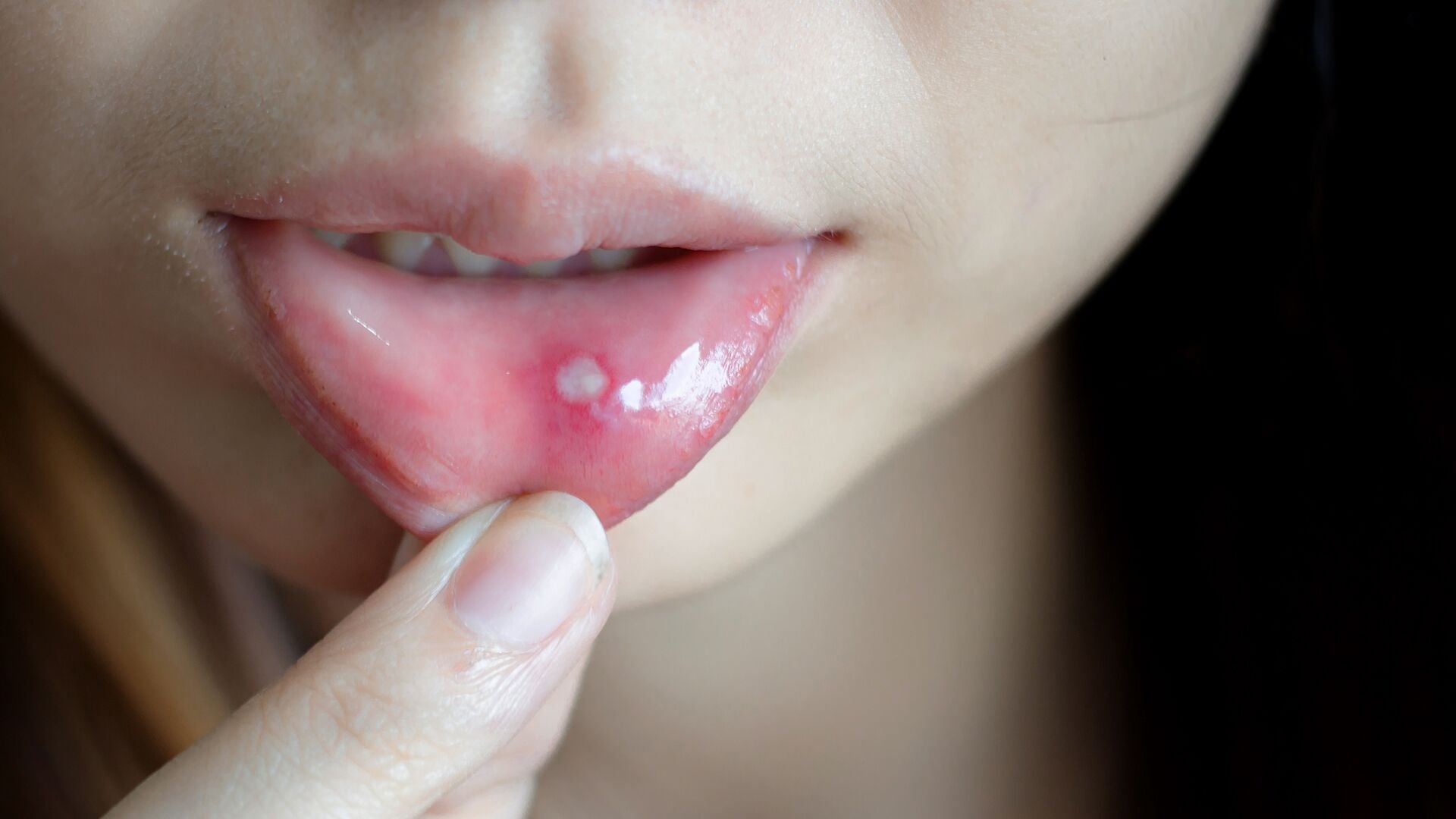
Canker sores are small painful sores in the inside of your mouth that can appear for any number of reasons. Here are 12 canker sore home remedies that help soothe your discomfort, tips for preventing canker sores, and signs that indicate you should get in to see your doctor. Read on for the cancer sore cure!
Sign up for our newsletter and let us know what you’re interested in, and you’ll also receive a free E-Book.
30 years of research... and still going.

Give us a try today.
If, for any reason, you don’t like us or our products, simply contact our support team within 60 days and we’ll happily refund you 100% of your payment.
It's our way of making sure you're completely happy with your purchase.

