

 833-264-6620




 By: by Amino Science
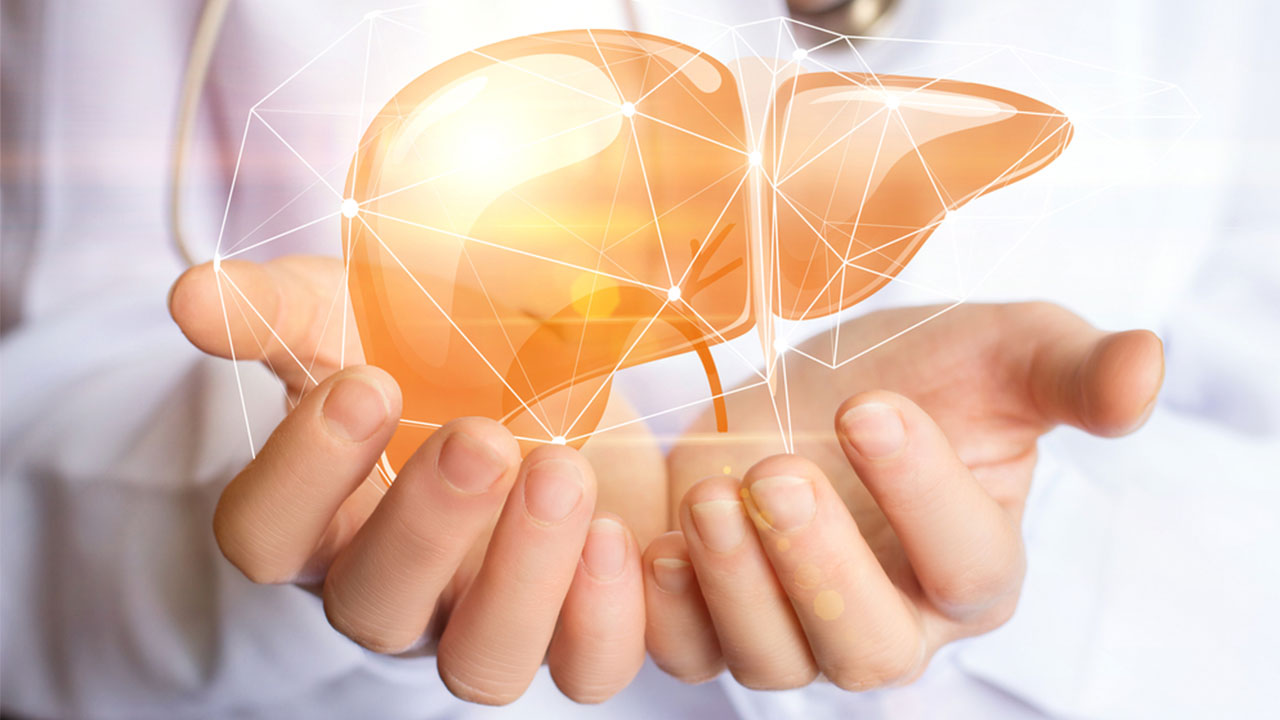
The liver is the largest internal organ in the body and is found only in vertebrates. Although it’s an organ that has an impressive list of duties—an estimated 500 according to most textbooks—many of us think of it only when we’ve had too much to drink or been exposed to certain toxic substances. But the liver works all day every day, detoxifying and purifying the body’s blood supply and acting as the primary site for nutrient processing and lipid, carbohydrate, and amino acid distribution.
So come with us as we explore the structure and many functions of the liver and what this amazingly important organ means for the rest of the body.
The liver is a reddish-brown solid organ that’s located in the upper right side of the abdominal cavity, just below the lungs, and is partially protected by the rib cage. The liver of an adult human weighs approximately 3 pounds, which makes it the second heaviest organ in the body, surpassed only by the skin (which is also considered the largest organ overall). The liver is also the only organ that receives blood from two sources:
The hepatic artery carries oxygen-rich blood from the heart, and the portal vein carries nutrient-rich blood from the intestines. These blood vessels further subdivide into capillaries that supply the two main lobes’ many smaller lobules. These functional units of the liver are, in turn, made up of millions of metabolic liver cells called hepatocytes.
Because of its role in filtering the body’s blood supply, the liver holds about a pint of blood at any given moment. After being processed, this blood is then passed out of the liver via the three hepatic veins.
We’ve established that the liver is the largest internal organ in the body, but did you know it’s also the largest gland?
The liver is afforded the status of gland because it synthesizes and secretes substances that are used by the rest of the body. This means it has the ability to regulate the levels of most chemicals in the blood both directly and indirectly through the secretion of a number of important substances, including bile—a bitter alkaline fluid manufactured by the hepatocytes and stored and concentrated in the gallbladder. Bile not only aids in the elimination of certain byproducts of liver metabolism but also assists in the digestion and absorption of fats.
And this brings us to one of the most important functions of the liver—processing the food we eat.
The foods we eat are basically combinations of macronutrients—the substances we require in relatively large amounts to survive—and the main macronutrients are generally considered carbohydrates, fats, and proteins. But other consumables, such as alcohol, are technically macronutrients too, in the sense that they contribute calories to the diet.
After food has gone through the digestive process, its nutrients are absorbed by the small intestine and sent to the “central processing plant” of the liver to be broken down, converted, stored, or repackaged for delivery to other tissues and organs based on the current needs of the body.
An easy way to illustrate this process may be to think of how an oil refinery works. First, crude oil is delivered to the refinery and sent through the processing stream, which yields whatever end products are most in demand by the current market—for example, gasoline, diesel fuel, and kerosene. Likewise, the liver senses which nutrients are needed by various tissues and organs and delivers the building blocks required to meet the body’s demands.
In the case of fats, the bile produced by the liver is pushed by the gallbladder into tubes called bile ducts. These ducts carry the bile to the small intestine, where it mixes with the fats in food to aid in their digestion and promote their absorption by the gastrointestinal tract.
One of these fats, triglycerides, which is found in the blood and can cause fatty liver if allowed to build up to excessive levels, is metabolized in the liver to produce energy for its (the liver's) own use. And the metabolites, or breakdown products, are then transported out to the blood for delivery to the body’s various tissues.
As for the carbohydrates, after they’re broken down into their simplest form—the monosaccharides glucose, fructose, and galactose—and the fructose and galactose are converted into glucose, their fate depends on the liver to store or use glucose as needed.
It’s vitally important to maintain blood glucose levels within a very narrow range, and the liver does a precise job of this by taking up excess glucose after a meal and storing it as glycogen. And when blood glucose levels drop, the liver senses the change and releases glucose back into the blood.
The liver is also responsible for the regulation of blood levels of amino acids, and is the place where amino acids from protein digestion get sorted and transformed. This process is carried out by enzymes called deaminases and transaminases. These enzymes can either add nitrogen to molecules to synthesize nonessential amino acids or remove nitrogen to leave carbon structures that can then be used to make glucose or—less readily—be converted to fatty acids.
The liver also converts the ammonia that’s generated by the release of nitrogen from some of these reactions into urea—a process that allows what was a toxic byproduct (ammonia) to be safely excreted in the urine.
In addition, the liver produces a number of proteins, including albumin and fibrinogen—two major plasma proteins (proteins present in blood plasma) that circulate through the body. Albumin serves to regulate blood volume and may also be a means of transporting essential amino acids to other tissues. Fibrinogen is an important component of the blood clotting process. The levels of these plasma proteins, and the liver’s capacity to produce them, are affected by overall nutrition and excessive use of alcohol or other drugs.
As stated earlier, the liver is responsible for about 500 known tasks, some of which have already been discussed. But there are so many more—too many to possibly cover here. Still, the liver is such an important organ we thought we’d show it the respect it deserves and talk about a few more of its better known functions.

The liver has a lot of amazing abilities, not the least of which is its remarkable powers of regeneration. In fact, the liver can become whole again even if as little as 25% of the liver tissue remains. While this is a truly astounding feat no other internal organ can duplicate, the liver isn’t invincible. Indeed, there are a number of conditions that can affect the liver’s capacity to perform its myriad functions. These include:

As we’ve seen, the liver performs many important functions that help keep the body running smoothly. But certain conditions can compromise its ability to function. However, there are a few things you can do to help prevent these liver problems and ensure a lifetime of tireless service. These include:
From filtering the blood and neutralizing toxins to processing food and regulating hormones, the liver is truly one of the wonders of nature. And by following a few simple guidelines, you can go a long way toward ensuring the body’s central processing plant remains up and running for many years to come.
Be the first to know about new craveable recipes and tips for living your best life.
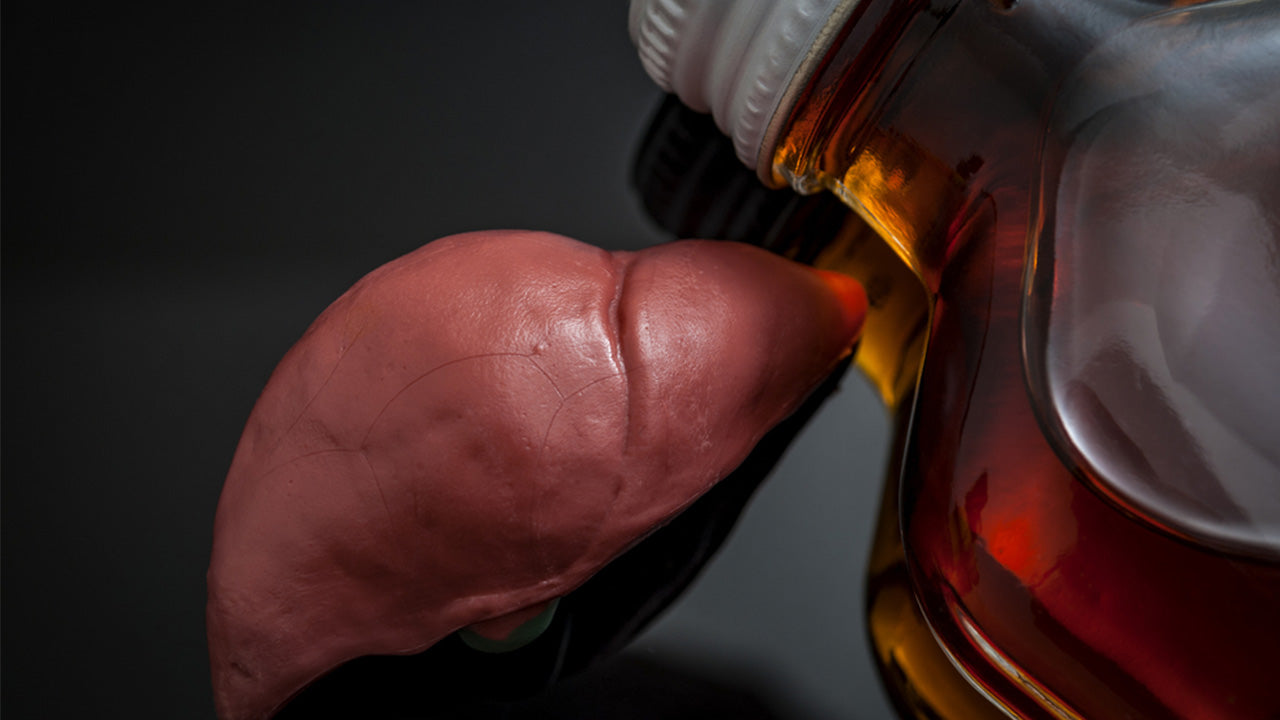
It is a common joke to bemoan the plight of one’s liver and the suffering it endures as a consequence of imbibing alcohol. Let’s take a look at what really happens when alcohol and your liver get together. And in case you’re wondering, yes, it’s sobering.
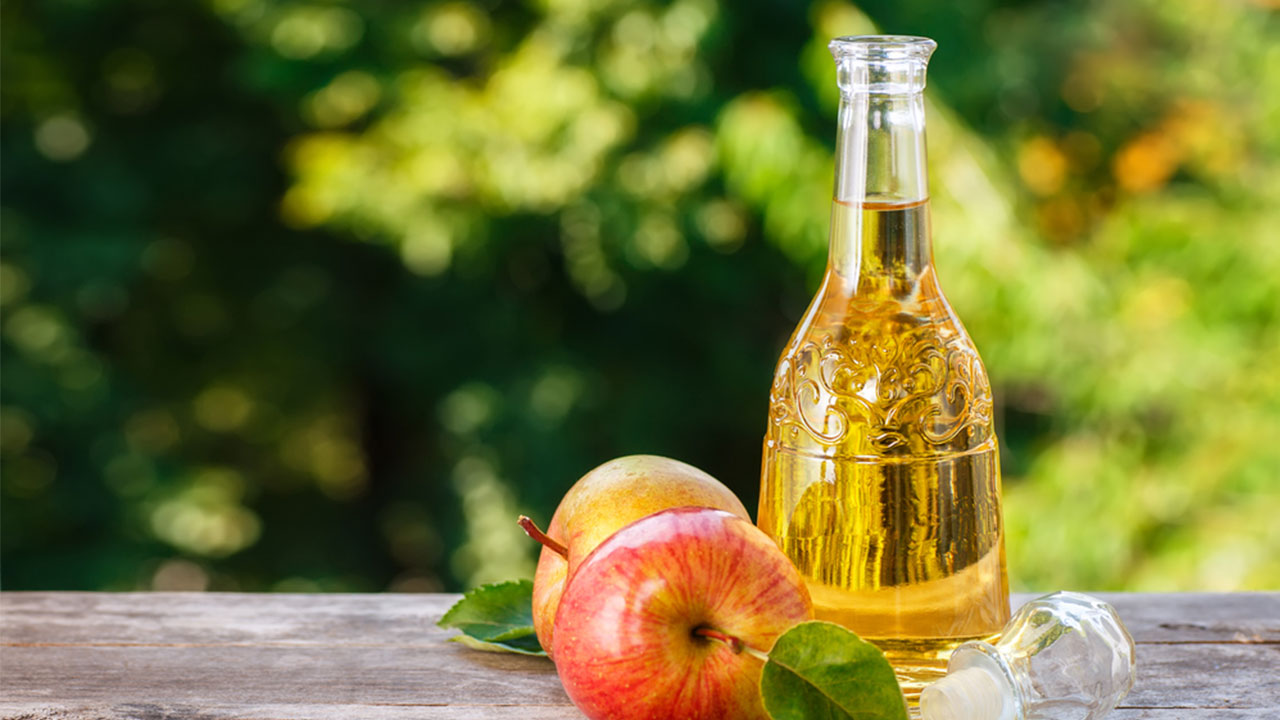
According to proponents, regularly flushing your system with apple cider vinegar can improve your digestion, boost your immune system, and aid in the detoxification work of your liver and kidneys. Some go so far as to say that, when consumed daily, apple cider vinegar can help prevent or reverse fatty liver disease. Let's see what the science says.
Sign up for our newsletter and let us know what you’re interested in, and you’ll also receive a free E-Book.
30 years of research... and still going.

Give us a try today.
If, for any reason, you don’t like us or our products, simply contact our support team within 60 days and we’ll happily refund you 100% of your payment.
It's our way of making sure you're completely happy with your purchase.

