

 833-264-6620




 By: by Amino Science
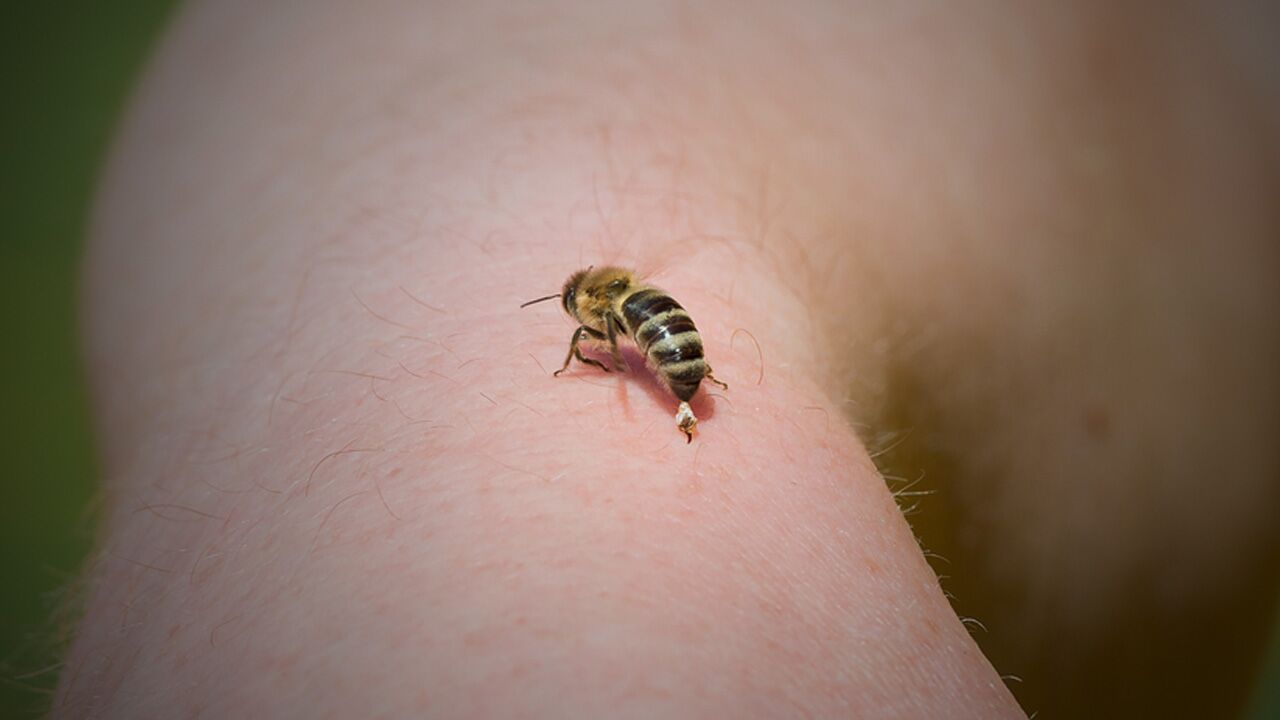
You hear the buzz, and then…ouch! You’ve been stung by a bee. For most people, bee stings cause a mild reaction and are just a temporary nuisance, but a sting from these flying insects can still pack a punch. What do you do when you’re stung by a bee and what remedies provide relief from the itching and pain? We’ll take a look at what you should do for treating bee stings and taking the sting out!
Bees are not out looking to find someone or something to sting. The stinger is strictly used when the bee believes its colony is under attack or its life is in danger. Both wasps and bees will sting when a person or animal comes near their nest or hive. The risk of becoming stung increases if you are using something that causes a loud noise, such as a lawn mower, or if you swat or shout at a bee, or wear bright-colored clothes. Multiple bees may also pursue you after the single bee sting if the species contains pheromones in the bee’s venom, which alerts the rest of the hive to attack.
Bee and wasp stings are fairly common, especially during the warmer months when people are outside for longer periods of time. The initial sting can be unpleasant and lead to throbbing and pain at the sting site but typically does not cause any severe reactions. The pain from a bee or wasp sting is caused by your body’s reaction to the toxin that is released from the insect’s stinger.
Your immune system kicks into action, with white blood cells arriving first on the scene to rid the body of the antigens in the bee venom. Soon after you are stung, your body releases serotonin and histamine that cause an allergic reaction at the sting site. As your body continues its fight, the site becomes inflamed and swollen and may be painful and hot to the touch. You can often spot a small white dot in the middle of the sting site where the stinger went into your skin. For most people, the swelling and pain subside within hours of being stung, especially if it is not on an area that is ultra sensitive, like the face, ears, or neck.
The main reason bees only sting as a last resort is that they have barbed stingers that are torn off upon contact and they will die soon after stinging. If they believe it’s a matter of life or death for their hive or themselves, they will go into attack mode. You may notice you must remove the stinger or venom sac after being stung, since it is often left behind after the bee flies away.
Like bees, wasps have a stinger that contains venom but their stingers do not have barbs and usually retract upon stinging. Since the stinger remains intact, a wasp, as well as other stinging insects like hornets and yellow jacket wasps, can sting you multiple times.
For most people, when an insect stings it's just a nuisance, but for others, it can be serious and have life-threatening complications. Some individuals will experience substantial swelling or redness at the sting site due to a more serious reaction. For those who are highly allergic, a bee or wasp sting can turn into a life-threatening situation quickly. A bee or wasp allergy can cause anaphylaxis (wheezing and difficulty breathing), rapid heartbeat, hives, low blood pressure, swelling of the throat or tongue, and dizziness or fainting. In incidences of anaphylactic shock, emergency medical care is needed to counteract the severe allergic reaction.

Unless you have a bee sting allergy, most bee and wasp stings can be treated at home with over-the-counter products or home remedies.
If you’re stung by a bee, gently extract the stinger using your nails or the firm edge of a credit card. Avoid using tweezers, which can drive more toxic venom into the wound. Toxins can still be released from the bee's stinger if left in place so prompt removal is important.
Using soap and water, wash the area well and apply an astringent or antiseptic with a cotton ball. Next grab an ice pack, ice cube, or cold compress and hold over the sting site to calm inflammation. For additional treatment of bee and wasp stings, you can find several products at your local drugstore or gather a few items around your house to alleviate the pain and provide bee sting itch relief.
If you know you’ll be spending time outdoors, take these steps to reduce your risk of a bee sting:
Bee stings can be painful, whether you’re allergic to bees or not. If a bee or wasp stings you or someone you know, try to remain calm and get to a place where you can treat the sting as soon as possible to lessen the effects and speed up relief.
Be the first to know about new craveable recipes and tips for living your best life.

Managing arthritis pain requires an understanding of the mechanisms behind arthritis, as well as the different types of arthritis, of which there are more than 100. We're covering the most common arthritis conditions and offering suggestions for treatments.

Dementia is a classification of symptoms as opposed to a specific condition. It is an umbrella term for several indicators of a decline in thinking, which can include age-related symptoms like forgetfulness. Let’s learn about dementia symptoms, causes, types, and remedies.
Sign up for our newsletter and let us know what you’re interested in, and you’ll also receive a free E-Book.
30 years of research... and still going.

Give us a try today.
If, for any reason, you don’t like us or our products, simply contact our support team within 60 days and we’ll happily refund you 100% of your payment.
It's our way of making sure you're completely happy with your purchase.

