

 833-264-6620








 By: by Amino Science
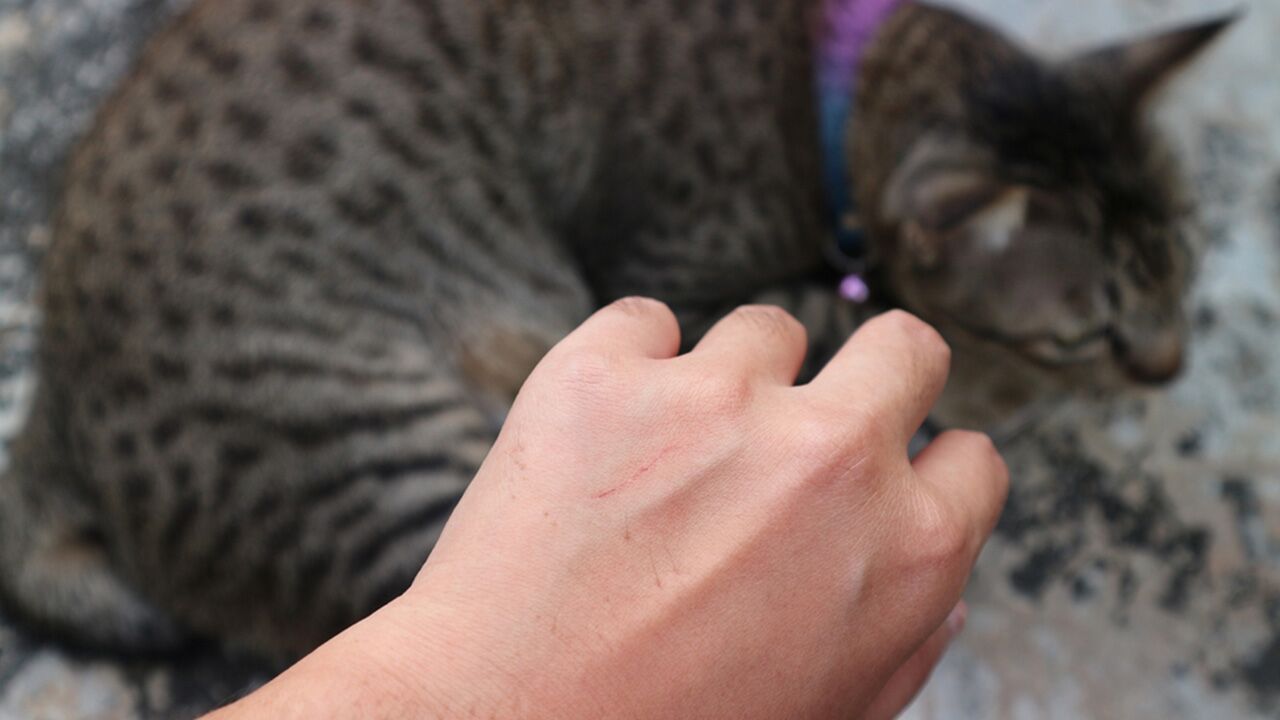
Cat scratch fever is more than just a rock song from the ’70s. It’s also a potentially serious bacterial infection that can lead to a number of unpleasant side effects. And, strangely enough, you can contract the illness from your very own house cat.
Cat scratch fever—which is also known by the monikers Teeny’s disease, inoculation lymphoreticulosis, subacute regional lymphadenitis, and cat scratch disease—is an infectious disease caused by the bacterium Bartonella henselae (B. henselae) that’s transmitted to humans via cat bites and scratches.
While the majority of cats don’t carry the disease, they may become infected when scratching or biting at fleas that carry the bacteria. Cats can then pass the infection on to humans via flea droppings under their nails, between their teeth, or in their saliva.
According to the Centers for Disease Control and Prevention (CDC), the chances of contracting cat scratch fever are actually quite slim, with only around 12,000 cases diagnosed each year in the United States. However, among those diagnosed, approximately 500 require hospitalization.
Although the CDC estimates that approximately 40% of cats carry B. henselae at some point in their lives, most never show any signs of infection. However, some cats do develop symptoms. As is the case in humans, they’re generally mild and may include:
However, like humans, cats may also develop complications that affect the heart, mouth, urinary tract, or eyes. If signs of these complications appear—especially labored breathing—veterinary care should be sought.
Most cases of cat scratch fever in the United States occur from Maryland south and west to Texas between the months of September and January. The condition is also more commonly seen in women than men.
However, the majority of cases are diagnosed in children between the ages of 5 and 9—probably as a result of their tendency to engage in rough play with kittens, which have a greater tendency to bite and scratch as they play.
Most people who develop cat scratch fever experience relatively mild symptoms, though individuals with certain pre-existing medical conditions have a greater chance of becoming seriously ill from the disease. People most at risk are those with conditions that result in immune compromise, such as:
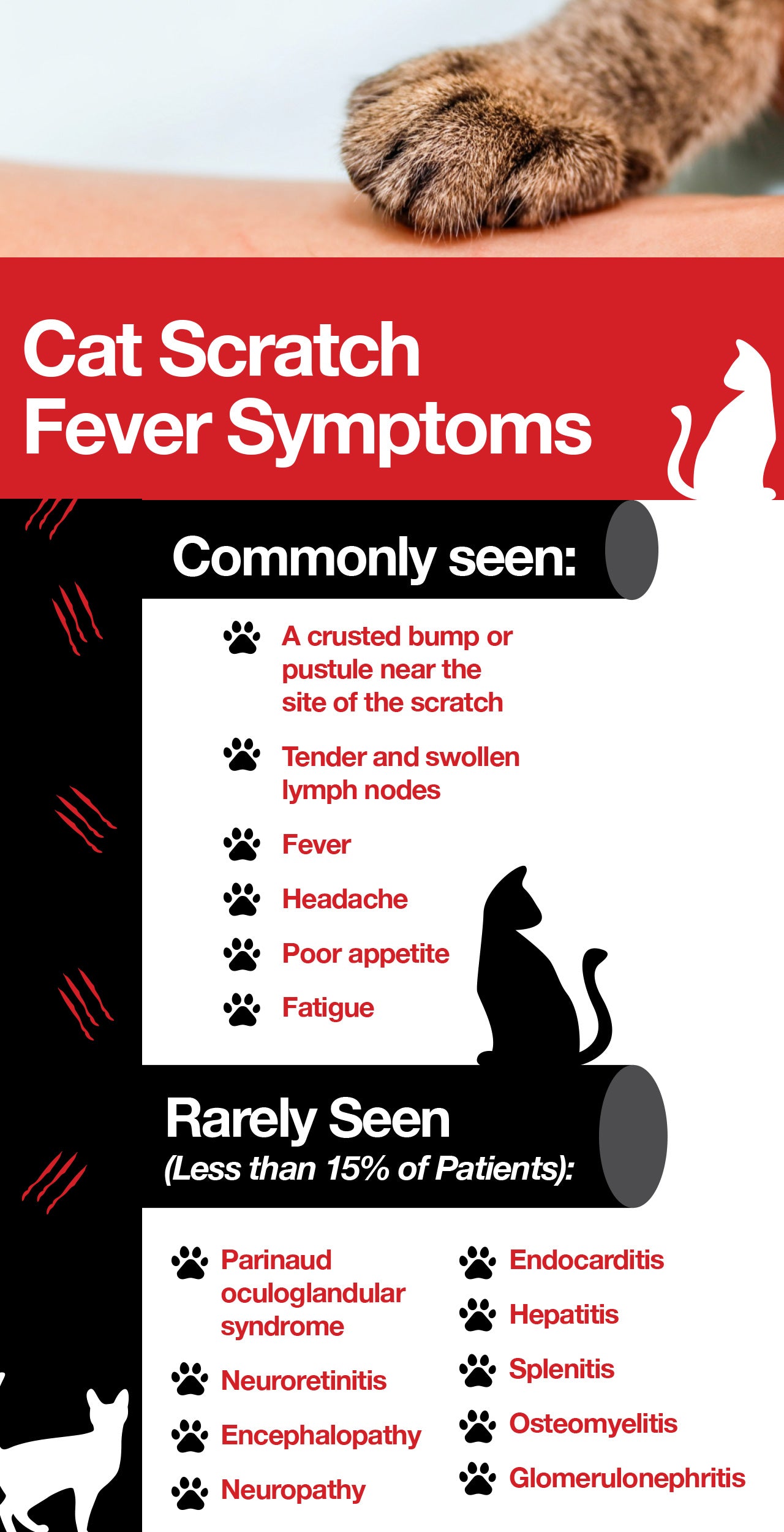
If you’ve suffered a cat scratch or bite and are concerned about cat scratch fever, keep an eye out for these common signs of illness:
The first sign that someone’s been infected with B. henselae is a small pimple or bump at the site of the injury. Over the course of the next few weeks, the lymph nodes in the affected area then become swollen. This regional lymphadenopathy, as it’s known, may also be accompanied by tenderness of the affected lymph nodes.
Although cat scratch fever is an uncommon disease that’s usually mild and self-limited in nature, in rare cases, serious complications involving the heart, eyes, kidneys, liver, spleen, bones, brain, or nervous system may result.
Such cases are more likely to occur in children younger than 5 years and people with weakened immune systems and may require intensive treatment. Some of these complications include:
The majority of cases of cat scratch fever are diagnosed based on history and clinical symptoms. However, if symptoms are severe and your health care provider suspects the disease, several tests may be performed:
IFA and ELISA are blood tests that look for antibodies to the bacteria that cause cat scratch fever. While these tests are the most sensitive to the disease, they’re less specific than PCR and may produce both false-negative and false-positive results. In cases where the results are ambiguous, the more specific PCR may be recommended to confirm the diagnosis.
Most people with cat scratch fever require minimal to no treatment, with symptoms generally subsiding on their own over the course of 2 to 4 months. However, if treatment is required, it’s usually in the form of local heat and analgesics for pain.
In those with extremely large and fluctuant lymph nodes, needle aspiration may be used for pain relief purposes, while antibiotics are generally only recommended in patients who develop signs of severe or systemic disease.
Moreover, because the disease is not spread from person to person, extra precautions to prevent transmission of the infection to others are not required.
To help reduce your chances of getting cat scratch fever from your cat, follow these simple precautions:
In addition, it’s best to avoid petting stray or feral cats, and people who are immunocompromised should avoid adopting kittens younger than 1 year.
Taking these simple steps to avoid the situations that may result in cat scratch fever will not only help prevent the disease in you but will also help protect your cat from potential infection. However, if you or your cat develops signs of infection that are worrisome, see your health care provider or vet to discuss further treatment options.

Be the first to know about new craveable recipes and tips for living your best life.

If you're interested in finding out how to keep your bones strong and healthy for the rest of your life, read on to learn about osteopenia treatment and how exercise can help increase bone density and reduce the risk of fracture.

What causes kidney pain after drinking alcohol? How dangerous is kidney pain and does it require a trip to the doctor? We have the details on how alcohol affects your kidneys, and what health conditions may arise from excessive drinking.
Sign up for our newsletter and let us know what you’re interested in, and you’ll also receive a free E-Book.
30 years of research... and still going.

Give us a try today.
If, for any reason, you don’t like us or our products, simply contact our support team within 60 days and we’ll happily refund you 100% of your payment.
It's our way of making sure you're completely happy with your purchase.

