

 833-264-6620




 By: by Amino Science
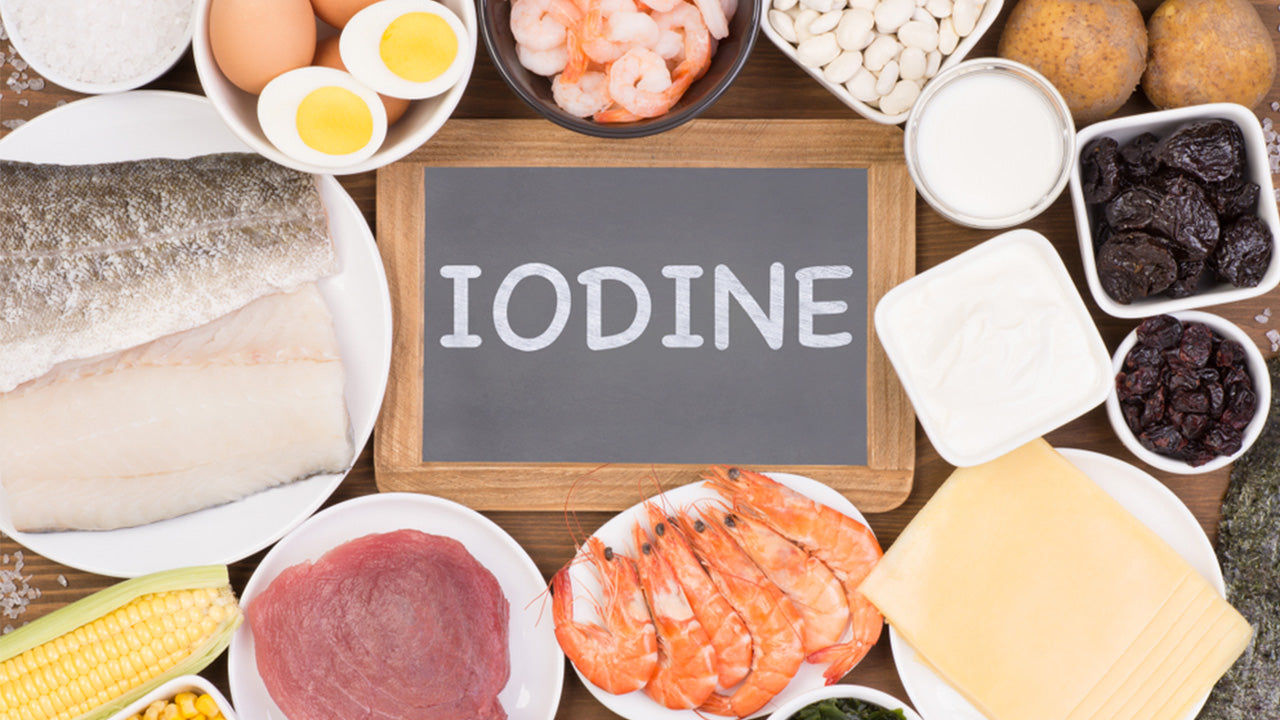
Iodine, like essential amino acids, is a vital nutrient you must get from your diet. Our bodies need iodine to regulate thyroid function, support healthy metabolism, and even prevent certain kinds of chronic disease. Unfortunately, many people don’t get enough iodine from the foods they eat, putting them at risk of an iodine deficiency. These 12 foods with iodine can keep your levels optimal.
Iodine, a mineral naturally found in some foods and added to others, helps our bodies run smoothly. Data presented in a study published in Endocrine Reviews, a peer-reviewed journal, indicated that as of 2009, approximately two billion individuals around the world have an inadequate iodine intake. While people living in South Asia and sub-Saharan Africa are most at risk of iodine deficiency, about 50% of all Europeans are mildly iodine deficient and rates of iodine intake are falling in countries including Australia and the United States too.
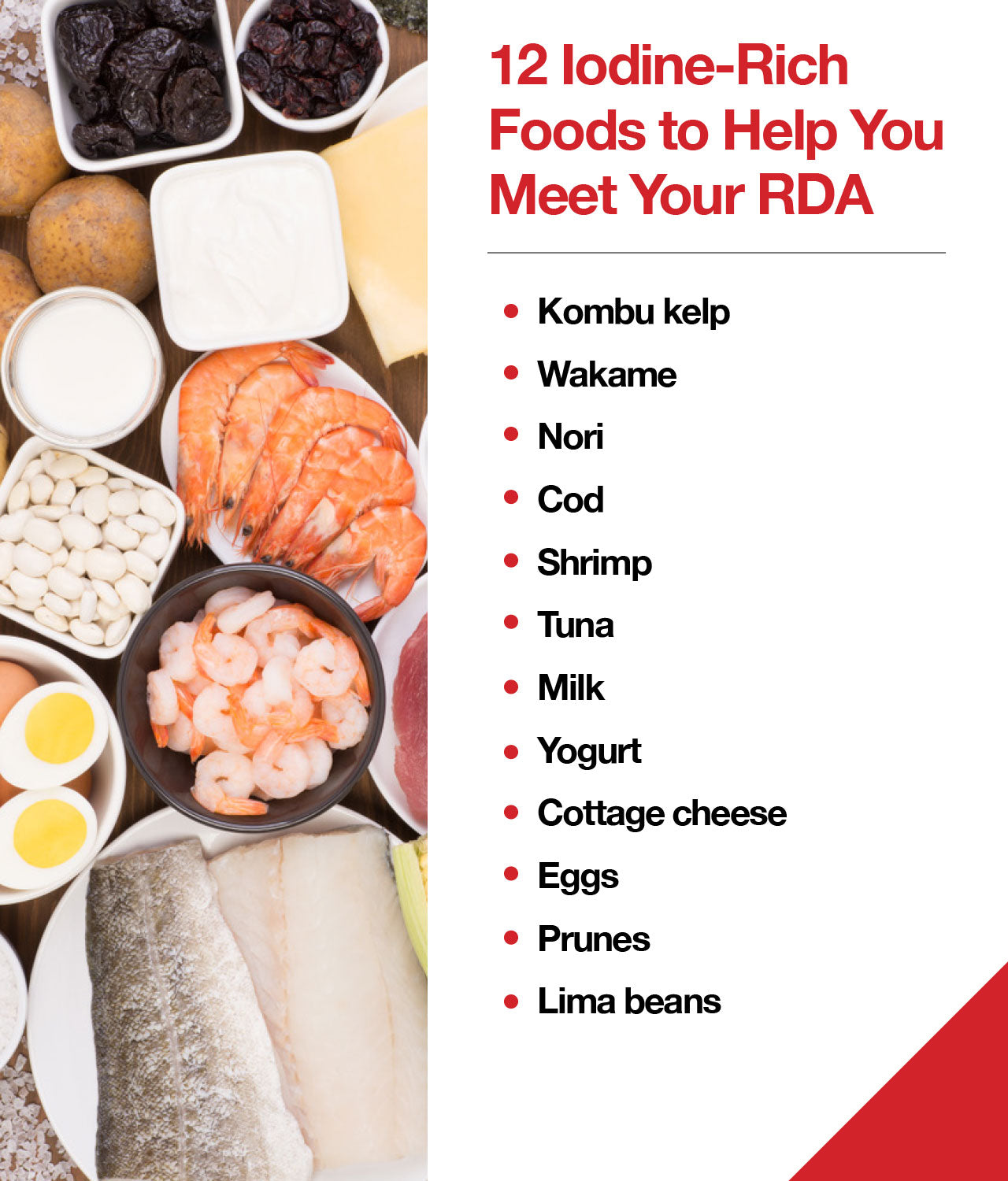
The National Institutes of Health Office of Dietary Supplements states that certain people have a greater risk of developing iodine deficiency. Factors that increase your risk of iodine deficiency include:
For most adults, the recommended dietary allowance (RDA) for iodine is 150 micrograms. Failing to meet that minimum threshold can result in symptoms like:
Severe cases of iodine deficiency can result in swelling of the thyroid gland known as goiter as well as hypothyroidism.
Eating plenty of foods with iodine is the best way to ensure you don’t develop a deficiency. So, what foods contain iodine? Certain kinds of fish, dairy products, grains, and fruits and vegetables.
Iodine in food can be in several forms: sodium and potassium salts, inorganic iodine (I2), iodate, and iodide. Regardless of its form, iodine is absorbed in the stomach, enters the bloodstream, and circulates to the thyroid gland where it is used for thyroid hormone synthesis and other purposes. Any unused iodine is excreted in urine.
At any given time, a healthy adult typically has 15-20 milligrams of iodine present in the body, 70% to 80% of which is stored in the thyroid.
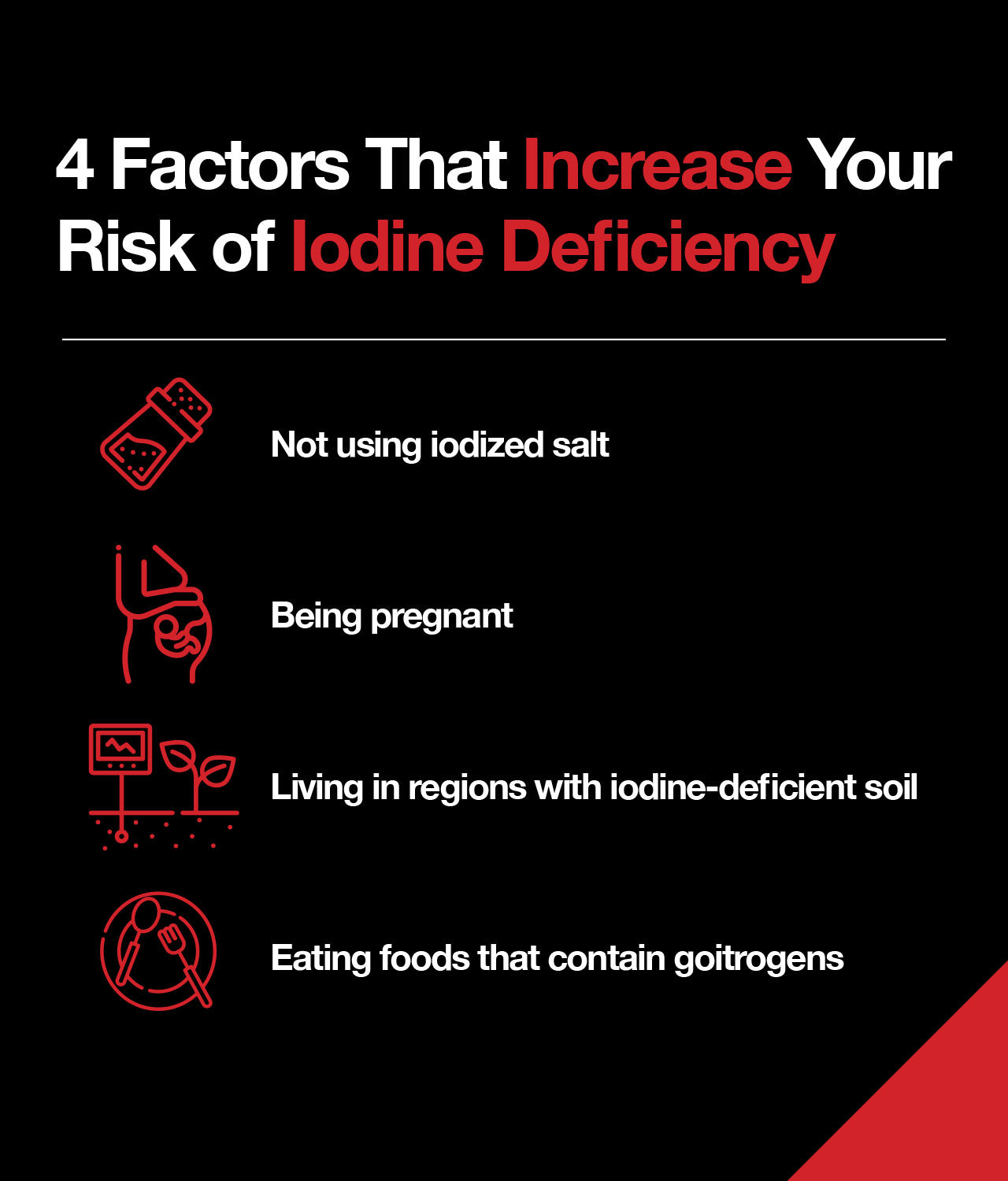
By eating more iodine-rich foods, you can ensure your body gets the optimal amount of iodine it needs. These 12 foods all have naturally high iodine contents. While eating foods fortified with iodine can help you meet your iodine intake goals, foods that contain iodine naturally also provide a wealth of other important nutrients. Seafood and fish tend to be highlighted as the best dietary sources of iodine, but there are plenty of vegetarian sources of iodine, as well as vegan sources of iodine which we also point out on our list.
Seaweed is one of the absolute best natural sources of iodine—and one that’s both vegetarian and vegan! The specific amounts it contains vary depending on seaweed type, the region where it grew, and the methods of preparation. Kombu kelp, a brown seaweed sold dried or as a fine powder, is most often used to make a savory Japanese soup stock called dashi.
According to a 2014 analysis of the iodine content of various types of seaweed, kombu kelp contains by far the highest concentrations. Kombu kelp has been shown to contain up to 2,984 micrograms per gram (approximately one sheet of seaweed)—that’s nearly 2000% of your RDA! And remember, exceeding your iodine RDA does not cause problems for most people.
Another brown seaweed (this one with a slightly sweet flavor) commonly used to make soup (in this case, miso soup), wakame also contains significant quantities of iodine. An article published in Thyroid, a medical journal, noted that wakame from Asia consistently contains more iodine than wakame from Australia and New Zealand. The average amount of iodine found in seaweed from all over the world is 66 micrograms per gram, which comes out to about 44% of your RDA.
You may know nori as the type of seaweed generally used to wrap sushi rolls. This red seaweed contains less iodine than brown seaweeds like kombu kelp and wakame, but it’s still a valuable source of iodine.
A literature-based analysis published in Thyroid Research put the iodine content of nori at between 16 and 43 micrograms per gram, or approximately 11% to 29% of your RDA.
A versatile white fish with a delicate texture and mild flavor, cod’s iodine levels vary somewhat depending on whether it’s farm-raised or wild-caught, and if it’s wild-caught, on where it was caught.
Fish that are low in fat, like cod, tend to have the highest iodine contents. Research shows that cod contains approximately 65 to 99 micrograms of iodine per 3-ounce serving, which accounts for between 42% and 66% of your RDA.
This low-calorie, protein-dense seafood is quite a good source of iodine, as well as nutrients like vitamin B12, selenium, and phosphorous. The iodine found in shrimp and other seafood comes from seawater itself, a natural source of iodine which they then absorb.
Shrimp contains approximately 35 micrograms of iodine per 3-ounce serving—around 23% of your daily recommended intake.
Since tuna is a fattier fish, it offers up less iodine than cod, but it’s still a relatively good source. A fact sheet from the NIH Office of Supplements puts the iodine content in tuna at 17 micrograms per 3-ounce serving, which is about 11% of your RDA.
Tuna is also low in calories, high in protein, and a valuable source of potassium, iron, B vitamins, and omega-3 fatty acids.
The amount of iodine found in milk varies. Experts say key factors include the iodine content of the grains the cows who produced the milk ate, as well as the use of iodine-containing disinfectants during milking.
A survey of the iodine content in 18 different brands of milk sold in the Boston area determined that all contained at least 88 micrograms per cup of milk, and some brands contained up to 168 micrograms in a cup! Based on those numbers, a cup of milk can net you between 59% and 112% of your iodine RDA.
Given that it’s made from milk, it’s only logical that yogurt would also be a good source of iodine. Its content varies, of course, depending on how much iodine was in the milk used to make it, and as discussed above, the iodine content of milk can also vary quite a bit. Still, yogurt is a valuable source of this nutrient. A cup of plain yogurt, per the NIH fact sheet referenced earlier, provides about half your RDA.
Cottage cheese is actually the best dairy source of iodine. A study published in the Journal of Food Protection that analyzed the iodine contents of various common foods found that cottage cheese had a mean iodine content of 52.7 micrograms per 100-gram serving, a minimum content of 30 micrograms per serving, and a maximum of 76 micrograms.
The majority of the nutrients founds in eggs, including iodine, come from the yolk. As with milk, the iodine content of eggs varies depending on the iodine-richness of the grains fed to the chickens who produced the eggs. A large egg yields, on average, 24 micrograms of iodine. That totals up to 16% of your RDA.
The word prunes has taken on a somewhat unappealing connotation, which is really quite unfair as these tasty gems are simply dried plums. They’re also an excellent vegan source of iodine. A serving of five dried prunes offers up 13 micrograms of iodine, per the NIH fact sheet. That’s approximately 9% of your RDA. A 2017 study published in Nutrients notes that prunes also contain plenty of fiber, vitamin A, potassium, and iron.
Like prunes, lima beans are a good vegan source of iodine. As is true for all fruits and vegetables, their iodine content correlates to how much of this nutrient they absorb from the soil in which they grew. The NIH fact sheet lists the iodine content for a cup of cooked lima beans as 16 micrograms, or about 10% of your RDA. They’re also a good source of fiber, magnesium, and folate.
And, as mentioned at the beginning of this article, iodine isn't the only essential nutrient people are missing out on. Essential amino acid intake is also low, especially among older adults and people on a vegan or vegetarian diet. The best way to meet your essential amino acid needs is to supplement according to your health goal. You can shop our patented blends here!
Be the first to know about new craveable recipes and tips for living your best life.
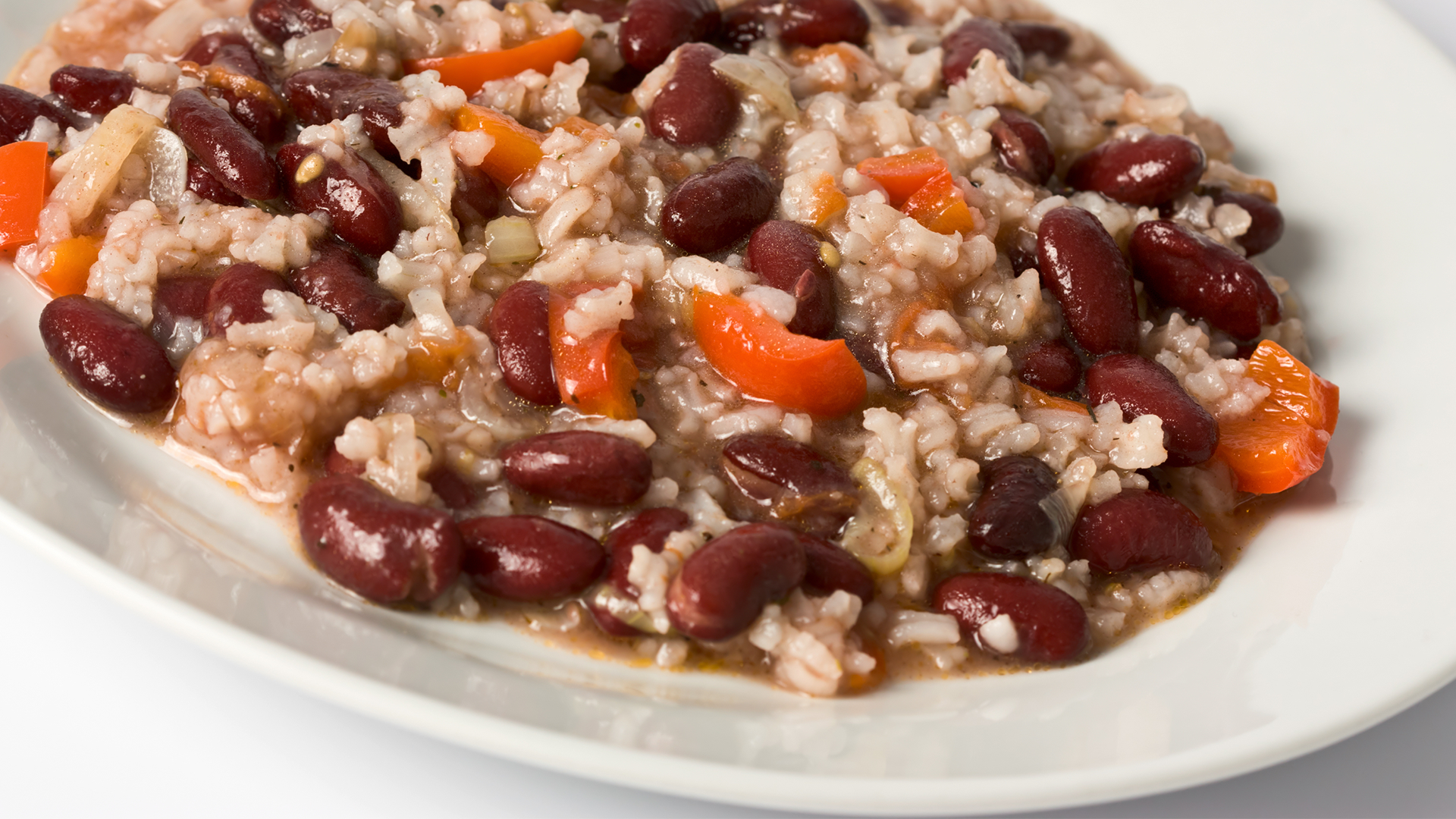
Combine two incomplete proteins together and you have a complementary protein that contains a sufficient amount of essential amino acids. Or does it? Just because two proteins are complementary doesn’t necessarily mean that the combination becomes a high-quality protein. Here's what you need to know.
It seems everywhere you look collagen protein powder and supplements formulated with collagen peptides are appearing on shelves in natural health food stores. Where is this demand coming from and why?
Sign up for our newsletter and let us know what you’re interested in, and you’ll also receive a free E-Book.
30 years of research... and still going.

Give us a try today.
If, for any reason, you don’t like us or our products, simply contact our support team within 60 days and we’ll happily refund you 100% of your payment.
It's our way of making sure you're completely happy with your purchase.

