

 833-264-6620




 By: by Amino Science
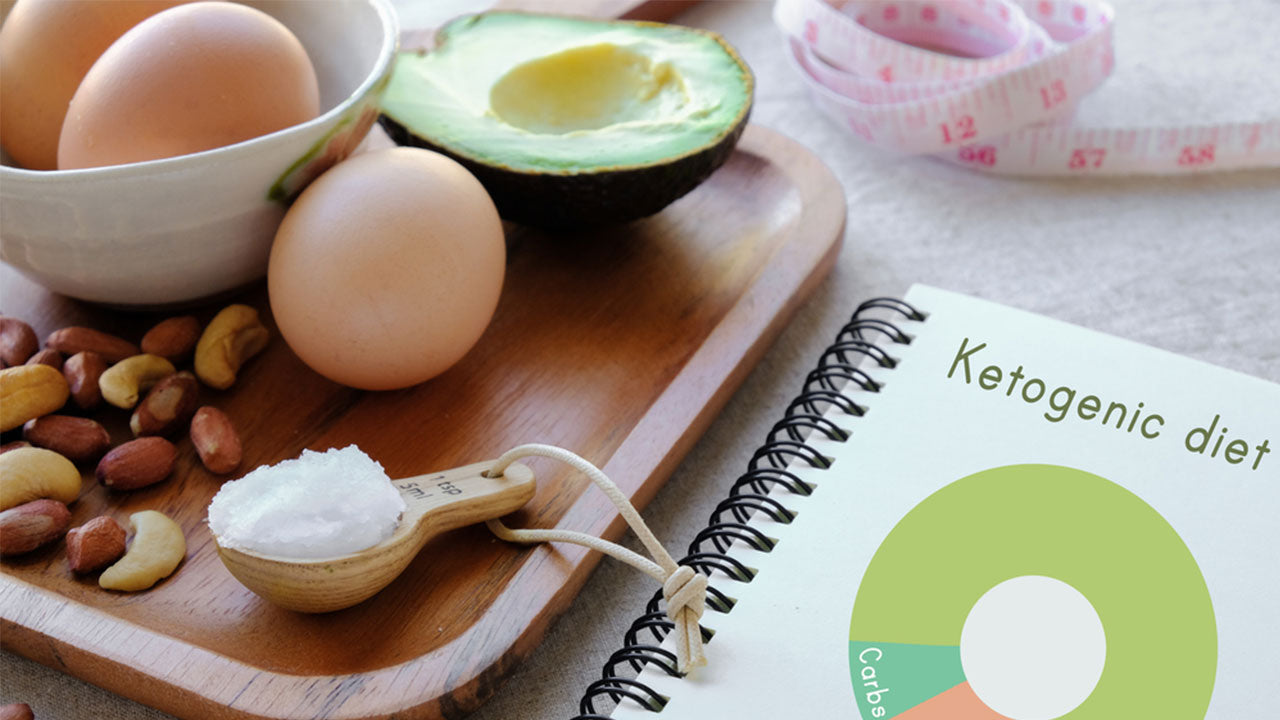
The ketogenic diet was originally developed as a medicinal aid for children with epilepsy, and though it's widely used these days as a weight-loss strategy, it still has practical applications in health care settings. What about in regards to the liver: is keto good for fatty liver? Can it prevent or even reverse fatty liver disease? We have the scientifically backed answers below.
First formulated to help treat epilepsy in children without the use of medications, the ketogenic diet restricts carb and sugar intake to 5% of your calories per day, with 75% of calories consumed devoted to healthy fats and the other 20% reserved for protein. Maintaining these macronutrient ratios triggers a secondary metabolism known as ketosis, which uses the ketones derived from dietary and body fat as fuel, rather than using the easy energy of sugar (glucose) from carbs.
Maintaining a steady state of ketosis can lead to rapid yet safe weight loss, and even has the added benefit of boosting mental performance, as ketones can cross the blood-brain barrier and provide an alternative source of energy for the brain.
Your liver is a large organ located within the right side of your ribcage. It's also one of the hardest-working and most resilient organs you have.
Responsible for (among other things) amino acid processing, fatty acid breakdown, and glucose and fructose digestion, the liver also stores important nutrients for quick dispatch throughout the body and detoxifies your blood of any chemicals, poisons, alcohols, or medicines you ingest. Fatty liver and fatty liver disease interrupt these vital functions.
When more than 5% of your liver cells are composed of triglycerides (fats), you have hepatic steatosis, otherwise known as fatty liver disease.
Fatty liver disease can be caused by heavy alcohol use, known as alcoholic fatty liver disease, or by other lifestyle factors such as poor diet and exercise, which instigate non-alcoholic fatty liver disease (NAFLD). If caught soon enough, each of these conditions can be improved by lifestyle changes, including diet. So, is the keto diet an appropriate way to help heal your liver?
Non-alcoholic fatty liver disease progresses from hepatic steatosis to non-alcoholic steatohepatitis (NASH), sometimes without showing symptoms enough to make you seek medical advice and get a diagnostic liver biopsy. The danger is that by the time the damage to your liver function is palpable, you may be too close to cirrhosis or end-stage liver failure to recover. Though this organ can heal in ways our hearts and brains cannot, chronic inflammation exacerbated by oxidative stress can lead to permanent scarring and irreversible liver damage.
A fatty liver diet help, but shouldn't it be a low-fat diet instead of high-fat, low-carbohydrate diet such as the keto diet? Not necessarily.
While it's true that excess fat buildup in the liver is the exact cause of fatty liver disease, the keto diet actually stimulates a fat-burning state of ketosis that can help remedy the condition without the need for medication. The keto diet also helps prevent other metabolic disorders like type 2 diabetes and heart disease. Here's some proof from clinical trials.
Some of the top causes of non-alcoholic fatty liver disease, outside of having a genetic predisposition or an underlying cause like gut dysbiosis (aka "leaky gut syndrome"), are perfectly matched by a keto diet. Those include:
The type of food we eat is just as important as the amount of food we eat. When it comes to non-alcoholic fatty liver disease, foods full of corn syrup, refined sugar, or processed carbs negatively impact our blood sugar levels and contribute directly to weight gain and ultimately fatty liver deposits.
One recent study on the effects of short-term carbohydrate overfeeding on long-term weight loss and liver fat in overweight adults found that over 3 weeks the addition of juice, candy, and sweetened beverages on top of a normal diet caused a 27% increase in liver fat, even while body fat went up only 2%.
When we consume excess carbs, the liver converts them into triglycerides in a process called "de novo lipogenesis," which translates literally to "making new fat." All that fat created and stored can eventually lead to NAFLD and other metabolic complications. By switching to the low-carb, low-sugar keto diet, you avoid one of the core risk factors for fatty liver disease.
It may seem counterintuitive that consuming a high-fat diet would lead to less fat in the liver, but studies show that not only does restricting sugar intake help improve metabolic health, but increasing healthy fats and protein helps achieve better weight loss than restricting overall calories.
This 2011 study comparing a low-calorie diet with a low-carb, non-calorie restricted diet found that the low-carb group had a 55% liver fat reduction vs. a 26% reduction in the low-fat group after only 2 weeks.
It isn't the dietary fat itself that's the problem. It's how that fat is used and stored in the body. On a low-carb diet like keto, the body is trained to burn all the fat it can find for energy. That means less fat stored and more fat accessed from the places it's been previously stored, which includes a reduction of liver fat.
Another study found that 14 adults with metabolic syndrome eating a Mediterranean keto diet of fatty fish, olive oil, eggs, meat, and cheese experienced significant liver fat reduction, with 3 adults completely reversing NAFLD. All 14 no longer met the standards of metabolic syndrome after 12 weeks. For some, keto may truly be the cure for fatty liver disease, meaning the liver damage is stopped, reversed, and never progresses to life-threatening conditions like liver cancer.
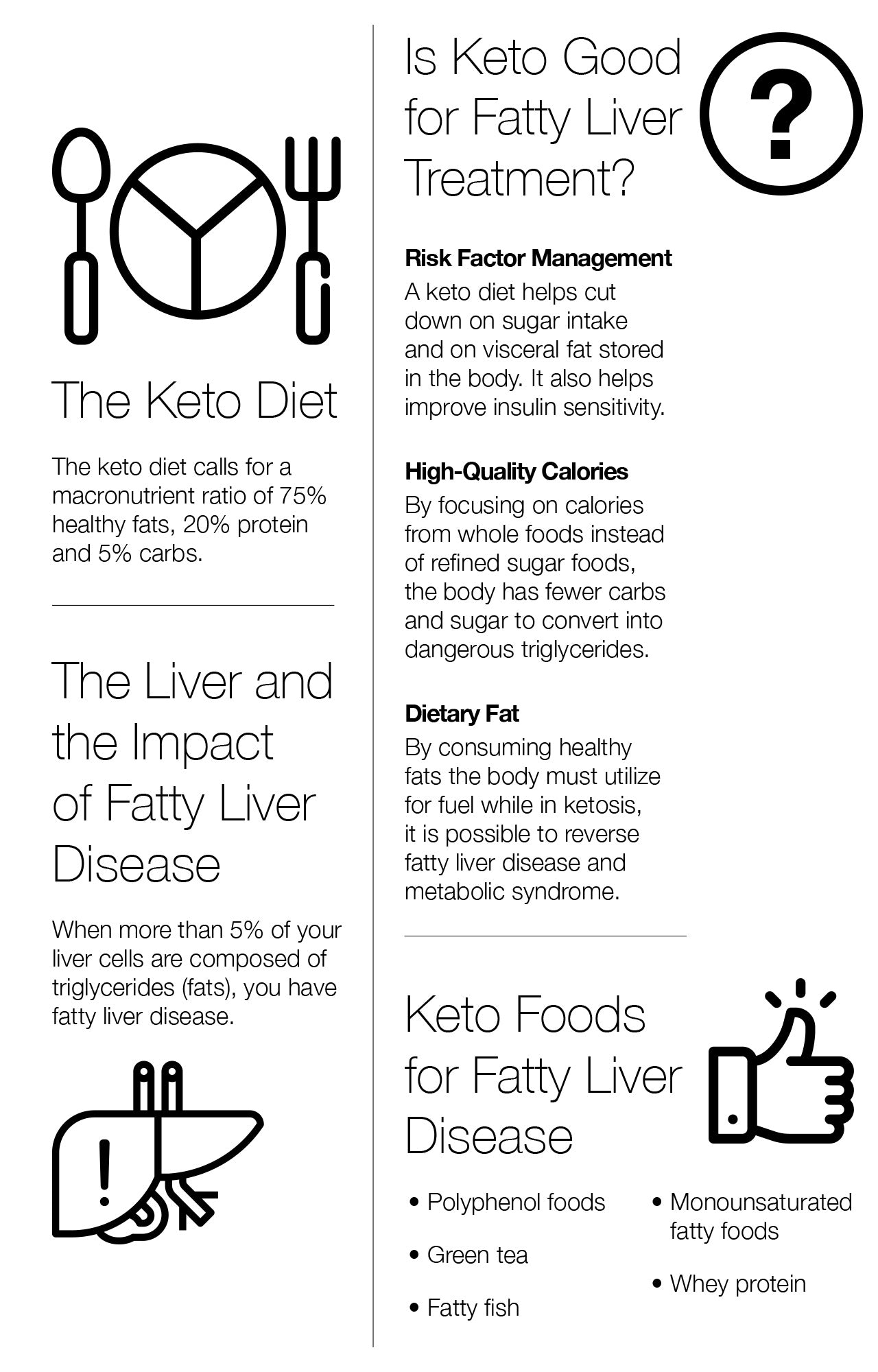
Along with focusing on a liver flush diet, you can start filling up your fridge and pantry with these keto-approved foods that are particularly beneficial to those with or worried about NAFLD.
Fatty liver disease comes with insulin resistance and other markers of metabolic syndrome, and can lead to cirrhosis, NASH, and possibly liver cancer and death. Though the ketogenic diet is a high-fat diet, it works to train the body to burn and utilize fat rather than store it dangerously in vital organs like your liver. A low-carb keto diet and an active lifestyle can help halt liver disease, reverse it, and restore your liver health before it's too late.
Be the first to know about new craveable recipes and tips for living your best life.
Allulose sweetener: is it a keto-friendly sugar alternative? Is it safe for those with diabetes? Can it help you lose weight and feel great? We have these answers and more.
The NASH diet can help you reverse nonalcoholic fatty liver disease naturally and restore your liver to optimal performance. Discover the scientific data behind foods for NASH, plus proven natural remedies such as amino acid supplementation that can help your liver recover faster.
Sign up for our newsletter and let us know what you’re interested in, and you’ll also receive a free E-Book.
30 years of research... and still going.

Give us a try today.
If, for any reason, you don’t like us or our products, simply contact our support team within 60 days and we’ll happily refund you 100% of your payment.
It's our way of making sure you're completely happy with your purchase.

