

 833-264-6620




 By: by Amino Science
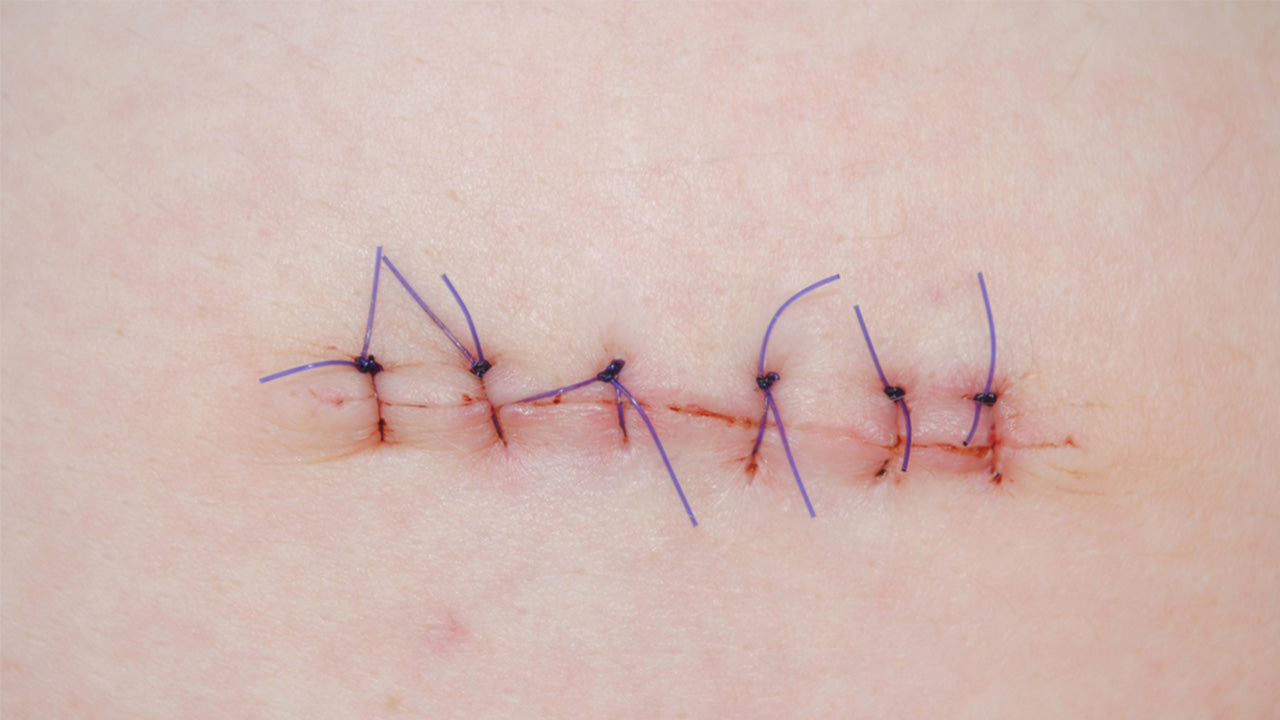
Dissolvable stitches, also called absorbable sutures, are used to close surgical wounds. Absorbable stitches are utilized to aid the healing process without the need for later removal and are often favored over non-dissolvable stitches and staples when it comes to internal wound closure. How long does it take for stitches to dissolve, and what are the top tips to accelerate healing? We have these answers below.
Dissolvable stitches are among the modern marvels that help doctors and surgeons improve their wound closure techniques, just like skin glue and synthetic skin grafts. These absorbable stitches are often created from natural materials that the body can absorb and break down like silk, hair, and collagen made from animal sources, but certain synthetic materials made from polymers like polyglyconate, polydioxanone, polylactic acid, and polyglycolic acid are also able to be absorbed by the body.
Whether closing up a surgical incision or closing the gums after a wisdom tooth extraction, dissolvable stitches are made to disintegrate after a certain amount of time without the need for medical removal.
Depending on the material used to create your stitches, it can take anywhere between a week and 6 months to dissolve. The variables that determine this amount of time include:
The type of stitches used in wound closure often depends on the procedure and location of the wound. These are examples of instances when dissolvable stitches are most appropriate.

If you're sent home to heal with visible stitches, follow these aftercare tips.
Don't be alarmed if a stitch begins to come loose; it's a common occurrence that isn't dangerous to your health. Call the doctor's office for advice or visit them for an evaluation if you're at all concerned with your wound.
If you feel the stitches are ready to come out before they have time to dissolve, it's important that you do not attempt to pull them out yourself without permission. Ask your GP or nurse practitioner to remove the stitches (if it's warranted) if it makes you too squeamish to do so yourself.
The quicker you're able to heal after injury or surgery, the faster you can return to your normal activities. Here are a few tips to help speed up your recovery.
Regardless of whether you have non-dissolvable sutures or dissolvable ones, amino acids are required for tissue repair. Amino acids are naturally present in protein foods, but after a surgical procedure, you need more than the usual daily maintenance amount of these fundamental building blocks. For this reason, doctors often recommend that patients increase their protein intake via shakes or supplementation to help their wounds knit back together as quickly as possible.
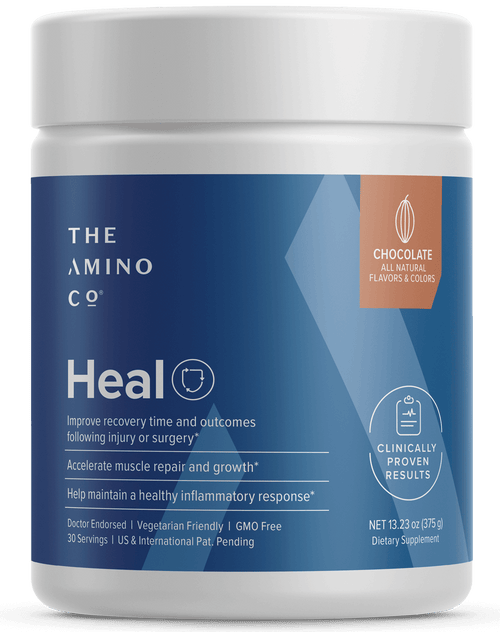
We suggest using our patented Surgical Recovery amino acid blend, which is unique because it contains the full host of the essential amino acids needed for new human muscle and tissue synthesis in a properly balanced ratio. Clinical studies show that it improves physical strength and function as measured at 6 weeks post surgery, and helps patients recover faster and stronger than ever.
Alongside getting extra protein and amino acid intake while you heal, prioritizing your vegetable intake can also help your body recover faster. Foods such as dark, leafy greens (spinach and kale), beets, and mushrooms help fuel your recovery with nutrients like zinc, copper, and vitamin A.
Additionally, while stitches are necessary for optimal healing, your body still may treat them as foreign invaders and do its best to eradicate the material with an inflammatory immune system response. While you're shopping for veggies, consider including herbal supplements and other natural inflammation fighters like turmeric, ginger, and green tea to help reduce pain and relieve your wound of unnecessary inflammation.
While it's absolutely encouraged that you return to your normal routines and exercise as soon as you're able, it's also important to get high-quality sleep each night. By high quality we mean sustained, uninterrupted deep sleep to support the healing process. Research done by the Journal of Applied Physiology suggests that getting a sufficient amount of sleep helps wounds heal faster.
Tips for getting a good night's rest include going to bed at the same time every night, conducting the same bedtime routines and rituals each evening, and sleeping in a cool, dark, and quiet environment.
While you heal it's especially important to avoid alcohol and tobacco products like cigarettes. Those who smoke while they recover from surgery have an increased risk of infection over nonsmokers, and alcohol is literally a poison that the body must divert energy to for the detoxification process.
Keeping your wound clean, dry, and appropriately dressed helps it heal unimpeded. Extra tips for tending to your wound include keeping the surrounding skin moisturized and supple (just be sure not to get any creams or lotion in the open wound), and once it has healed over and any scabbing has fallen away naturally (don't pick at your scabs—they're your body's natural bandaids!), look into products like Mederma and other scar creams to help reduce hyperpigmentation and unsightly scarring.

If you're going in for a procedure, ask your surgeon his or her plans and preferences for the types of stitches they use when suturing a wound. Sometimes both dissolvable and non-dissolvable stitches are used in the same operation, some internal and some external. The more you know about the material holding you together as you heal, the better prepared you are for proper self-care.
Be the first to know about new craveable recipes and tips for living your best life.
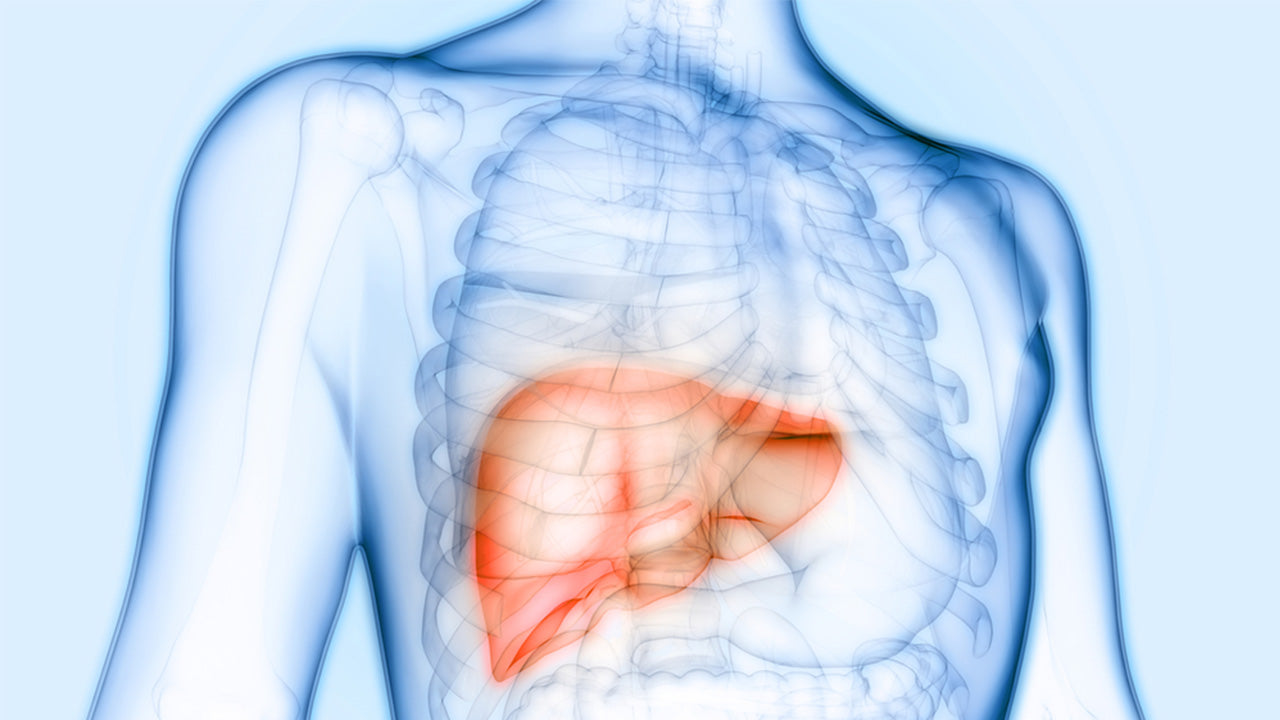
How long does it take to reverse fatty liver disease and what can you do to help speed recovery? Along with dietary and lifestyle changes, there are certain natural supplements including amino acids, milk thistle, and more that can get your liver better faster.

Why do wounds itch, and what can you do to safely relieve that itching sensation? Discover what factors lead to itchiness during wound healing, what can relieve the itch naturally, and how to recover faster with amino acids.
Sign up for our newsletter and let us know what you’re interested in, and you’ll also receive a free E-Book.
30 years of research... and still going.

Give us a try today.
If, for any reason, you don’t like us or our products, simply contact our support team within 60 days and we’ll happily refund you 100% of your payment.
It's our way of making sure you're completely happy with your purchase.

