

 833-264-6620




 By: by Amino Science
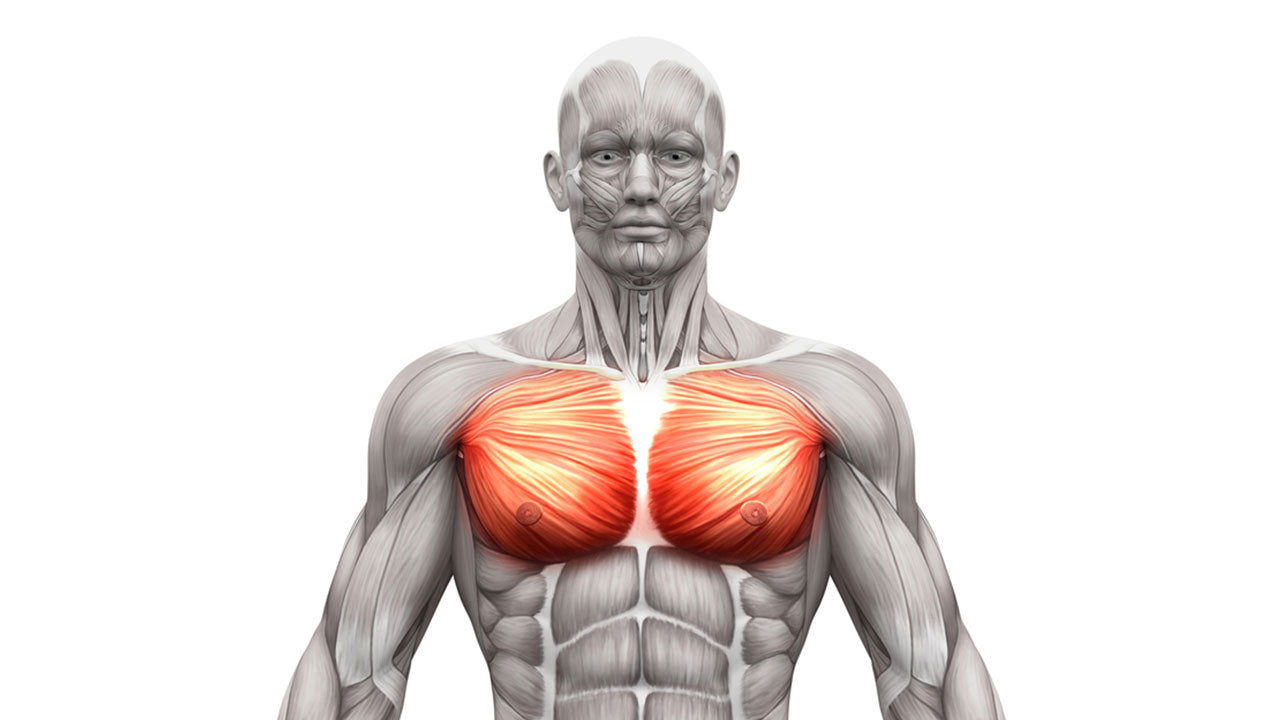
Straining a chest muscle can cause a sharp pain in your chest, a sensation that, if it's anywhere near the heart, may well scare people into thinking they're having cardiac issues. While a pulled chest muscle is not as serious as a heart attack, it is nevertheless painful and not as easy to pinpoint as, say, a pulled hamstring.
Your chest muscles are responsible for supporting your upper body and for helping you breathe properly, and can have a negative impact on the health of your back if they're not in optimal working order. This article discusses the symptoms of a pulled chest muscle, common causes of the strain, and different treatments you can try to find the cure to what ails you.
The major muscles of the chest are the appropriately named pectoralis majors, the fan-shaped muscles that go from your armpits to the center of your breast bone (sternum). These muscles help move your shoulders and keep your arms attached to your body.
The pectoralis minor muscles are smaller triangular muscles under each pectoralis major. They run along your upper ribs (just below your collarbone).
Then there are your intercostal muscles, which run between the ribs and help form the chest wall. They expand and contract your chest cavity to allow for the inflating and deflating of your lungs as you breathe. Straining muscles in this area may make breathing more laborious. As much as 49% of chest pain experienced by people comes from what is known as intercostal muscle strain.

Muscle strains occur when any muscle is overly stretched or torn, and each one needs care and rest to repair itself. The symptoms of a pulled chest muscle may include:
If this pain comes about suddenly due to strenuous activity or exercise, it's recommended that you seek medical attention, as it may be more serious than just a strain.
Chest pain is an emergency if it is also accompanied by dizziness, fainting, sweating, a racing pulse, fever, sudden sleepiness, unexplained irritability, or difficulty breathing: these are signs of a heart attack and should be treated with the utmost seriousness.
If your heart is not involved in the chest pain you're experiencing, then you may well be looking at a strained or pulled chest muscle. This can come about from overuse, from heavy lifting, or from sports like tennis, rowing, golf, or gymnastics, which call for repetitive motions of the upper body. The other common causes of chest muscle strain include:
Keep in mind that certain people may be more at risk of straining their chest muscles. For example, older adults vulnerable to falling injuries have a corresponding higher risk of pulling a chest muscle. Athletes are at high risk due to the nature of competitive playing. Those involved in car accidents also have a higher rate of chest muscle injury, sometimes from the safety devices involved in a vehicle (like seatbelts and airbags in cars).
Children have the lowest risk of experiencing a pulled chest muscle because of their higher flexibility, which is why it's always important for us non-children to stretch properly not just before sports, but before any strenuous activity. Basically, break out the yoga mat before you rearrange the living room furniture to repaint the walls: it might save you from being sore and achy the next day (or for the rest of the week).
Since it's easy to suspect pain in the chest area as a potentially life-threatening issue with your cardiovascular health, a visit to the doctor may be in order. Rest assured: it's not a waste of anyone's time, because depending on the severity of the injury, a pulled chest muscle could lead to chronic back pain and may need a physical therapist to fully remedy. A doctor may first rule out heart disease or other medical conditions (like broken bones, which may call for an X-ray) as the cause of your pain, and then conduct a physical exam to evaluate the severity of the sprain.
It's important to seek medical advice when you're experiencing chest pain, because other causes may include:

If your pain is indeed caused by a pulled muscle, the doctor will first evaluate whether your muscle strain is acute or chronic.
The doctor will then likely assign a grade to the strain according to the level of severity.
The first and standard response to a muscle strain anywhere is RICE: rest, ice, compression, and elevation. How does that work for your chest?
If your doctor sends you home with general advice, you may choose to use nonsteroidal anti-inflammatory drugs like ibuprofen to help alleviate the pain. This should be fine as long as you follow the instructions and don't mix them with any other medications—ask your doctor directly if you have any hesitations or questions about taking painkillers. Ask also about dietary supplements that can help you rebuild and heal muscle faster, like amino acid supplementation.
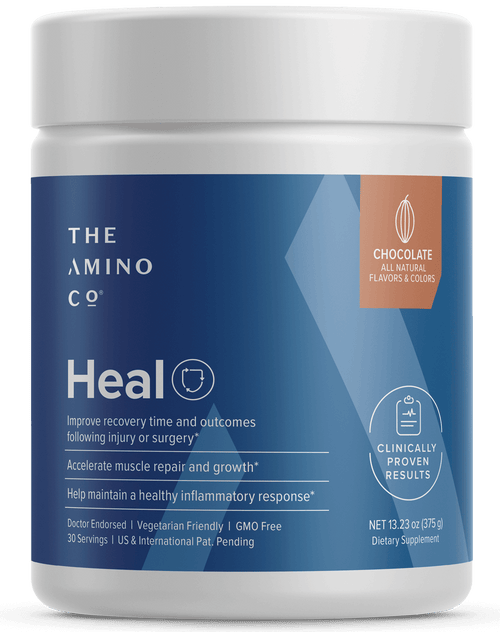
Heal is a doctor-developed amino acid supplement proven to improve physical strength and function as measured at 6 weeks post surgery. You can learn more about how Heal works here.
For chronic strains, better treatment may involve wearing braces at work or while sporting, attending physical therapy, or changing your exercise routine to build strength in the surrounding areas.
For severe tears, if surgery is suggested, discuss your care and concerns directly with your medical team and surgeon. While light strains may be brushed up with a little rest and self-care, chest injuries that limit your breathing could put you at greater risk of a lung infection, so breathing exercises may be advised and are easy to perform at home.
Amino acids are the nutrients that make up our cells, build up our muscles, and provide us with sustained energy throughout the day. Not only do they help our muscle tissues heal faster after a strenuous workout, but they also offset the physical stress caused by pulled muscles, strains, other injuries, and even surgery.
When your body is in need of some TLC, amino acids help by:
Through years of scientific research, The Amino Company has developed the precise ratio of amino acids needed to help you recover faster and stronger from surgeries and injuries like a pulled chest muscle. Click here to find out more about this clinically proven and tested Recovery Blend.
Depending on the severity of your injury, you may be able to return to physical activity quickly, right back to the bench press. However, if returning to normal activity continues to cause pain, you may need a longer recovery period for complete pain relief.
To prevent future muscle strains, be sure to warm up before exercise or strenuous activity, be careful when lifting heavy objects, climbing or descending stairs, or lifting weights, and above all listen to your body when it twinges or aches. No one knows your body and its limits like you do, and becoming aware of an injury before it becomes chronic can save you from a lifetime of pain and complications.
Be the first to know about new craveable recipes and tips for living your best life.
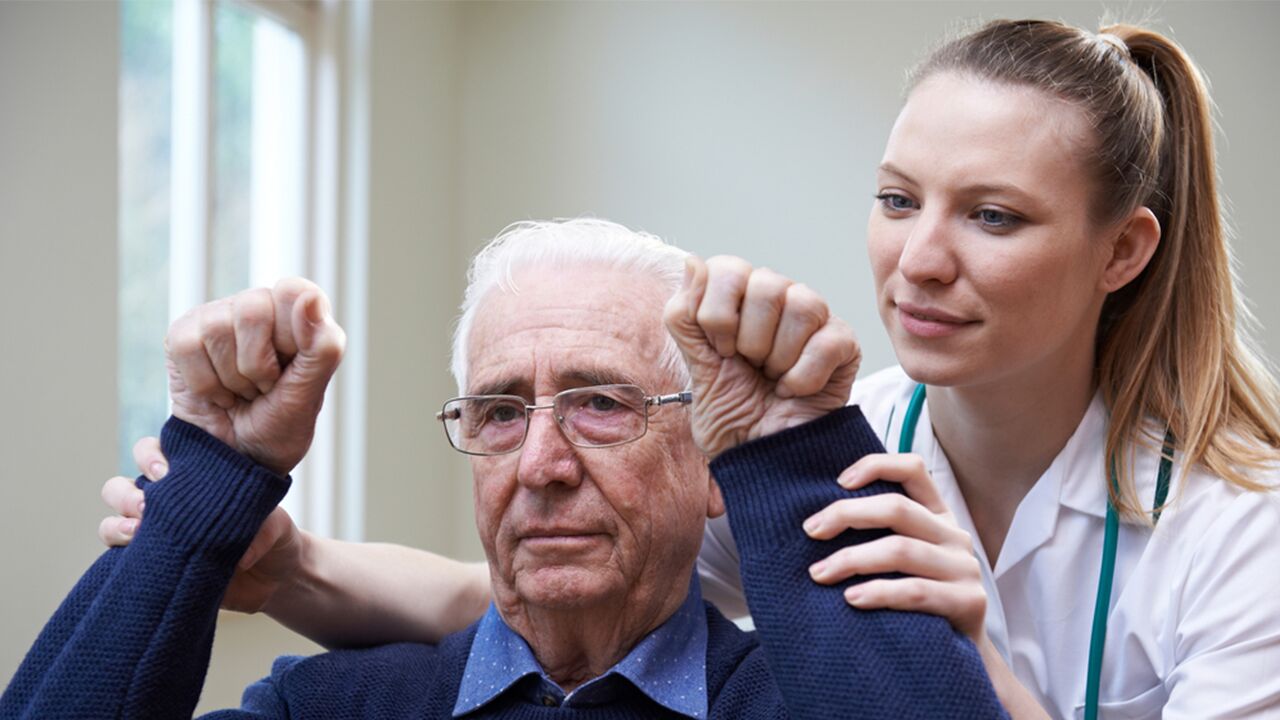
A stroke occurs when blood flow to part of the brain is cut off or reduced. Can amino acid supplements help during stroke recovery? The latest research shows promising results regarding the effects of amino acids on patients during exercise and recovery.

Learn the basics of ACL placement, injury risk factors, replacement procedures, and the top five tips for how to accelerate your post-op healing after an ACL restoration surgery.
Sign up for our newsletter and let us know what you’re interested in, and you’ll also receive a free E-Book.
30 years of research... and still going.

Give us a try today.
If, for any reason, you don’t like us or our products, simply contact our support team within 60 days and we’ll happily refund you 100% of your payment.
It's our way of making sure you're completely happy with your purchase.

