

 833-264-6620




 By: by Amino Science
What does shoulder surgery for a torn rotator cuff tendon entail, and how much time does it take to make a full recovery? We have the details of what happens during a rotator cuff injury, the symptoms you need to identify as quickly as possible, plus what you can expect from the rotator cuff surgery recovery timeline.
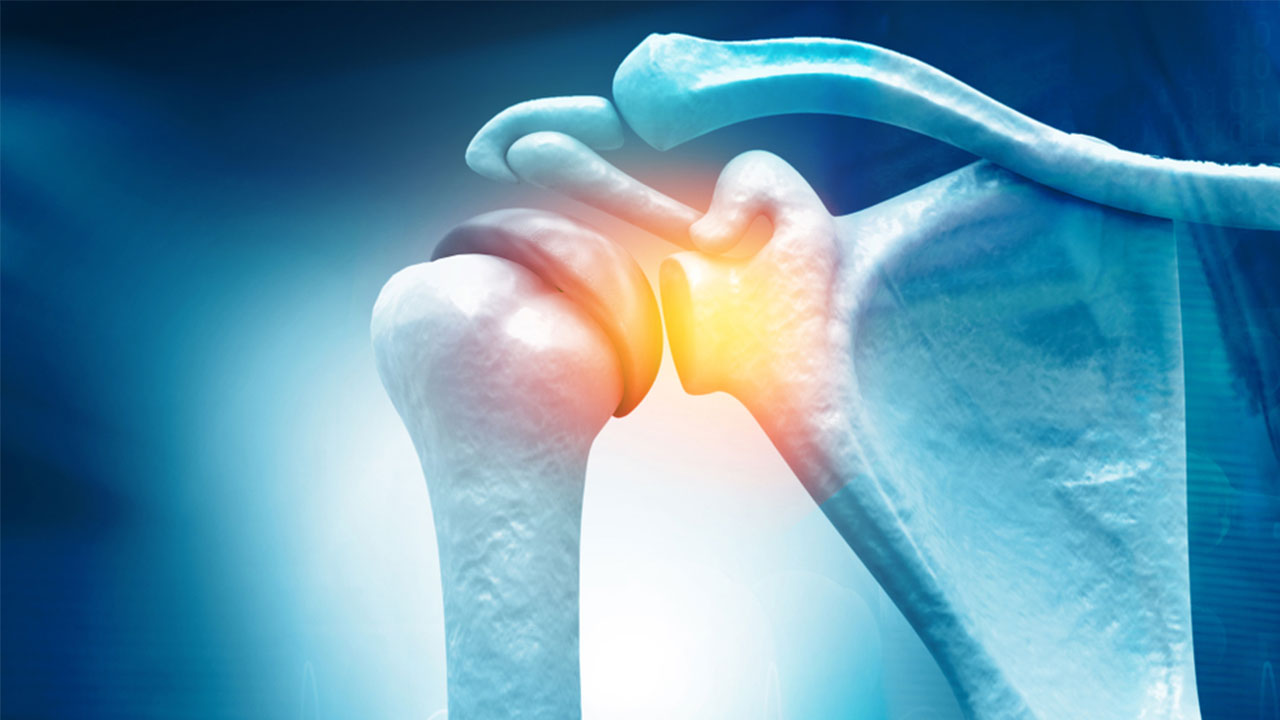
Rotator cuff tears are rather common, sometimes seen in sports medicine due to injury (tennis, anyone?), and sometimes the result of the natural wear and tear of aging or repeated use. Problems arise when the front of the scapula rubs against or cuts into the tendon, causing inflammation and partial or complete rotator cuff tears.
The rotator cuff stabilizes the shoulder joint, allowing for shoulder movement and granting the arm enough strength and power to pitch a ball, swing a sledgehammer, or playfully toss a child over your head.
There are four muscles and their respective tendons (which connect muscle to bone, whereas ligaments connect bone to bone) associated with the rotator cuff, all responsible for the lifting and rotating motion of your arm. Here are those muscles.
The rotator cuff itself is the link between the humerus bone (upper arm) and your shoulder blade. Also present in the joint are lubricating sacs called bursae that help to cushion and lubricate this joint and many others throughout the body. When the shoulder is injured, the bursa sacs may become inflamed and contribute to shoulder pain.

When the rotator cuff tendon is torn, the arm it's attached to loses a large amount of function, halting your normal activities in their tracks—movements as common as turning the steering wheel of your car or fishing your keys out of your pocket. Rotator tears vary in severity.
Many actions or accidents can cause rotator cuff tears, including falling down on an outstretched arm (an acute tear that may come with a dislocated shoulder or broken collarbone) or shoulder injury caused by aging and overuse (a degenerative tear).
Repetitive stress can contribute to degenerative damage. This stress can come from sports like rowing, baseball, tennis, and weightlifting, which involve the same motion performed again and again. Another contributing factor could be the development of bone spurs (bone overgrowth) that then irritate and fray your tendons as you move about normally. Yet another factor could be the loss of ample blood flow to the area caused by aging that slows down healing and allows minor damage to compound like accruing interest.
Regardless of what causes your rotator cuff injury, it's important to identify the symptoms as soon as possible to prevent possible irreversible damage. These include:
It's easier to identify an acute tear than an injury due to overuse, as those symptoms have a slow onset and can easily be attributed to general aches. Degenerative pain is often easily masked via the use of over-the-counter pain medications like ibuprofen, at first.
If your shoulder pain persists and NSAIDs like aspirin no longer work for pain management, it's a sign that there's an underlying issue and it's advised that you see a medical professional, an orthopedic surgeon, or even a physical therapist as soon as possible for advice.
A doctor will most likely begin the diagnostic process by taking your medical history and asking specific questions about the nature and duration of your shoulder pain.
Next may be a physical examination to test your shoulder strength, and imaging tests like X-rays and MRIs may be ordered to decide whether you need a surgical procedure and what type of surgery is best for your condition. That decision will hinge on your general health, activity level, the size of the tear, and more, all issues that must be addressed one-on-one with your health care provider.
A tear to the rotator cuff muscle or tendon may not be able to heal on its own, but every case varies.
The highlights of nonsurgical remedy include avoiding potential risk factors like permanent stiffness, infections, complications from anesthesia, or lengthy recovery time. However, sometimes surgery is truly the only option, and fortunately there are ways to safely speed up your recovery time.

Rotator cuff repair surgery is performed under general anesthetic to help relieve pain and restore full motion to the arm and shoulder. A nerve block is often performed prior to the anesthesia, a procedure that temporarily blocks the shoulder and arm's feeling, allowing for less pain medication to be necessary during the procedure and recovery. This reduces grogginess post-op and is far safer for the patient.
Arthroscopic rotator cuff repair, aka keyhole surgery, is another way physicians help their patients avoid unnecessary pain, lengthy follow-up rehab, and excessive scar tissue. Arthroscopic procedures are done with minimally invasive tools and techniques, avoiding large incisions, reducing infection opportunities, and shortening recovery times.
While you're under the knife, a small "keyhole" incision is made, and the surgeon reattaches the tendon to the bone using precise arthroscopic instruments (like an arthroscope). Sometimes the bursa (one of over 150 lubricating sacs throughout the body) is removed during the procedure to help reduce inflammation, and the bone above the bursa may be resected to clear extra space for the tendon to move without bone interference.
Dissolving stitches are then utilized so there's no need for subsequent surgery to remove them, and with such a small incision, patients are able to return to normal bathing quickly after they are sent home.
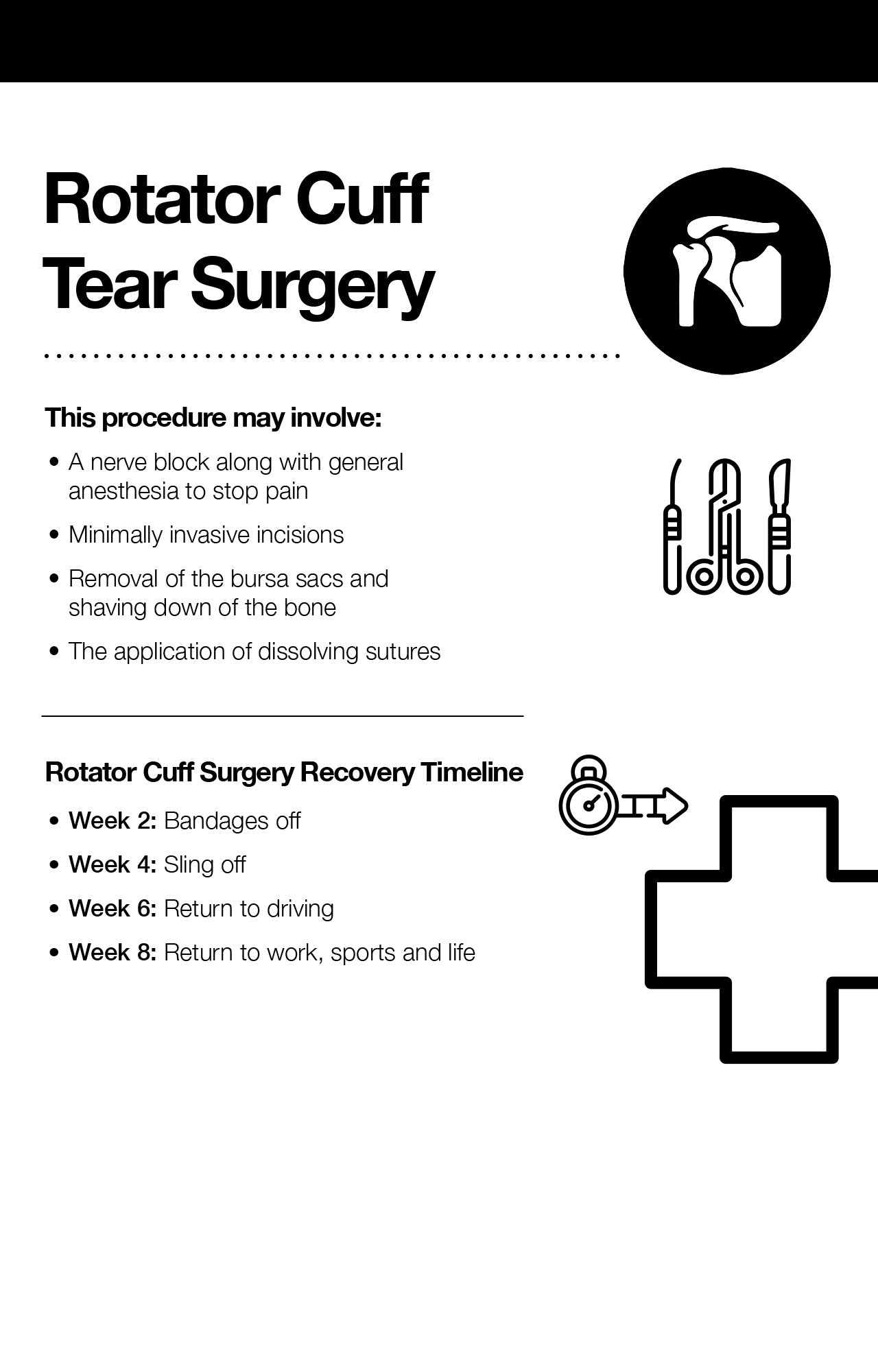
Even in the best-case scenario with top-of-the-line techniques, recovery still takes time. Here's a breakdown of the timeline for rotator cuff surgery recovery.
Full recovery may take up to 6 months to feel like yourself again after a surgical repair. What may help speed up recovery and more importantly a rapid return to full strength is targeted amino acid supplementation. Rebuilding soft tissues like muscles, collagen, and connective tissues require first and foremost the nine essential amino acids that humans cannot synthesize themselves. Your doctor may advise consuming a protein shake each day to increase your supply of these amino acids, but an essential amino acid supplement can do the same much faster. Learn how here.
Be the first to know about new craveable recipes and tips for living your best life.

Can you walk with a torn ACL? Find out when it's time to get medical advice, whether your knee injury requires surgical intervention, and how long ACL recovery takes.
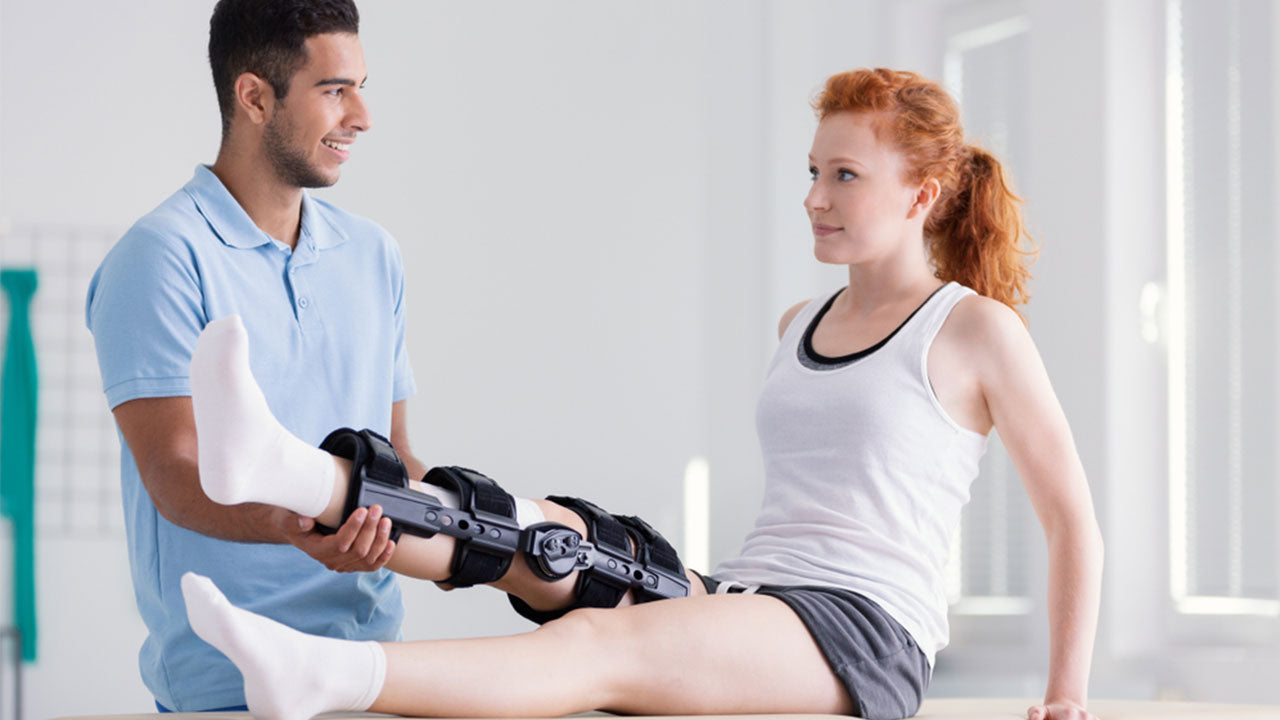
Learn about what makes the medial collateral ligament in your knee vulnerable, and use these MCL surgery recovery tips to get back in the game as quickly as possible.
Sign up for our newsletter and let us know what you’re interested in, and you’ll also receive a free E-Book.
30 years of research... and still going.

Give us a try today.
If, for any reason, you don’t like us or our products, simply contact our support team within 60 days and we’ll happily refund you 100% of your payment.
It's our way of making sure you're completely happy with your purchase.

