

 833-264-6620




 By: by Amino Science

Top surgery is reconstructive surgery that modifies chest shape, size, and appearance to look either more flat-appearing (chest contouring) or enlarged (breast augmentation). Gender-affirming surgeries such as top surgery help improve the well-being of trans and gender-diverse individuals, providing relief from gender dysphoria by aligning gender identity with sexual characteristics. This article reviews the types of top surgery, what to expect, how to prepare, and how to accelerate top surgery recovery with amino acids.
Top surgery refers to a range of chest reconstruction procedures that alter the chest to appear less like the gender assigned at birth and more like the gender the patient identifies with. The cost varies according to procedure, location, surgeon, and insurance coverage but typically ranges from $3000 to $10,000.
The most common FTM top surgery procedures include double incision, periareolar, and keyhole techniques.
Also referred to as bilateral mastectomy with nipple grafts, double incision is advised for individuals with larger chests and bodies. This outpatient procedure usually lasts 3-4 hours and can come with significant scarring and decreased nipple sensation. The procedure requires removing the nipples, reducing their size, and then repositioning them on the chest for a more masculine appearance.
The overall revision rate for top surgery recovery is approximately 24%, with axillary dog-ear revision accounting for the most common. “Dog ears” refer to the excess skin and fat that furrows out over the incision line. Many doctors avoid dog ears by performing additional liposuction at the sides of the chest. On your end, you can check to see if dog ear repair is included in your surgeon's revision policy, as it tends to be as pricey as the original surgery, and maintain as close to your ideal weight as possible before surgery.
Periareolar, or circumareolar, top surgery is the surgery of choice for individuals with a smaller chest size, such as an A or B cup. Also an outpatient procedure, periareolar surgery takes about 3-5 hours and preserves most if not all nipple sensation as well as less noticeable scarring. There is, however, a significant depreciation in nipple sensation in the days right after surgery, and 40-60% of patients require revisions to achieve the desired look.
There are very few good candidates, as keyhole top surgery demands an extremely small chest and tight skin because no excess skin is removed during surgery, which can last up to 3 hours. While there is only minimal scarring and nipple sensation is maintained, the nipples cannot be placed in a different position on the chest.
As with other types of surgery, top surgery comes with the risk of blood clots, infections, and reactions to anesthesia. Complications specific to FTM/FTN top surgery include:
Breast augmentation or augmentation mammoplasty lasts 1-2 hours, during which patients are under general anesthesia. The exact procedure varies according to chest size, implant type, and incision location.
Silicone implants are filled with silicone gel and have a more natural feel, while saline implants filled with saltwater are less expensive and inserted through a tinier incision.
Incisions are made either under the armpit, along the areola, or under the skin fold that bridges your chest and breast tissue. The implant is then inserted in the pocket below or above the pectoral muscle.
Complications specific to MTM/MTN top surgery include:
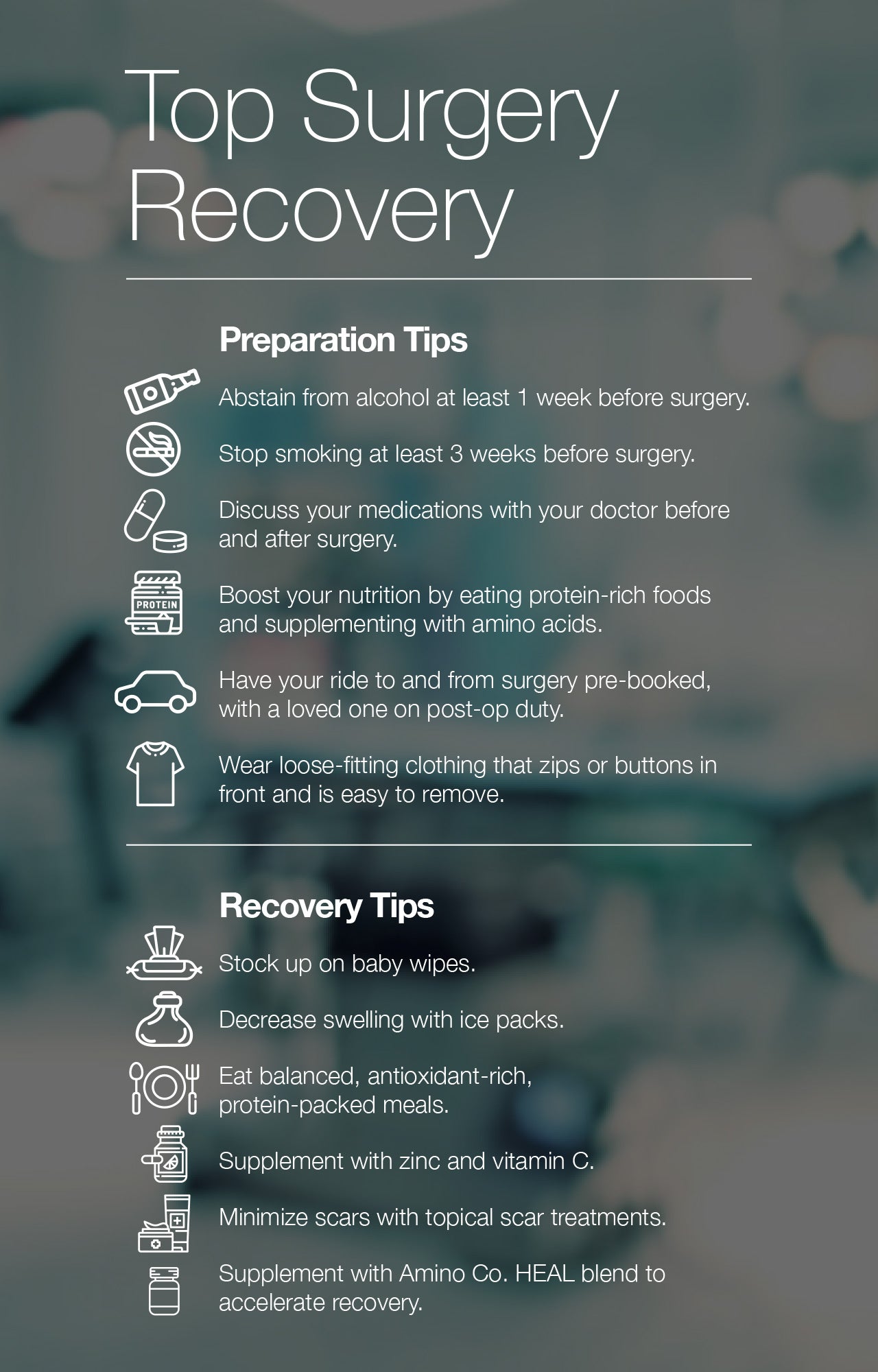
Properly preparing for any surgery can help reduce the risk of complications and accelerate recovery.
To enhance your top surgery recovery, follow this preparation guide:
While complete recovery from top surgery can take up to 6 months, 2 weeks is the recommended time off for the first phase of recovery.
The first few days after surgery are the most painful, and many top surgery patients report additional discomfort from the compression binder that holds the dressings over the incision or grafts in place. Your doctor should send you home with pain medication to reduce the discomfort or recommend the use of nonsteroidal anti-inflammatory drugs (NSAIDs) such as ibuprofen.
The first week necessitates sleeping on your back so you don’t add weight or pressure to the chest area.
Post-op appointments are typically about a week after surgery and involve removing the bandages and making sure there are no signs of infection.
Swelling and bruising decline in about 2-3 weeks but can take 4-6 months to completely subside.
You can return to light activities, such as walking, as soon as you feel up to it, but must avoid any strenuous activity or heavy lifting for at least 6 weeks. That includes lifting anything above your head or heavier than a gallon of milk for a minimum of 3 weeks after surgery. In about 6-8 weeks, and upon your doctor’s okay, you can resume athletic activities and exercise.
Amino acids are the building blocks of protein and provide the essentials for creating new muscle tissue, protecting against muscle loss post surgery, fighting infection, and improving health outcomes. While there are no studies specifically highlighting the benefits of supplementing with essential amino acids (EAAs) for top surgery recovery, there are numerous studies that show how amino acids reduce the recovery period of other types of illnesses and injury.
A 2014 study highlighted the ability of EAAs to offset muscle loss in non-affected limbs after a stroke. Patients who supplemented with 8 grams of EAAs a day corrected excessive muscle loss in the unaffected arm.
Other studies have found that EAAs stimulate muscle protein synthesis even in the presence of infection, and can lower the incidence of infection by up to 30% in patients with brain injury and hospitalized elderly patients.
Studies focusing on recovery from hip fracture or hip replacement surgeries show that supplemental EAAs speed wound healing, improve walking recovery rate, and decrease pain.
An oft-cited 2013 study of patients who underwent knee replacement surgery found that taking EAAs 1 week prior to and 2 weeks after surgery protects against quadricep and hamstring muscle wasting in both legs and accelerates recovery of functional mobility.
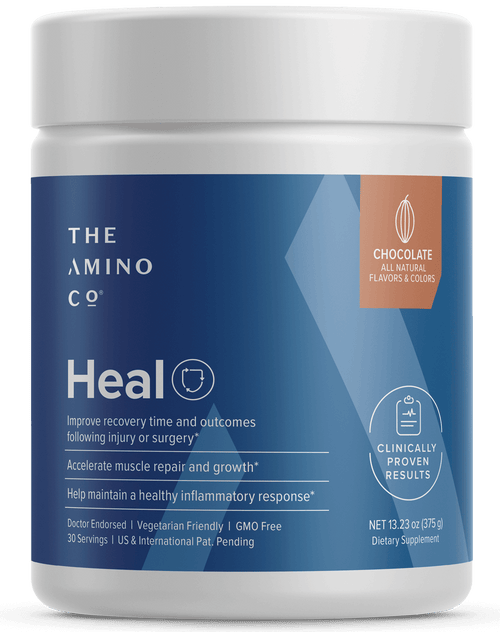
The healing capabilities of essential amino acids are maximized in Amino Co's Heal. To find out more about supplementing with essential amino acids prior to or after your top recovery surgery, click here.
Driven by a desire for gender identity alignment, top surgery involves the body, mind, and soul and requires dedicated care and understanding. As you further investigate whether top surgery is for you, it’s important to prioritize finding a plastic surgeon who makes you feel comfortable and is properly trained in transgender and gender-affirming procedures.
Be the first to know about new craveable recipes and tips for living your best life.
Learn the basics of ACL placement, injury risk factors, replacement procedures, and the top five tips for how to accelerate your post-op healing after an ACL restoration surgery.

Recovery almost inevitably involves regaining the weight that was lost. It is important that the regained weight is largely muscle, and that you don’t replace the muscle you lost with new fat. The key to gaining good weight is optimal amino acid nutrition.
Sign up for our newsletter and let us know what you’re interested in, and you’ll also receive a free E-Book.
30 years of research... and still going.

Give us a try today.
If, for any reason, you don’t like us or our products, simply contact our support team within 60 days and we’ll happily refund you 100% of your payment.
It's our way of making sure you're completely happy with your purchase.

