

 833-264-6620




 By: by Amino Science

Barrett’s esophagus is a condition in which the normal lining of the esophagus is replaced by tissue similar to that lining the intestines. According to at least one estimate, the disorder may affect as many as 18 million Americans. Unfortunately, while Barrett’s can sometimes lead to the development of cancer of the esophagus, health care providers believe only a fraction of people with the condition are actually aware they have it.
If you’re concerned about your esophageal health, read on to learn about the symptoms and causes of Barrett’s esophagus and what you can do to protect yourself from esophageal cancer.
While the exact cause is unknown, Barrett’s esophagus is most often seen as a complication of long-standing gastroesophageal reflux disease (GERD)—the condition in which stomach acid washes back, or refluxes, into the esophagus. However, Barrett’s may also be seen in people who’ve never experienced symptoms of GERD.
Interestingly, the tissue changes that occur with Barrett’s esophagus cause no symptoms on their own, so any symptoms that might be experienced will be related to GERD. Symptoms of GERD to watch out for include:
If you’ve been diagnosed with GERD or are experiencing ongoing symptoms of acid reflux, don’t hesitate to contact your health care provider for a consultation.
Beyond its association with long-standing GERD, the risk of developing Barrett’s esophagus is also higher among certain groups. Risk factors that contribute to your chances of developing the condition include:

The esophagus is lined with a type of mucosa that’s largely made up of squamous cells, which are flat cells similar to those seen on the surface of the skin. By contrast, intestinal mucosa is largely composed of goblet cells whose main purpose is to secrete a protective layer of mucus.
Each time stomach acid flows up into the esophagus, it damages the esophageal lining. And over time, the constant attempts by the esophagus to heal and protect itself can cause the normal squamous cells of the esophageal lining to be replaced by the goblet cells of the intestines. When this happens, it’s called intestinal metaplasia and is the hallmark of Barrett’s esophagus.
Although the risk is small, this Barrett’s tissue can sometimes become precancerous (dysplastic) or even cancerous. In fact, the National Institutes of Health (NIH) estimates that about 0.5% (or 1 in 200) of people with Barrett’s develop esophageal cancer each year.
The percentage of people with GERD who go on to develop Barrett’s esophagus is also relatively small, and those who do may have the condition for years before cancer develops. However, cancer of the esophagus is now considered the fastest growing cancer in the United States.
Moreover, people with Barrett’s are 30 to 125 times more likely to develop esophageal adenocarcinoma than those without the condition. It’s thus recommended that all individuals with GERD be regularly evaluated to check for the presence of Barrett’s.
In order to diagnose the presence of Barrett’s, an upper endoscopy must be performed. During an endoscopic procedure, a lighted, flexible tube with a camera on one end is passed down the throat and into the esophagus, where biopsies (tissue samples) are taken.
While normal esophageal tissue appears pale and glossy, in Barrett's esophagus, the tissue instead tends to appear red and velvety. However, in the early stages of the condition, it can be almost impossible to detect changes related to Barrett’s without a microscopic evaluation. Therefore, your health care provider will take biopsies from multiple areas of the esophageal lining.
After conducting a microscopic evaluation, your tissue samples may receive one of five classifications:
Your health care provider’s recommendations for treatment of your Barrett’s esophagus will depend on your overall health and the extent of damage to your esophageal mucosa. However, treatment will most likely consist of some type of procedure in combination with medication, diet, and lifestyle changes.
If you’ve been found to have no dysplasia or indefinite dysplasia, treatment will most likely include a follow-up endoscopic examination in a year and periodic examinations thereafter to monitor for any changes in your esophageal mucosa.
If you’ve been found to have low-grade dysplasia, an endoscopic mucosal resection to remove abnormal cells or radiofrequency ablation to remove abnormal tissue may be recommended.
While esophagectomy—the removal of part or all of the esophagus—was once considered the treatment of choice for both high-grade dysplasia and intramucosal adenocarcinoma, the procedure carries with it substantial risks, including higher rates of death and complications and lowered quality of life.
Consequently, because esophageal cancer is associated with low rates of metastasis, most health care providers now choose to use less invasive techniques, including:
As GERD is most often associated with the development of Barrett’s esophagus, managing its symptoms is an integral part of preventing the damage that can lead to Barrett’s.
To reduce the amount of acid produced by the stomach and help prevent further damage to the esophagus, your health care provider may prescribe an acid suppression medication. Proton pump inhibitors (PPIs) are the most commonly prescribed class of drugs for this purpose. Examples of this group include:
It should be noted that these drugs come with their own risks of serious side effects, including decreased absorption of calcium and magnesium and increased risk of infections. Early studies also reported a link between long-term PPI use and increased risk of dementia, though later studies have resulted in mixed findings.
Regardless, to decrease symptoms of GERD over the long run and increase quality of life, dietary changes should be initiated as well. Some of these changes include:
Finally, certain additional lifestyle changes can also help decrease GERD symptoms and aid esophageal healing. These include:
If you or someone you care about has a family history of Barrett’s esophagus or has made diet and lifestyle changes and is still experiencing symptoms of GERD, be sure to speak with your health care provider about additional steps you can take to avoid damage to your esophagus and protect your long-term health.

Be the first to know about new craveable recipes and tips for living your best life.

Colon cancer affects men and women, and the symptoms are usually the same for both. So what are the signs of colon cancer? What is the recommended age to start screening for colon cancer, and how do you know if you should be screened early?
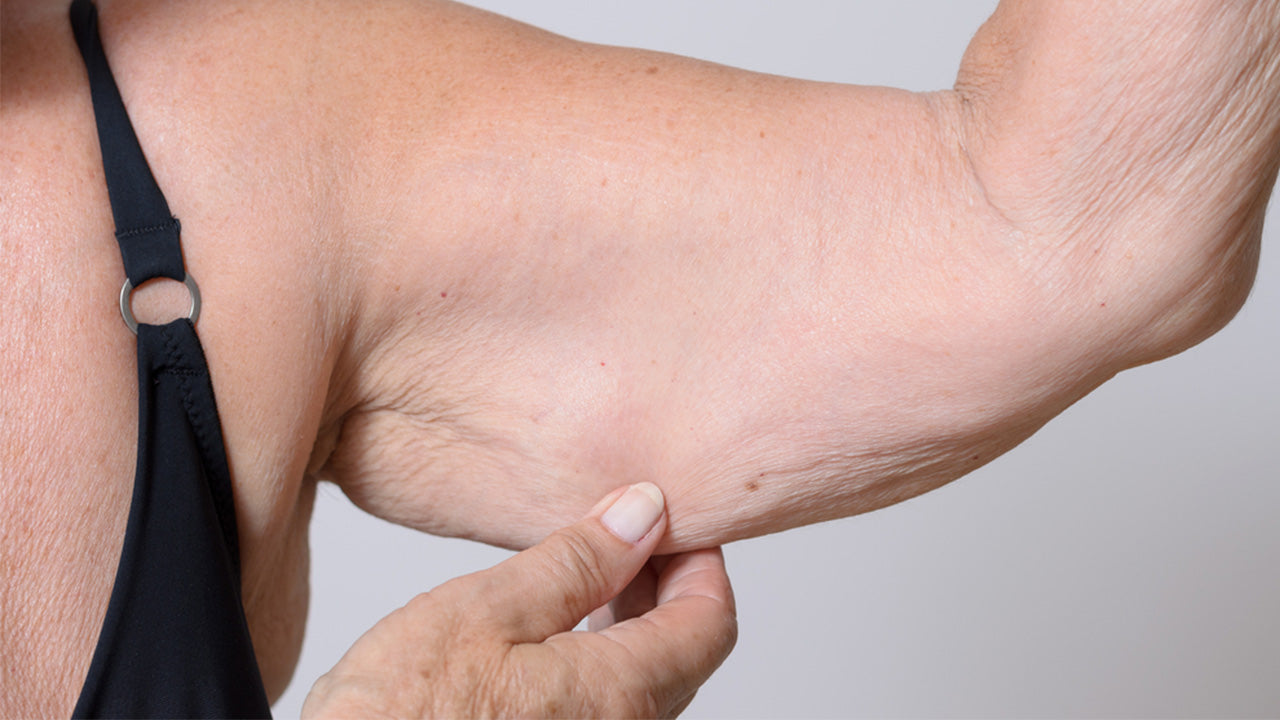
Maximize the ability of autophagy, a cellular cleansing process, to prevent loose skin after weight loss, chronic diseases, and even cancer. Read on to learn about the science behind autophagy as well as how it can help those on weight-loss journeys.
Sign up for our newsletter and let us know what you’re interested in, and you’ll also receive a free E-Book.
30 years of research... and still going.

Give us a try today.
If, for any reason, you don’t like us or our products, simply contact our support team within 60 days and we’ll happily refund you 100% of your payment.
It's our way of making sure you're completely happy with your purchase.

