

 833-264-6620




 By: by Amino Science

“I’m too young for colon cancer,” is a common refrain, but it also demonstrates the misconception many people have about this potentially deadly disease, as colon cancer, or colorectal cancer, is often thought of as an “elderly” cancer—a cancer that doesn’t affect people at a younger age. While it’s true that most cases of colon cancer occur after age 50, the condition can develop at any age, particularly in those with a family history of the disease. But what are the signs of colon cancer, what’s the recommended age to start screening for the disease, and how do you know if you should be screened early?
According to the American Cancer Society, colon cancer is the third leading cause of cancer-related deaths in adults in the United States, and more than 100,000 new cases are estimated to be diagnosed in 2019.
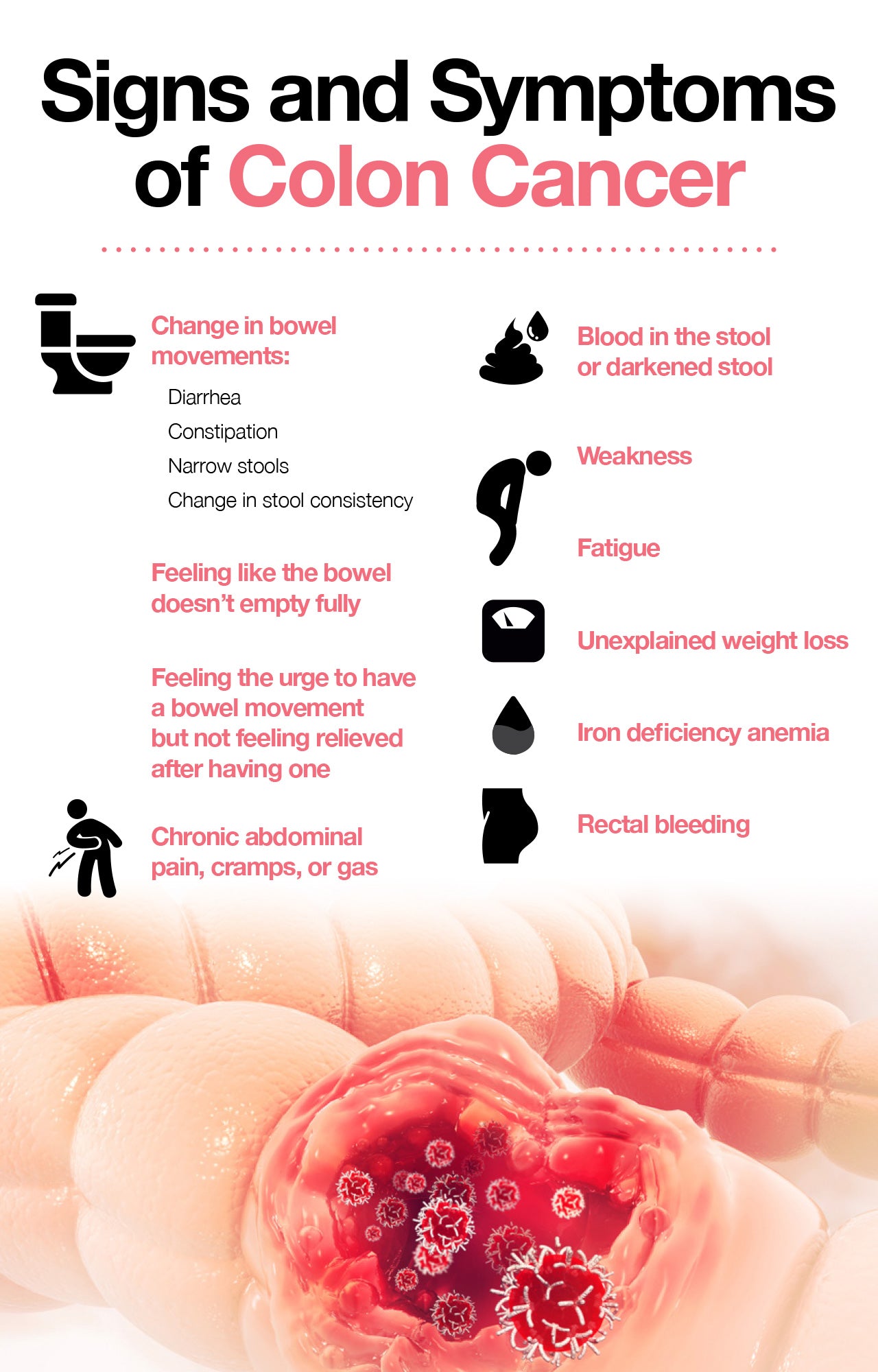
Despite the fact that symptoms of colon cancer don’t always appear in the early stages of the disease, symptoms do occur, though they may differ based on the size and location of the cancer. However, typical warning signs to look out for include:
Because colon cancer symptoms may be vague or overlap with other conditions, such as irritable bowel syndrome (IBS) or ulcerative colitis, regular screenings are important for ruling out other causes.
Like other cancers, early detection is key when it comes to treating colon cancer because the earlier the cancer is found, the better the odds of beating it. And cancer caught via early screenings often has the best outcome, as it usually hasn’t had a chance to spread to other parts of the body.
In addition, the majority of colon cancer cases develop from colon polyps, which don’t always present with symptoms, so screening to check for them is crucial for diagnosing colon cancer early.
The Centers for Disease Control and Prevention (CDC) recommends that regular colon cancer screenings begin at age 50 in those who aren’t at increased risk of developing colon cancer. However, the American Cancer Society recommends that those at average colon cancer risk begin regular screenings at age 45.
Given this difference in opinion, it’s best to discuss what age is right for you with your health care provider.
However, once regular screenings begin, both the CDC and the American Cancer Society recommend they continue up to age 75. After that, and until the age of 85, the American Cancer Society recommends that the decision to be screened be based on personal preference, life expectancy, overall health, and prior screening history. After the age of 85, colon cancer screening is no longer required.
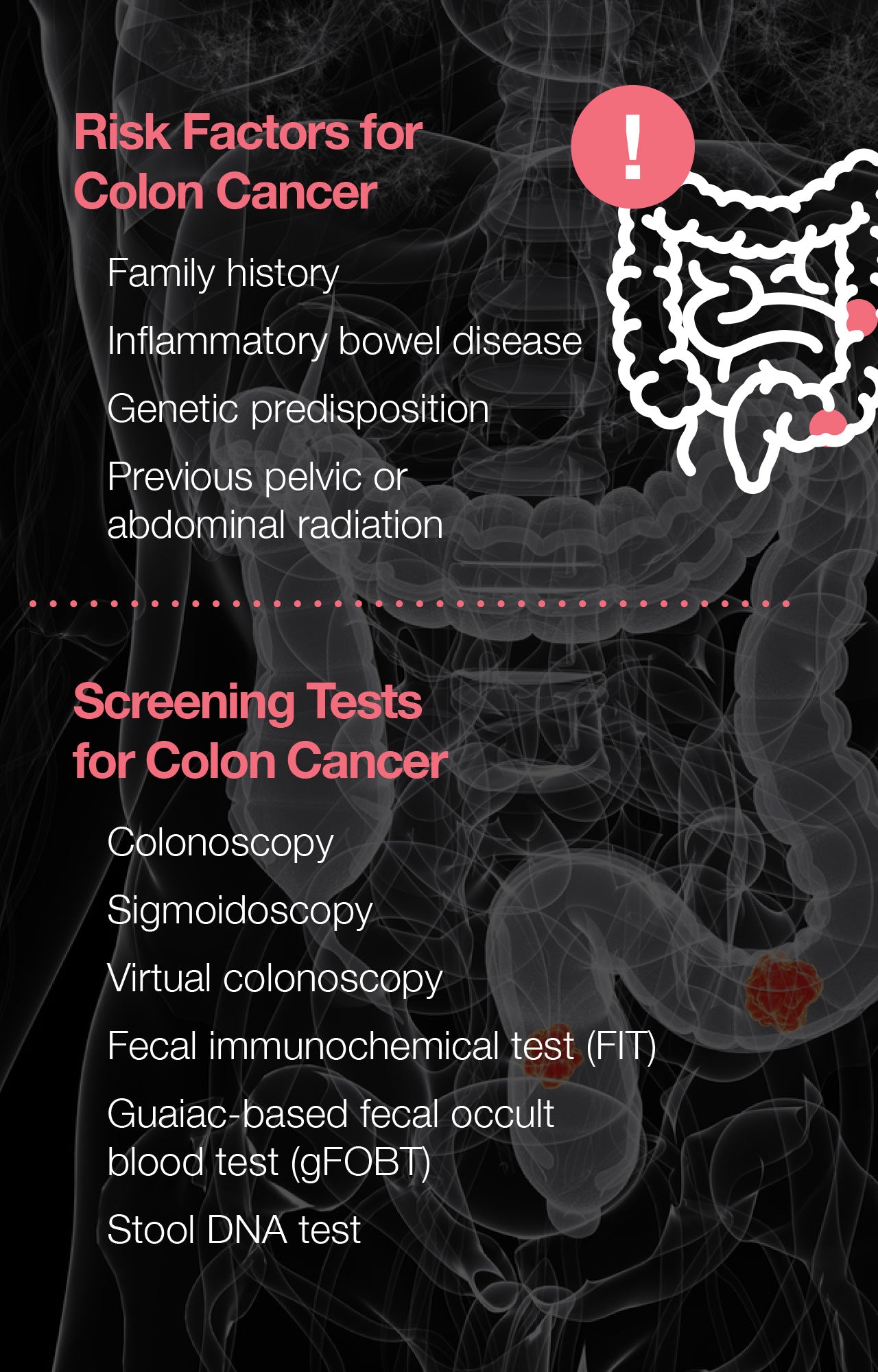
Early screening may also be recommended in people younger than 50 when they have a higher than average risk of developing colon cancer. Risk factors that may call for early or more frequent colon cancer screening include:
If you’re under the age of 50 and have any of the above risk factors, you should speak with your doctor about beginning early colorectal cancer screenings.
Depending on a person’s cancer risk, the type of colon cancer screening recommended may be either invasive or noninvasive. However, the test offered will be one of two types:
Visual colon cancer tests are usually invasive, as they involve instruments designed to examine the inside of the colon for any abnormalities, including polyps or suspicious-looking areas that may need to be biopsied or removed.
Common visual exams include:
If your health care provider agrees you’re a suitable candidate, noninvasive testing in the form of a stool test may be chosen to look for signs of colon cancer. However, unlike a colonoscopy, sigmoidoscopy, or CT colonography, stool tests need to be performed much more frequently.
Common stool-based exams include:
Colorectal cancers that are caught early are associated with the best outcomes and have a 5-year survival rate of approximately 90%. If you’re nearing 50 or have personal risk factors or a history of colon cancer in one or more of your family members, you should speak with your health care provider about getting screened. To optimize your health as you grow older, consider taking an essential amino acid supplement.
Be the first to know about new craveable recipes and tips for living your best life.

If you’re concerned about your esophageal health, read on to learn about the symptoms and causes of Barrett’s esophagus and what you can do to protect yourself from esophageal cancer.
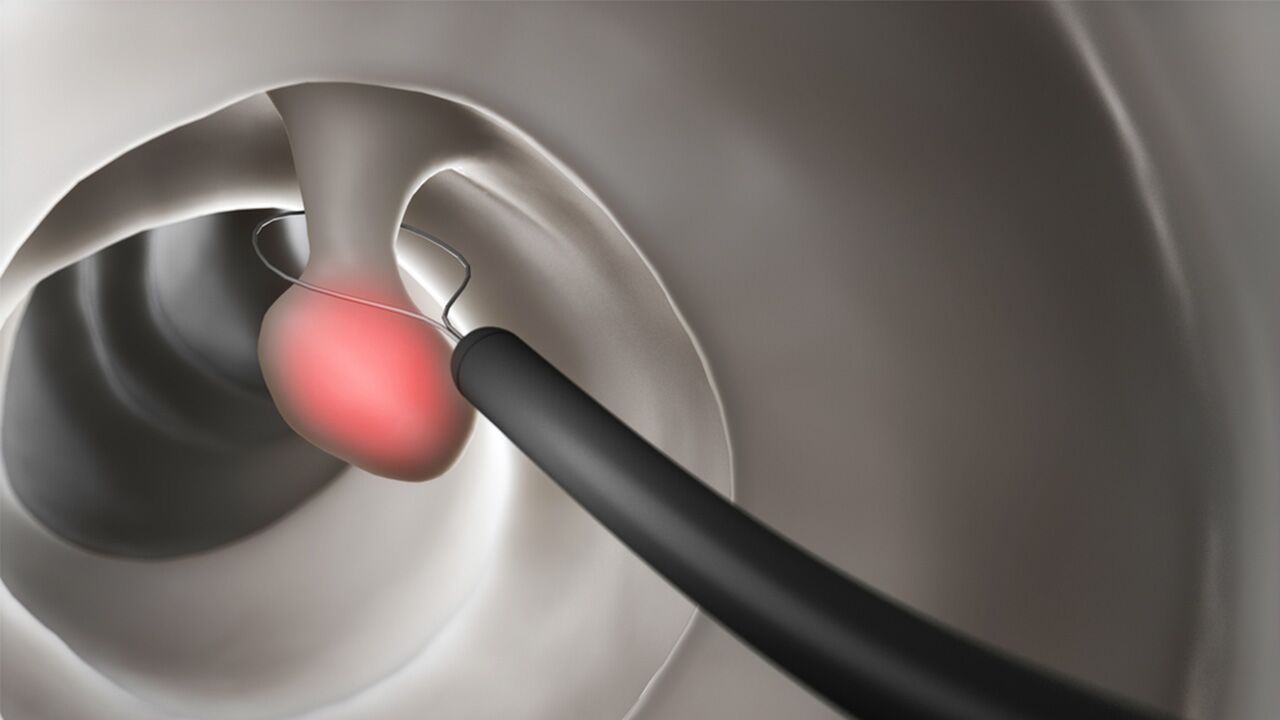
Colon polyps, also called colorectal polyps, are small clusters of cells that form on the lining of the colon or rectum. Learn what causes colon polyps, the symptoms to look out for, and how colon polyps are treated.
Sign up for our newsletter and let us know what you’re interested in, and you’ll also receive a free E-Book.
30 years of research... and still going.

Give us a try today.
If, for any reason, you don’t like us or our products, simply contact our support team within 60 days and we’ll happily refund you 100% of your payment.
It's our way of making sure you're completely happy with your purchase.

