

 833-264-6620




 By: by Amino Science
Anyone who has ever suffered through a bout of the chickenpox knows the agony of seemingly never-ending itching. Chickenpox is an extremely contagious condition caused by the varicella-zoster virus (VZV) that results in painful, itchy blisters. Before a varicella vaccine was available, chickenpox would spread like wildfire among schools, classmates, siblings, and friends. The chickenpox vaccine has been available in the United States for over 2 decades, meaning fewer and fewer people are finding themselves fighting the battle of the itchy chickenpox rash. While less prevalent these days, infections with the chickenpox virus do still occur, so it is always a good idea to be prepared with information and chickenpox remedies on hand.
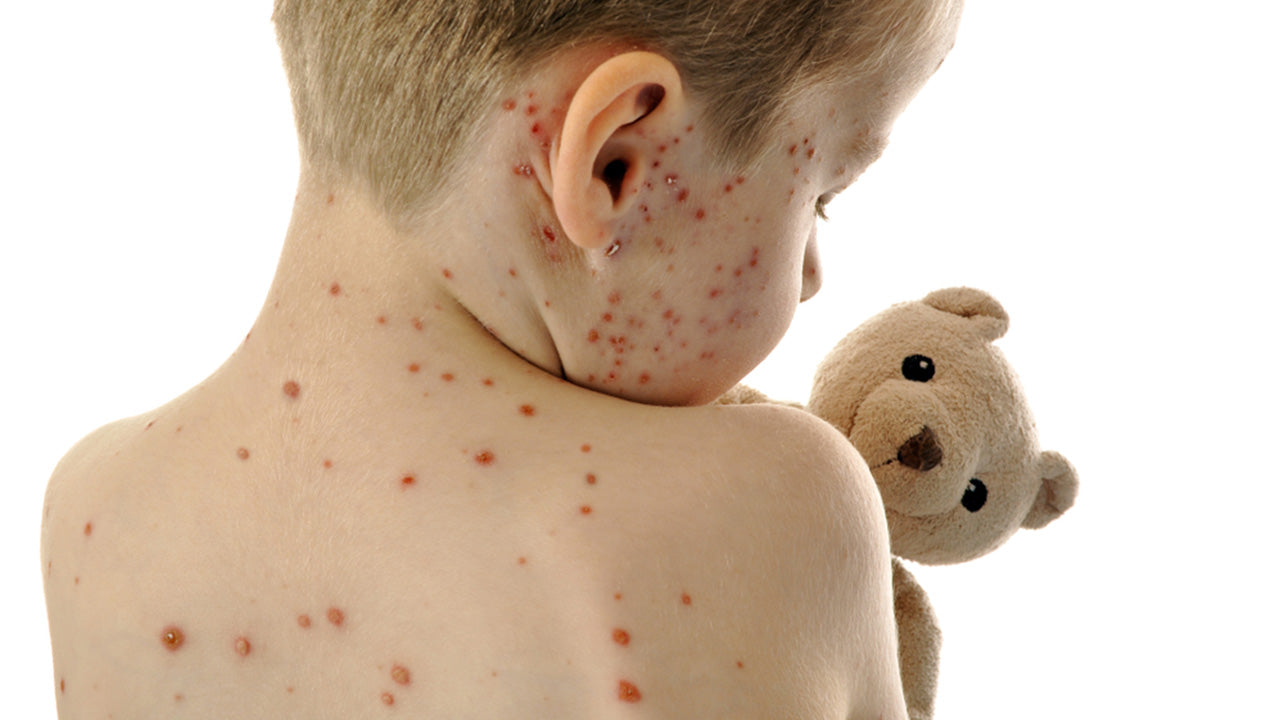
The most tell-tale sign of the chickenpox is the red, blister-like rash that breaks out on an infected person’s body. The blisters become fluid-filled, turn into scabs, and are incredibly itchy. If scratched, the blisters can break open and lead to scarring. The chickenpox rash can appear as red spots anywhere on the body and then spread to other body parts including the...
In addition to the itchy rash, chickenpox comes with other symptoms commonly seen in viral infections including:
Chickenpox symptoms usually last around 5 to 7 days but can linger longer depending upon the severity of the case. According to the CDC, it is possible for those who have had the chickenpox vaccine to still contract the virus. If this happens, the symptoms of chickenpox are usually much milder than they are when an unvaccinated person contracts the illness.
The chickenpox has been studied as an individual malady since it was distinguished from smallpox in the late 1800s. With hundreds of years of studying and observing this virus, many chickenpox home remedies have been put forth to help people find relief from chickenpox symptoms. We’ve put together a round-up of the most tried and tested chickenpox remedies out there.

Itchy skin is bad enough, but having a high fever and feeling achy on top of the itch is just awful. According to the Centers for Disease Control and Prevention (CDC), the best way to combat fever from chickenpox is with over-the-counter medications.
Perhaps the most difficult part of chickenpox is the itchy skin. For children, the itching can be especially stressful since they may be too young to understand why they shouldn’t scratch the red spots. Here are some chickenpox home remedies to help your kiddos find itch relief.
If you're at high risk for serious complications from chickenpox or you are pregnant, your doctor may treat the virus with an antiviral medication such as acyclovir (Zovirax) or immune globulin intravenous (Privigen). These antiviral drugs can help boost the immune system so you recover from chickenpox faster, thereby reducing your risk of complications. If you notice the tell-tale red spots on you or your child, visit a healthcare practitioner immediately, as these antiviral medications work best within the first 24 hours of seeing symptoms.
“Don’t scratch” is so much easier said than done when it comes to the relentless itching of chickenpox blisters. Older kids and adults can understand the consequences of scratching, like permanent scarring, but small children and infants often only know that they find relief through scratching.
The few days that it takes for chickenpox symptoms to ease up can feel like forever. The chickenpox remedies listed above can help ease symptoms such as high fever and itchy skin and help prevent scarring. Only those who have been vaccinated or have already had the chickenpox should take care of a chickenpox patient. It is a very contagious virus, and anyone nursing a patient is at high risk of contracting it.
In terms of prevention, the best way to defeat any viral infection is with a strong and sturdy immune system. Amino Co supplements help to strengthen immunity with the power of essential amino acids. For everyday immune support, try Life, our Active Aging blend.
Be the first to know about new craveable recipes and tips for living your best life.
With the word pernicious in its name, pernicious anemia can sound like a frightening diagnosis. However, science and medicine have come a long way, and today pernicious anemia is relatively easy to manage.

Heart attack triggers are more controllable risk factors that cause heart malfunction. Understanding the impact these insidious triggers have on your heart is key to prevention and management of heart-related illness.
Sign up for our newsletter and let us know what you’re interested in, and you’ll also receive a free E-Book.
30 years of research... and still going.

Give us a try today.
If, for any reason, you don’t like us or our products, simply contact our support team within 60 days and we’ll happily refund you 100% of your payment.
It's our way of making sure you're completely happy with your purchase.

