

 833-264-6620




 By: by Amino Science
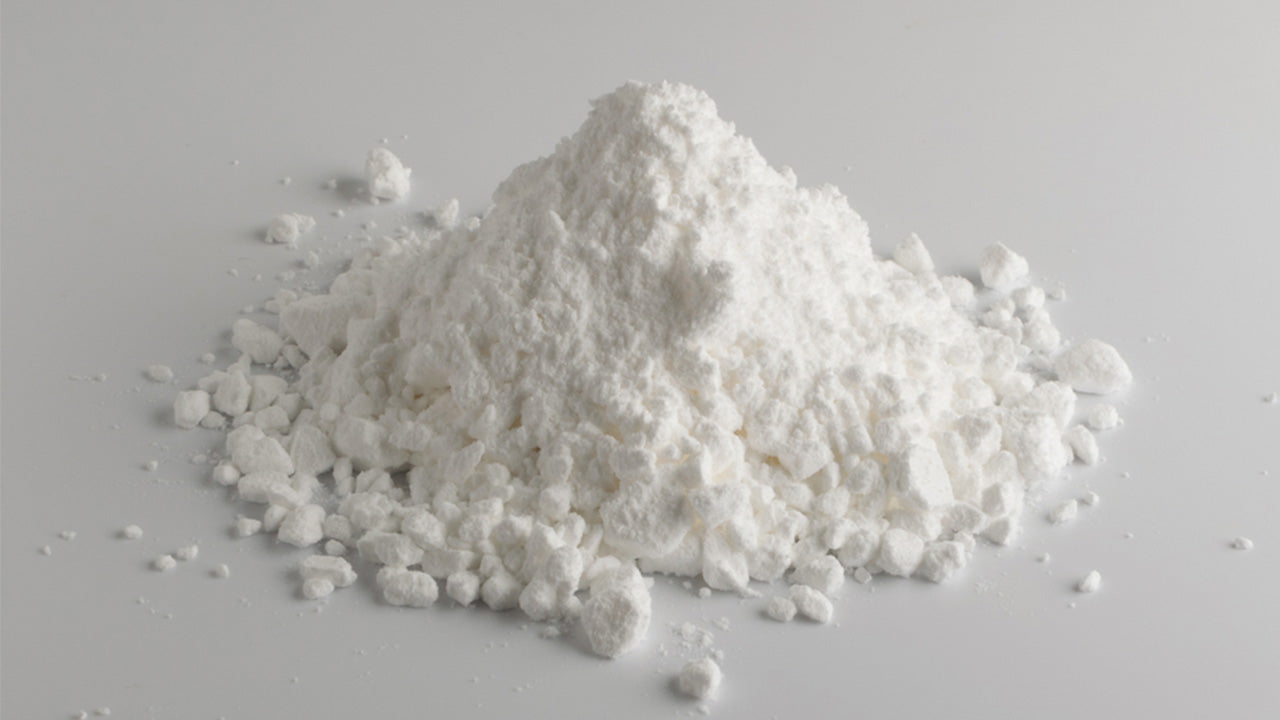
If you suffer from recurrent urinary tract infections (UTIs), then you are already well aware that unsweetened cranberry juice is on the top of the home remedy list. You may not know that one of the aspects of cranberry juice that makes it so helpful is a compound known as D-mannose, a type of sugar related to the better-known substance glucose. This simple sugar is found naturally in the body and in a variety of foods, and recent clinical trials are discovering that D-mannose UTI treatment is a promising possibility. Read on to learn more about D-mannose, its other dietary sources, and how it may help those dealing with recurrent UTIs.

Urinary tract infections do not always cause signs and symptoms, but when they do those symptoms could include:
Women are more at risk of developing UTIs because the urethra is shorter in female anatomy, which thus shortens the distance bacteria has to travel to reach the bladder. Sexual activity increases this risk, as well as certain types of birth control like diaphragms and spermicidal agents. Menopause can leave women more vulnerable to UTIs as well, and conditions like diabetes, or requiring the use of a catheter.
D-mannose is a simple sugar, meaning it consists of only one molecule of sugar. While it naturally occurs in your body, D-mannose can also be found in some plants in the form of starch. Fruits and vegetables that contain D-mannose include:
D-mannose is also included in certain dietary supplements, and is available as a powder or in capsule form. Some supplements are made exclusively of D-mannose, while others may include additional ingredients like cranberry, hibiscus, dandelion extract, rose hips, or probiotics. D-mannose is often taken to treat or prevent urinary tract infections because it is able to stop specific bacteria from growing inside the urinary tract. The question is: does the use of D-mannose effectively treat UTIs?
There is scientific evidence detailing how D-mannose works to combat the bacterium that causes infections in the urinary system. Escherichia coli (E. coli) causes an estimated 90% of UTIs. When E. coli gets into the urinary tract, it latches onto the cells and starts to grow, causing an infection. Researchers believe that D-mannose, whether consumed in foods or ingested via D-mannose supplements, can work to prevent UTIs by stopping the E. coli bacteria from attaching to the cell walls in the first place.
When D-mannose is consumed, it travels through the same digestive pathways as all the other foods you eat, eventually finding its way to your kidneys and urinary tract for elimination from the body. Once arrived, if there are any E. coli bacteria present, D-mannose combines with them before they can attach to your cells, and carries them out of your body during urination.
While there hasn't been an overwhelming amount of research done on those with chronic or acute urinary tract infections, a few pilot studies show promising support of D-mannose's potential in preventing and clearing up UTIs.
There are many D-mannose products that are widely available at pharmacies, health food and wellness stores, or for purchase online. When choosing a D-mannose product, keep in mind these three questions:
D-mannose is most often used for preventing UTIs in people who have them frequently, or for treating the symptoms of active urinary tract infections. How much D-mannose to take for a UTI depends on whether you're treating or preventing, and based on the dosages used in the above-mentioned clinical research, suggested dosages are:
As far as the difference between capsules and powders, that is solely up to your personal preference. You may prefer a powder if you don’t like to swallow large capsules, if you want to avoid the fillers that are often included in manufacturers’ products, or if you have dietary restrictions on gelatin capsules. Many products provide you with 500-milligram capsules, meaning you may need to take 2-4 capsules to get the dose you're looking for. Powder on the other hand would allow you to do your own measuring. D-mannose powder can be dissolved in a glass of water for drinking, or combined into smoothies. The powder easily dissolves, and in plain water D-mannose has a sweet taste.
Most people taking D-mannose do not experience any side effects, but some have reported loose stools or diarrhea. Those with diabetes should consult a health care professional for medical advice before taking D-mannose, as it is a form of sugar and may need to be carefully monitored in relation to blood sugar levels.
Those with an active UTI should also consult a trusted health care provider, because the ability of D-mannose to treat an active infection for some may not be a sure-fire solution for all. Delaying antibiotic treatment of an active infection could allow enough time for the infection to spread to the kidneys and the blood, resulting in a much more serious medical condition.
While more research needs to be done on D-mannose's potential for treating UTIs, it's nevertheless a safe option to try for those who want to prevent UTIs and bladder infections from occurring in the first place. Talk with your doctor about whether this supplement might be the key to arming your immune system against invading urinary tract bacteria. For overall immune support, essential amino acid supplements are a proven ally...and side effect free!
Be the first to know about new craveable recipes and tips for living your best life.
An infectious disease transmitted by rodents, hantavirus pulmonary syndrome results in flu-like symptoms that sometimes progress to fatal breathing difficulties. Understanding the signs of hantavirus can help you determine when and if you or a loved one may be at risk.
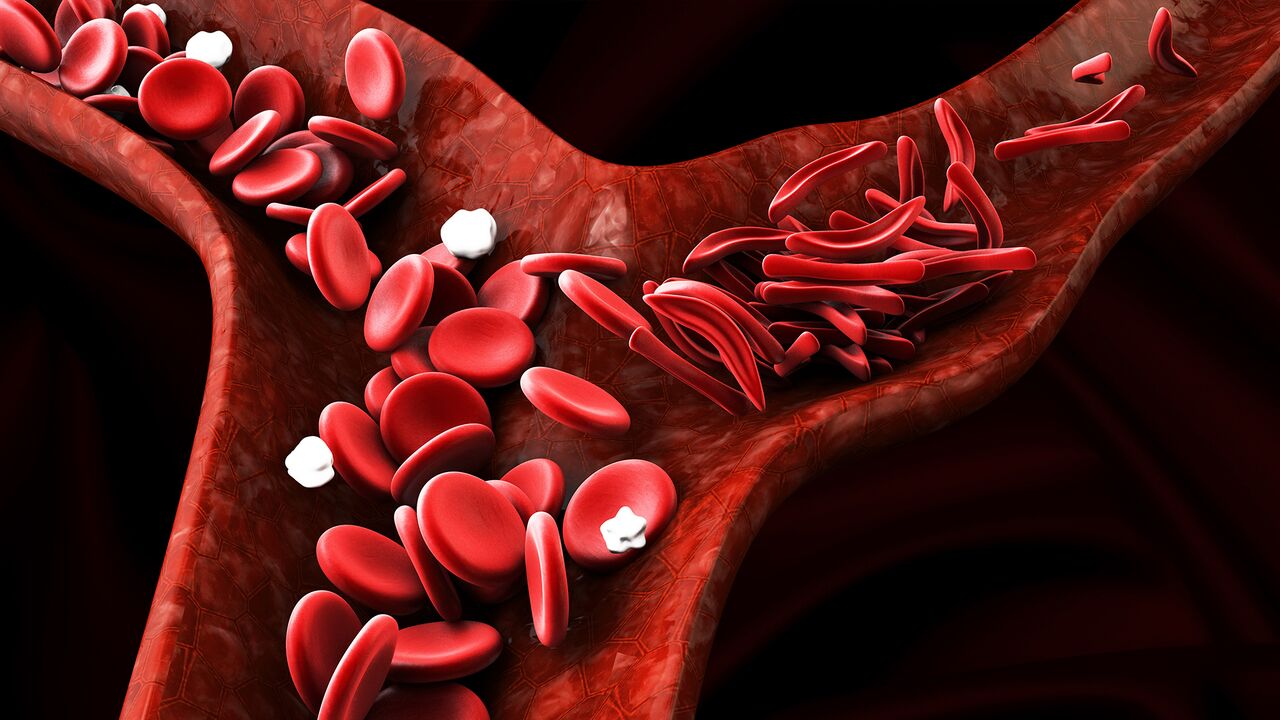
Sickle cell anemia, or sickle cell disease, affects millions of people worldwide. People with sickle cell anemia produce red blood cells that cannot move so easily and often get stuck inside blood vessels and cause blockages. These blockages prevent blood and oxygen from getting to various parts of the body. Learn about the latest in treatment.
Sign up for our newsletter and let us know what you’re interested in, and you’ll also receive a free E-Book.
30 years of research... and still going.

Give us a try today.
If, for any reason, you don’t like us or our products, simply contact our support team within 60 days and we’ll happily refund you 100% of your payment.
It's our way of making sure you're completely happy with your purchase.

