

 833-264-6620





 By: by Amino Science
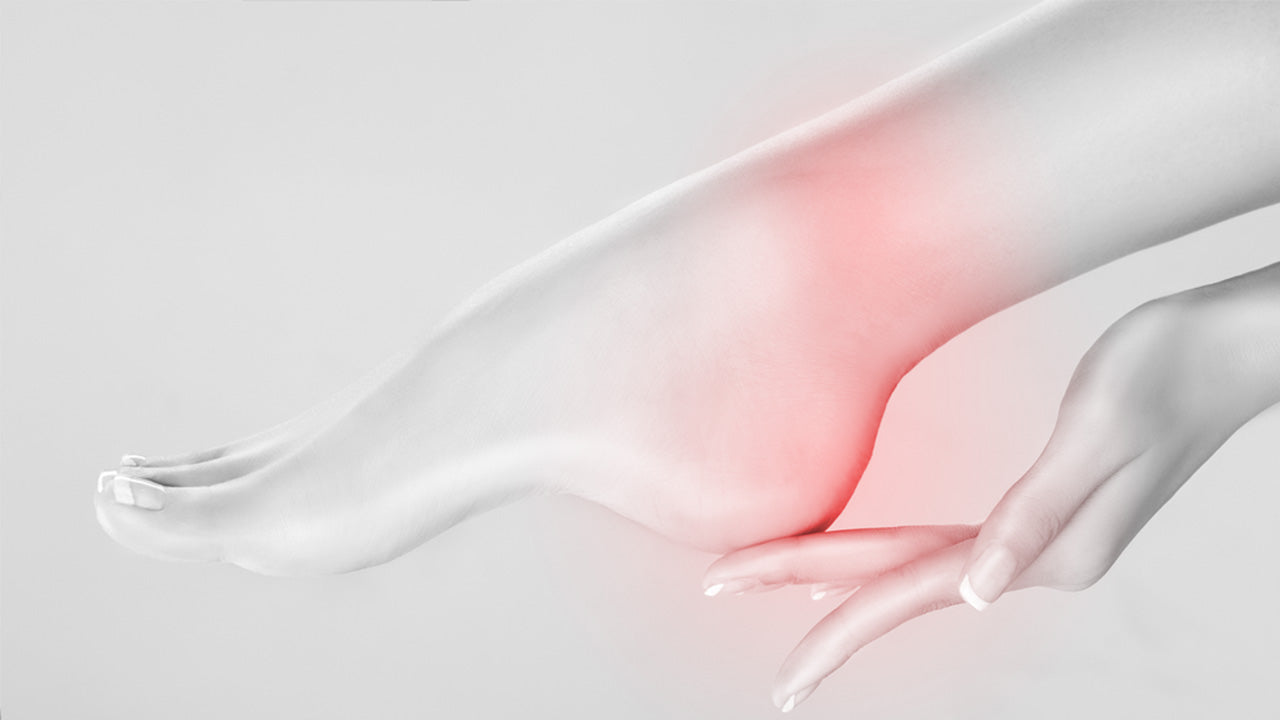
If you’ve ever heard someone say they have “flat feet,” what they really mean is that they have an overpronation problem. Overpronation occurs when the arch of your foot collapses downward, causing your entire foot to roll inward. This can happen while you’re walking, running, or even just standing still.
Our feet, made up of 52 bones, 66 joints, 214 ligaments, and 38 muscles, are the only point of contact many of us regularly make with the ground. Our feet propel us—literally—through our lives. We take, on average, about 6,000 steps each day. When something’s wrong with our feet, we want it addressed—and fast.
When left untreated, overpronation can cause pain, stiffness, swelling, and other, more serious problems. Fortunately, there are a number of ways to correct the problem, no matter its underlying cause.
Read on to learn about the mechanics of foot pronation, how to diagnose an overpronation problem, and treatment options.
Merriam-Webster defines pronation as the “rotation of the medial bones in the midtarsal region of the foot inward and downward so that in walking the foot tends to come down on its inner margin.”
Our feet have two equally important functions: stability and mobility. They provide a stable base of support for the weight of our bodies that allows us to stand upright as well as to propel ourselves forward. Our feet are also mobile in ways that help minimize the impact of shock and let us maintain contact with the ground even when its surface is uneven.
When our feet are functioning normally, they’re stable and mobile at the same time. Experts estimate that approximately 30% of the population have normal foot function. The other 70% of us either over- or underpronate. Overpronation is far more common, accounting for 95% of foot function abnormalities.
It’s normal to have some degree of overpronation or underpronation (also called supination), since no one has a totally symmetrical, perfectly balanced body. But if a pronation deviation becomes too pronounced, it can cause a multitude of issues. Overpronation and underpronation rank as two of the most common postural problems in adults.
The first indications of foot pronation problems tend to relate to the feet themselves, for instance, aching arches or sore heels. The pain can then spread to your ankle and knee joints, cause calf stiffness and tenderness, and even lead to low back pain.
Over or underpronation affects how you distribute your bodyweight while moving and while standing still, and can make you more susceptible to injuries.
Your body functions as a single kinetic chain. Too much pronation in either direction negatively impacts your gait cycle, which takes place as your body moves forward. The subtalar joint helps your foot rotate, which provides shock absorption, allows for the navigation of uneven terrain, and supports proper positioning of the pelvis and spine.
Overpronation occurs when, at the end of the gait cycle, you push the front of your foot off the ground using primarily your big toe and second toe. This imbalance puts too much pressure on those two toes and forces them to absorb too much shock. Over time, this can lead to injuries such as runner’s knee, stress fractures, plantar fasciitis, Achilles tendinitis, and more.

Overpronation is such a common problem because many of us wear unsupportive shoes and walk primarily on hard, flat surfaces. Those factors, especially in conjunction with other characteristics, contribute to changes in the soft tissue structures of your feet that cause joints to loosen and bones to shift.
A foot that overpronates acts, as physiotherapist Grant Fedoruk put it, “like a loose bag of bones during the walking cycle.” This places stress on tendons and ligaments in your foot and ankle, resulting in a foot that’s quite flexible, but also unstable and inefficient. It has to work harder to move your body forward, meaning it tires quickly and puts excess stress on the rest of your lower body.
There are a variety of factors that can cause or contribute to pronation problems, including:
If you’re experiencing any of the following symptoms, the underlying cause may be overpronation.
If you’re experiencing any of those symptoms, you may want to check if you overpronate. There are a few methods for self-assessment you can try on your own if you’re not ready to schedule an appointment with a professional.
You can quickly and easily assess the pronation patterns of your feet using any of the following three methods.
If these methods yield unclear results, and you’re experiencing pain or dealing with chronic injury, you should visit a podiatrist or physical therapist to get a definite diagnosis.

Like any other muscle in your body, the arches of your feet can be trained to function better. In order to confirm that you do have a pronation problem, a medical professional will typically conduct a physical exam of your lower extremities, paying particular attention to visible imbalances, loss of function, and loss of sensation.
The most common treatment podiatrists recommend for overpronation is shoe inserts, also called orthotics or orthotic devices. The orthotic shoe inserts for overpronation—typically arch or heel support, or a combination of the two—help your arches lift and prevent the inward rolling motion that can cause pain and other problems. Orthotics can reduce pain while standing, walking, and running. They can also help to prevent muscle strains due to overcompensation.
If the pronation problem is quite pronounced, additional treatments may be needed. A physical therapist can work with you to find a set of stretches and exercises you can use to retrain your feet and legs to balance your weight properly.
In some rare cases, you may also need to wear braces to keep your lower legs in a posturally correct position. And if the pain associated with your overpronation becomes bad enough, a doctor may prescribe anti-inflammatory medication to soothe related swelling. In some very severe instances, surgery can be the best option to address a pronation problem. To help calm inflammation and speed up recovery from overpronation surgery, start taking Heal, a patented blend of essential amino acids, at least a month before surgery.
One of the simplest and most effective ways to self-correct an overpronation problem is to pay attention to your posture when standing and your form when exercising. Bad form can lead to dysfunctions that cause foot, heel, and leg pain as well as injuries. Have you ever paid attention to your feet as you walk or run? Probably not. But doing so can help you identify and correct pronation problems.
First, the basics. Notice whether your heel hits the ground and rolls evenly forward, or whether it strikes abruptly. Also notice whether or not you’re lifting your toes as your foot leaves the ground. Next, pay attention to which part of your heel makes contact with the ground first—you want it to be the outside edge. If you lead with your heels—making you a “heel striker”—try landing closer to your midfoot. This can help you naturally land more lightly. And when you’re pushing off the ground, make sure to engage the ball of your foot and to avoid letting your big toe and second toe do more than their share of the work. This may feel quite unnatural at first, but with time, you’ll find it becomes instinctive.

Here are three more ways you can correct overpronation problems on your own.


Be the first to know about new craveable recipes and tips for living your best life.
What is muscle protein synthesis and why is it so important? In this article, we’re going to explore this topic and uncover everything you need to know about this vital function.
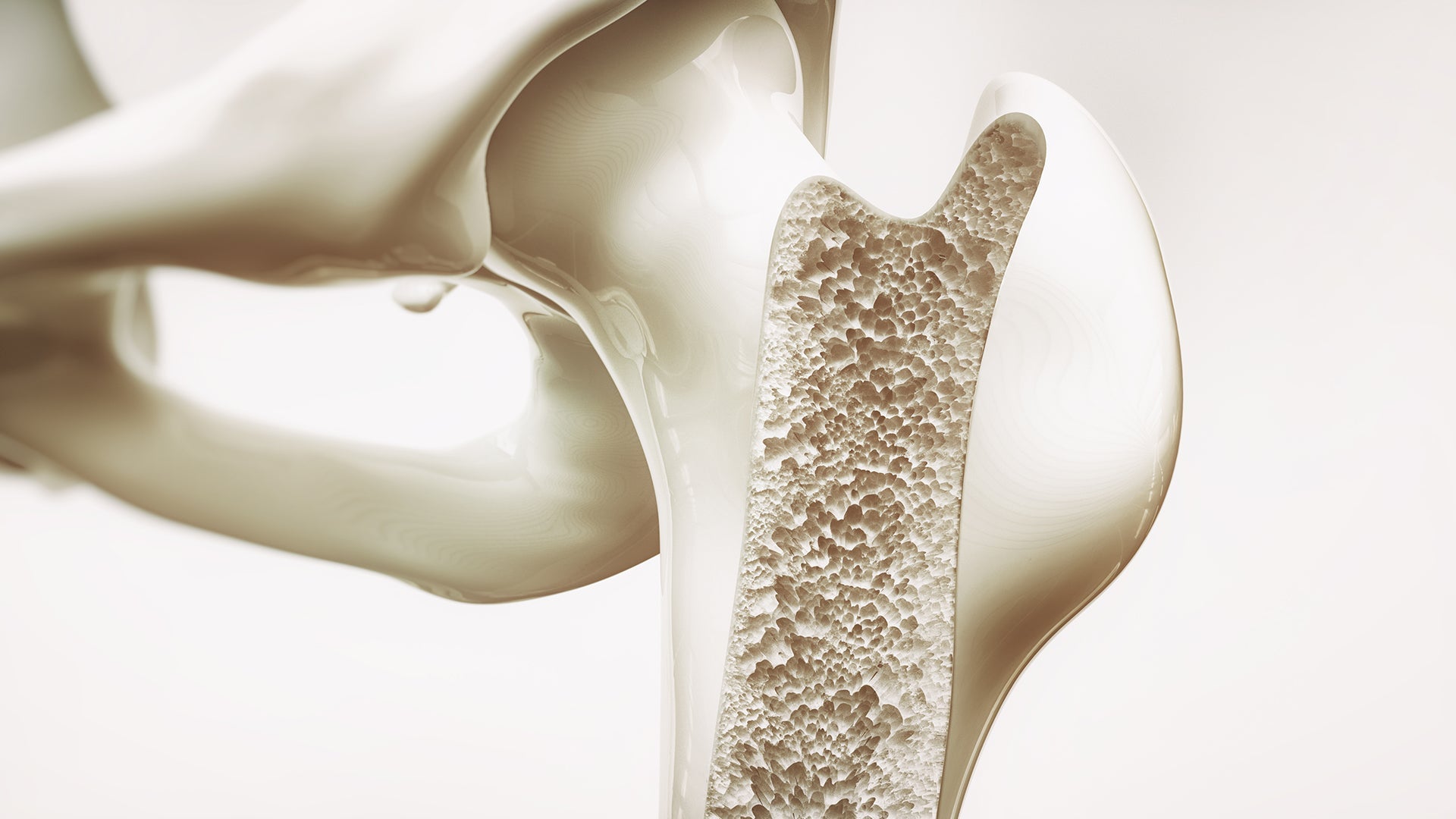
Most everyone recognizes calcium, vitamin D, and other minerals as key nutrients for bone health. What many people don’t know is that a significant part of bone in living humans is comprised of protein. Dietary protein and amino acids are as important for bone building as they are for muscle building.
Sign up for our newsletter and let us know what you’re interested in, and you’ll also receive a free E-Book.
30 years of research... and still going.

Give us a try today.
If, for any reason, you don’t like us or our products, simply contact our support team within 60 days and we’ll happily refund you 100% of your payment.
It's our way of making sure you're completely happy with your purchase.

