

 833-264-6620







 By: by Amino Science
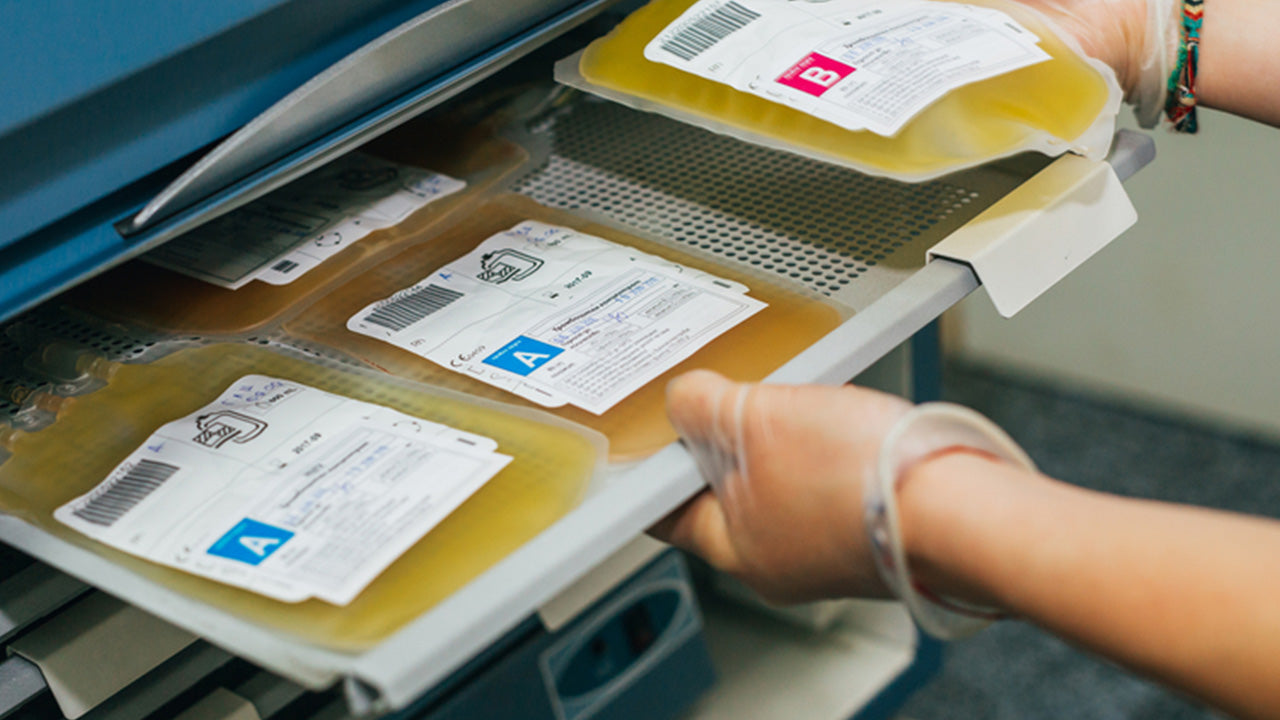
Plasmapheresis, or plasma exchange therapy, involves removing the blood's plasma via a blood withdrawal, cleaning it up, and transfusing it back. Similar in many ways to kidney dialysis, therapeutic plasma exchange can be used to treat certain autoimmune conditions by way of fluid replacement. We have the details on how this process works and which conditions it can help successfully treat.
According to the American Society for Apheresis (ASFA), therapeutic plasma exchange (TPE) involves passing a patient's blood through an apheresis machine, removing the filtered plasma volume, and then reinfusing the red blood cells back in, along with replacement fluid like fresh frozen plasma or albumin.
While the terms apheresis, plasmapheresis, and plasma exchange (PE) are quite often used interchangeably, there are some distinctions in their definitions that we'll address first.
The plasma fluid of those sick with autoimmune disorders could be full of antibodies that are attacking the immune system. By separating the red cells from the rest of the liquid part of blood with a cell separator and centrifugation machine, a health care professional can help remove these antibodies, alleviate autoimmune symptoms, and possibly improve quality of life.
Certain forms of neuropathy (diseases of the nervous system) and some complications of sickle cell disease can be treated with therapeutic apheresis. Other conditions that have shown clinical improvement from plasma exchange therapy include:
Each of these conditions involves antibodies in the plasma of the blood which, instead of attacking foreign invaders like viruses, target healthy cells with important functions. This is true in conditions like multiple sclerosis (MS) in which the immune cells attack the protective sheathing on nerve cells. In more recent years plasma exchange therapy is being studied in relation to conditions like thrombotic thrombocytopenic purpura (TTP), a blood disorder characterized by low platelet levels and dangerous blood clots, and Wilson's disease, a genetic disorder characterized by copper buildup in the body.
Plasmapheresis is also used as a first-line therapy in cases of hyperviscosity syndrome (too much viscosity in the blood) and cryoglobulinemia (the presence of abnormal proteins in the blood that can thicken in cold temperatures).

Plasma exchange therapy may be administered on either an in-patient or out-patient basis. The patient will rest on a bed or cot while a needle and catheter (the tube) are inserted in the best vein possible (if not in the arm then in the shoulder or possibly the groin). This is the outtake tube, whereas the reinfusion line will be inserted in the other arm or possibly the foot.
Those who are donating plasma may be done in as little as 90 minutes, while those receiving plasma exchange therapy may find the procedure takes as long as 4 hours up to 5 times per week depending on the state of their overall condition and any side effects or exacerbations which may arise.
Rest assured that the process is relatively painless. Outside of the discomfort associated with needles and sitting still for a long period of time, the general recommendations for optimal comfort during this procedure include:
Outside of the faintness, dizziness, and cold feelings most people know are associated with donating blood (and a drop in blood pressure), other risks of undergoing plasmapheresis include stomach cramps, blurred vision, and possible infection, blood clotting, or an allergic reaction.
If you worry about infection, talk with your doctor to make sure you're up on your vaccinations. You may be prescribed an anti-coagulant for blood clots, and if there is an allergic reaction to the solution your plasma is replaced with, health care professionals will be on hand to help you safely through it.
To accelerate recovery, supplement with Heal, a precisely formulated amino acid nutraceutical that can replenish your supply of plasma amino acids.

Along with immunosuppression drugs, plasma exchange therapy can help treat and drastically improve certain autoimmune disorders by cleaning your blood. Talk to your doctor or another qualified health care professional about your treatment options and whether plasma exchange therapy could improve your condition.

Be the first to know about new craveable recipes and tips for living your best life.
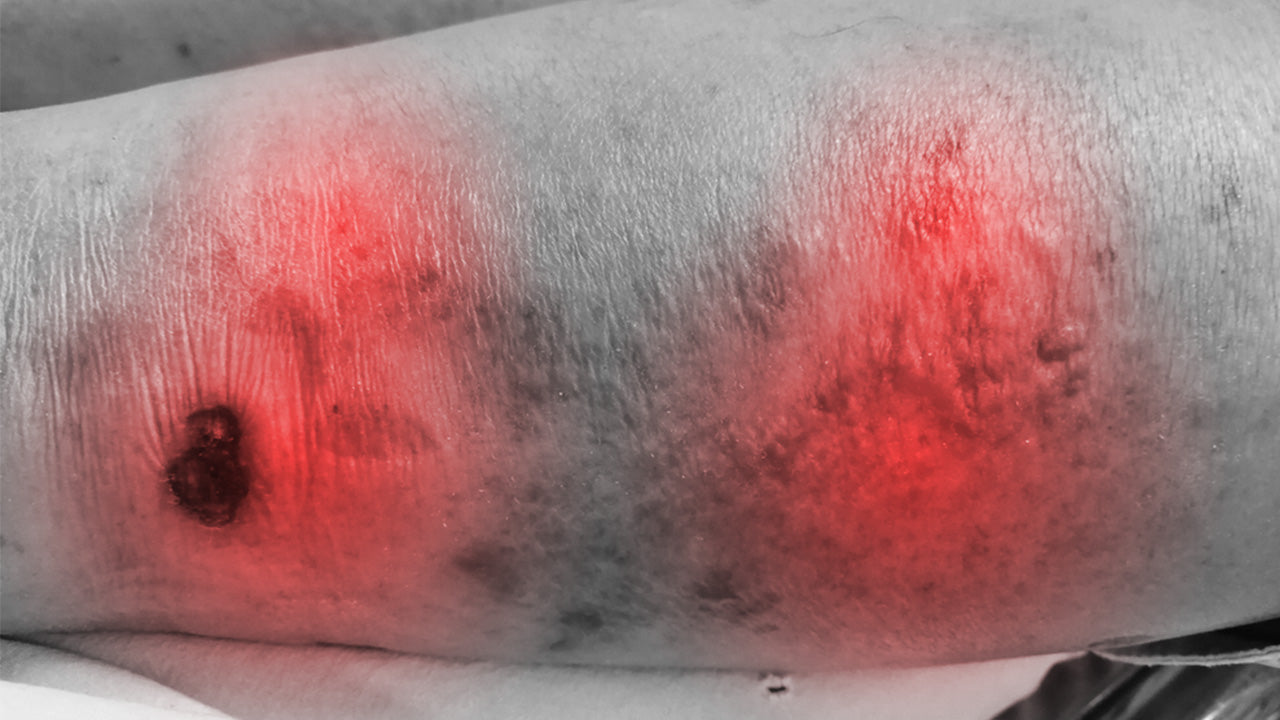
Necrotizing fasciitis, more popularly known as “flesh-eating disease,” is a rare but potentially fatal condition. It is extremely important to seek immediate medical attention and prompt hospitalization if you or someone you know exhibits the peculiar symptoms associated with the disease.
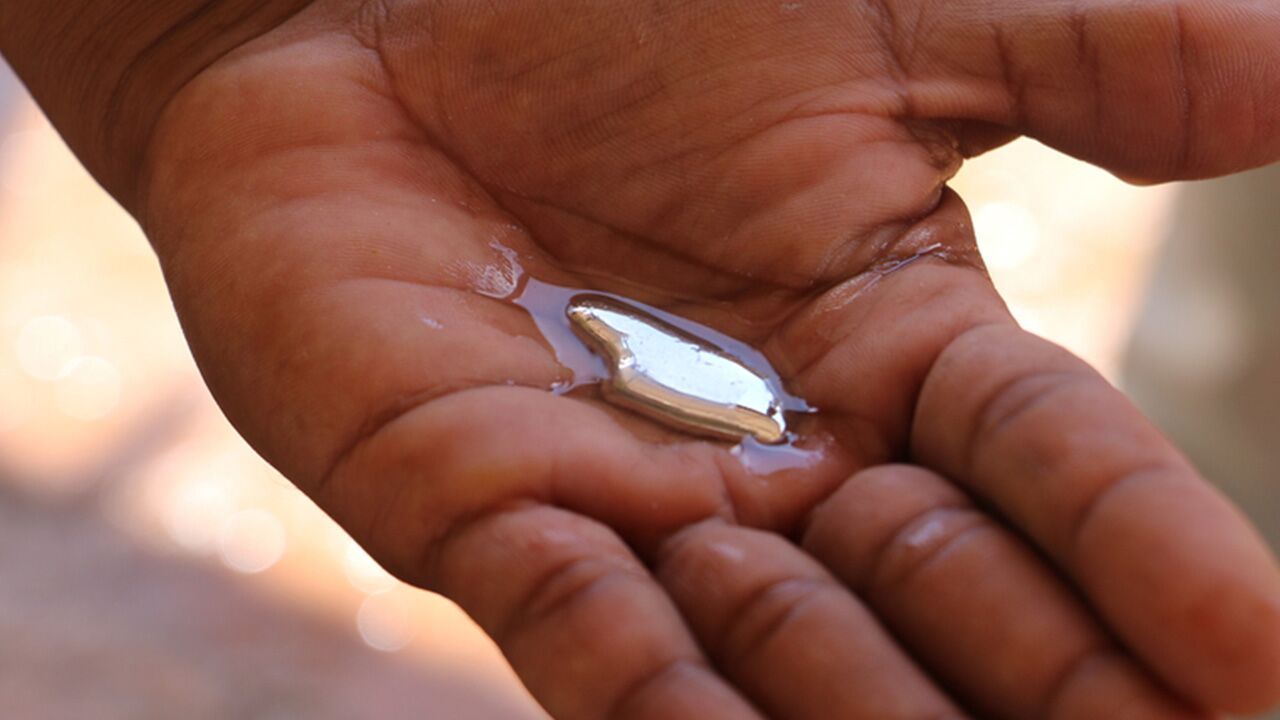
Eating fish that contains methylmercury is the most common culprit of mercury poisoning in America, but there are also other carriers of mercury. Find out what they are, and what you should do if you think you've been exposed.
Sign up for our newsletter and let us know what you’re interested in, and you’ll also receive a free E-Book.
30 years of research... and still going.

Give us a try today.
If, for any reason, you don’t like us or our products, simply contact our support team within 60 days and we’ll happily refund you 100% of your payment.
It's our way of making sure you're completely happy with your purchase.

