

 833-264-6620





 By: by Amino Science
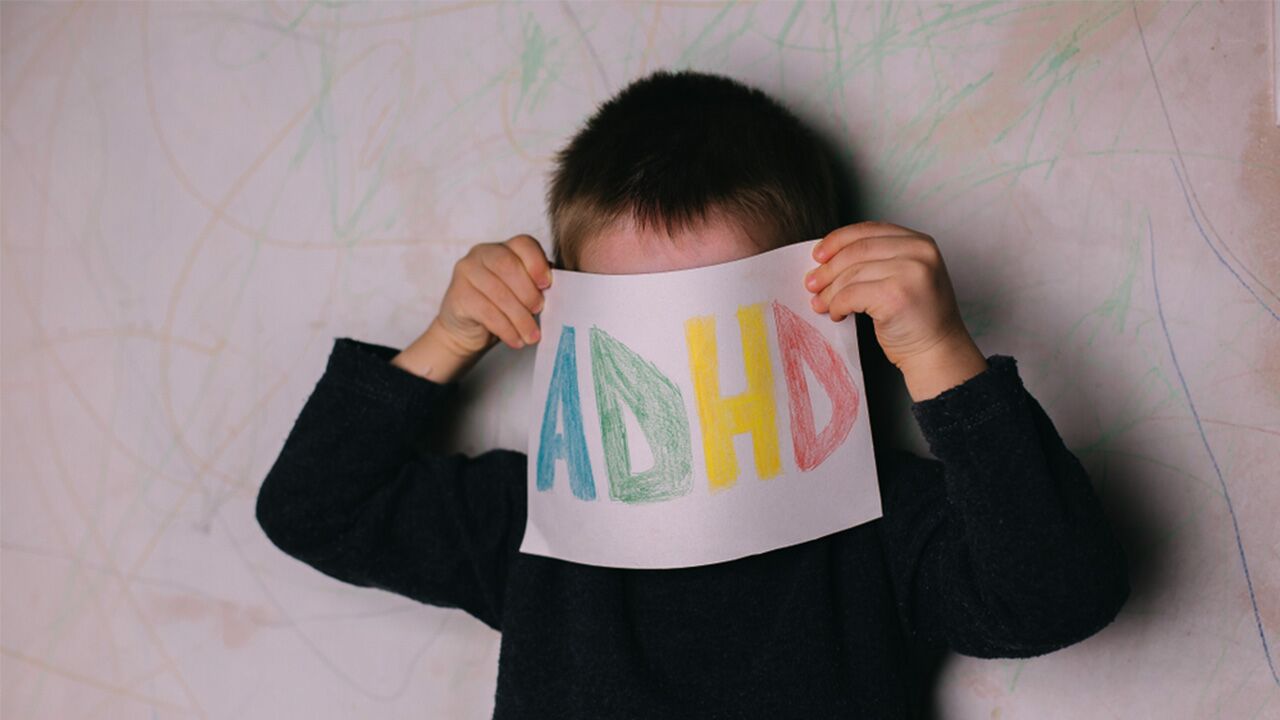
Attention deficit hyperactivity disorder (ADHD) is an often misunderstood neurological disorder that affects the areas of the brain governing planning, focus, organization, memory, motivation, and more—a set of operations referred to as "executive functioning skills." Though ADHD is typically diagnosed during childhood, it does not affect children exclusively. Adults with ADHD often develop coping mechanisms to counterbalance brain dysregulation.
ADHD stands for attention deficit hyperactivity disorder. Though it was once thought of as a behavior disorder, researchers now understand that the symptoms of ADHD such as difficulty directing focus and poor impulse control result from identifiable structural and chemical differences in the brain.
According to a 2017 study, preliminary evidence indicates that MRI scans can be used to differentiate not only between the brains of individuals with ADHD and those without, but also between the most common ADHD subtypes:
Symptoms of ADHD vary depending on the subtype. Social conditioning can make it more challenging to diagnose ADHD in girls as well as adults.
Per the fifth edition of the American Psychiatric Association's Diagnostic and Statistical Manual of Mental Disorders (DSM-5): "ADHD is characterized by a pattern of behavior, present in multiple settings (e.g., school and home), that can result in performance issues in social, educational, or work settings." The updated diagnosis uses criteria intended to include the experiences of adults with ADHD in recognition of the fact that for many, the condition is lifelong.
The DSM-5 uses two groups of symptoms: those related to inattention and those related to hyperactivity and impulsivity. Children up to the age of 16 must show six or more symptoms from a group while those 17 and older must show only five. In all cases, the symptoms must have been consistently present for a minimum of 5 months and must be out of keeping with the person's developmental level.
According to DSM-5, the following are symptoms of inattention:
And the DSM-5 lists these nine symptoms of hyperactivity and impulsivity:
After evaluating someone using the criteria laid out above, an ADHD diagnosis can be made. The diagnosis will specify whether someone has a predominantly inattentive presentation, predominantly hyperactive presentation, or combined presentation.
Other important diagnostic criteria which must be met for all three subtypes include:
Much of what common opinion holds to be true about ADHD has been shown to be false. Despite that, these misconceptions persist. Here are 6 research-backed facts about ADHD.
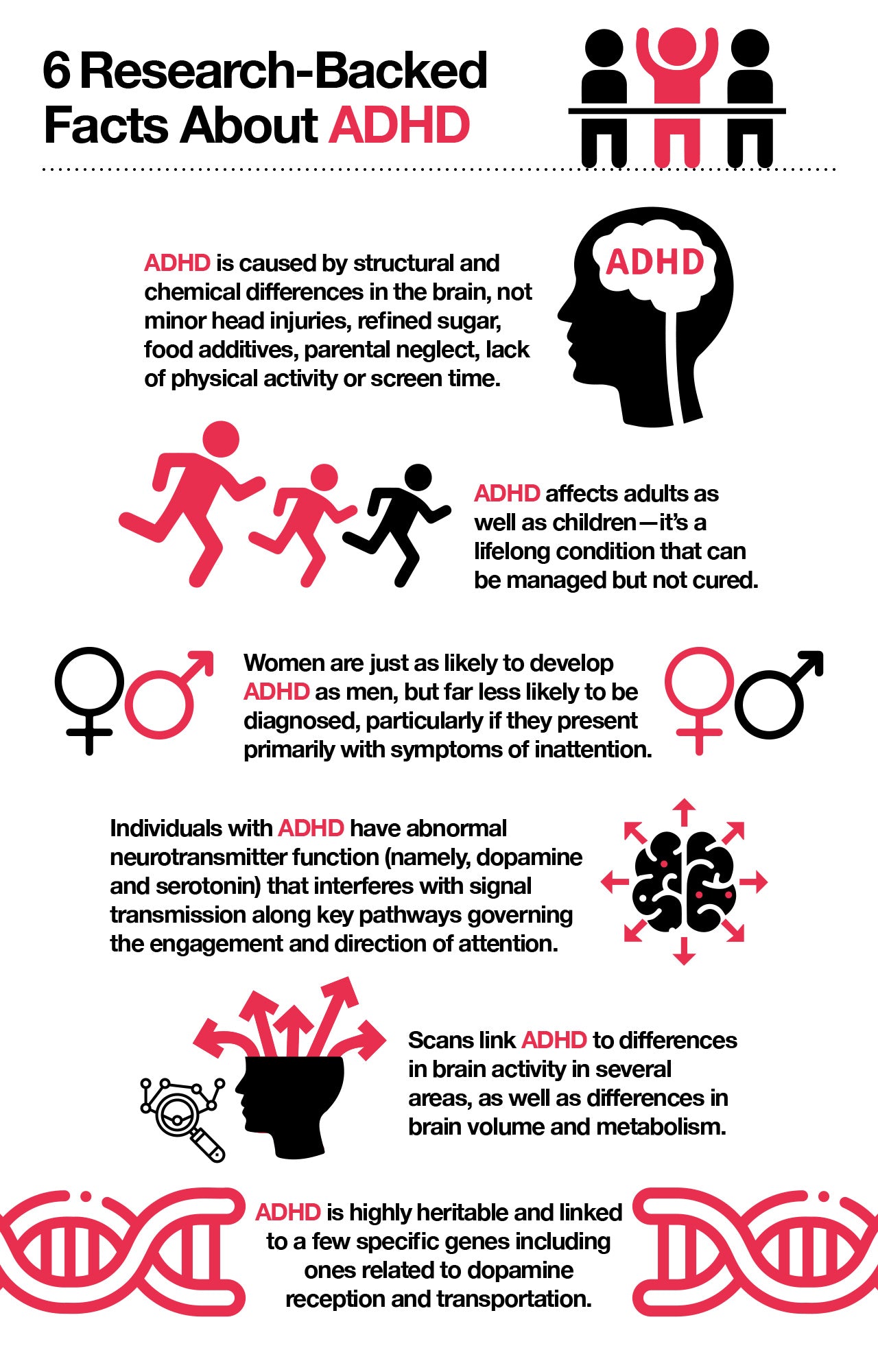
Though some researchers once believed that ADHD resulted from brain damage associated with minor head trauma, case studies do not bear that theory out and it has now been disproved. Similarly, no solid evidence supports speculation that refined sugar and food additives either cause or aggravate ADHD, though it's worth noting that neither benefit your overall health. As for other commonly cited bogeymen—parental neglect, lack of physical activity, too much screen time, and the ilk—no studies have shown that they contribute to ADHD.
What scientists have consistently found to be true is that individuals with ADHD have structural, chemical, and connective differences, largely due to genetics.
Though ADHD is most frequently diagnosed in children, it affects adults too. Statistics show that the average age of diagnosis is between 4 and 7, and the number of children diagnosed between 2003 and 2011 increased by 42%.
Because ADHD is a neurological condition, it's not something that children outgrow. However, with appropriate treatment, they can effectively manage their symptoms. Estimates reveal that roughly 66% of children diagnosed with ADHD require treatment for their symptoms into adulthood.
Epidemiological data also indicates that between 4% and 5% of adults have ADHD. That means adult ADHD affects more than 11,000,000 individuals living in the United States.
At one time it appeared that ADHD primarily affected school-aged boys. In fact, rates of diagnosis were significantly higher in males than females from 2003 to 2011. And both boys and men are still far more likely to be referred for testing and treatment.
Experts now believe that this stems from under-diagnosis of ADHD in women, not higher prevalence among men. This is particularly true for girls and women who present mainly or wholly with symptoms of inattention rather than hyperactivity and behavior problems.
High-quality research shows that individuals with ADHD have chemical abnormalities in their brains related to the neurotransmitters dopamine and serotonin, which carry signals between neurons along pathways governing crucial functions. Poor connectivity along the default mode network (DMN) can be especially problematic.
For instance, dopamine regulates a pathway related to risk and reward. Abnormalities with dopamine function interfere with signal transmission on that pathway, leading to changes in how individuals with ADHD engage and direct their attention.
It appears that alterations to serotonin also come into play, in large part because of the effect on the regulation of the dopamine system, particularly in affecting the modulation and regulation of the dopamine system.
A wealth of research has found that the brains of individuals with ADHD have differences related to development, metabolism, and the volume of several brain structures.
Researchers conducting the first neuroimaging study of adults with ADHD, published in the New England Journal of Medicine in 1990, used PET scans to compare the brain metabolism of those with ADHD to that of those without. The authors found that individuals with ADHD had reduced activity throughout their brains, notably, in the premotor cortex and prefrontal cortex, which control motor activity and attention capacity respectively.
Since then, other scientists have documented differences in activity in a range of other brain structures, including the:
Though no one yet knows precisely what causes ADHD to develop, several genes have been linked to the condition. Two dopamine receptor genes (DRD and D2) and dopamine transport gene (DAT1) have been linked to ADHD.
This hypothesis is strengthened by anecdotal evidence that it's more common for those with family members who have already been diagnosed with ADHD to have the condition themselves. Apparently, between 40% and 60% of the children of adults with ADHD will also develop it.
Signs of ADHD in children include lack of attention and hyperactive-impulsive behavior. Usually, these symptoms start before age 10; they can be mild, moderate, or severe, and in some cases, they continue into adulthood.
Many healthy children are inattentive or hyperactive without suffering from ADHD, so it is crucial to look for medical evaluation to establish if the difficulties that the child is experiencing are connected to ADHD.
ADHD treatment for children includes medications and counseling. Parents are urged to be patient because it may take some time to determine what works best and to see results.
Stimulant drugs are often prescribed to balance levels of brain chemicals. Children’s bodies are more delicate than adult bodies, so it is important to talk to your doctor about side effects.
Children with ADHD may benefit from behavior therapy and counseling, which can also help to treat other conditions such as anxiety disorder or depression. Therapies are effective when the people in the lives of children with ADHD, such as parents and teachers, work together with the same approach. It is essential to find a natural remedy that can help the child in the long term and to create an environment that stimulates creativity and learning.
Children who live with ADHD need to be reassured often to make sure they do not feel that they are “bad.” Experts recommend that parents respond to positive behavior, because reacting only to negative behavior can lead to a more pronounced negative attitude. Experts recommend providing children who have ADHD with opportunities to succeed and celebrate their creativity.
Parents can help children with ADHD find methods of organization to support them during everyday activities, such as notebooks with checklists or automatic reminders using phone apps. These tools can help children understand the importance of daily tasks and prioritization.
Children with ADHD have extra energy that they need to burn. Outdoor activities like running or throwing the ball are great, and you can organize events with other children so they can learn healthy competition and socialize.
ADHD in adults can affect relationships, work performance, and self-esteem. Symptoms usually start during childhood and continue into adulthood—it is rare that people develop ADHD in adult life. Signs of ADHD in adults include:
Many adults with ADHD are not aware that they have it—they usually feel that everyday tasks are challenging, and they find it difficult to concentrate. The exact causes of ADHD are not clear, but some factors might play a role in the development of ADHD. The disorder can run in families, environmental factors such as lead exposure may increase the risk, and issues with the central nervous system during childhood may also trigger ADHD.
ADHD treatment for adults involves medication and psychological support. It is crucial to talk with your doctor to know the benefits and risks of drugs. Stimulant medications are usually prescribed to promote and balance levels of brain chemicals. Other medications used include non-stimulant atomoxetine antidepressants.
Psychological support is usually focused on improving time management, organizational skills, self-esteem, and relationships, and reducing impulsiveness. Common types of psychotherapy include cognitive-behavioral therapy as well as family therapy.
You can help manage your ADHD with simple wellness behaviors.
The foods we eat can go a long way in increasing focus and subduing hyperactivity.
Foods high in vitamin B, such as green leafy vegetables, promote a healthy nervous system.
Studies conducted on rats showed that vitamin B-6 deficiency produces the loss of dopamine, an essential brain chemical. Foods rich in vitamin B-6 include wild tuna, bananas, wild salmon, and grass-fed beef.
Wild salmon is not just packed with vitamin B-6; it is also rich in omega-3 fatty acids. Several studies, conducted during 15 years to evaluate possible beneficial effects of omega-3 in the treatment of behavioral issues of children with ADHD, demonstrated that foods high in omega-3 can be used as a therapy.
Additives such as artificial sweeteners and preservatives can be toxic, so experts recommend that people with ADHD avoid processed foods.
Tryptophan is an essential amino acid and the precursor to the neurotransmitter serotonin, which plays a significant role in mood, sleep, and emotional balance. A study that included 85 patients with ADHD, aged 4–18 years, treated with an amino acid precursor protocol, showed that more than half of the participants achieved significant improvements.
It’s always best to take a complete essential amino acid formula to keep the blood concentration of amino acids stable. Research shows that essential amino acid supplements are virtually side-effect free and safe for kids. You can shop our line of essential amino acid blends here.


Be the first to know about new craveable recipes and tips for living your best life.

If you or someone you love is experiencing severe mood swings, and you find yourself wondering, “What is bipolar disorder, anyway?” we invite you to read on to discover the answer to this question.
A type of tic disorder, Tourette syndrome causes sufferers to experience involuntary, repetitive movements and vocalizations. Understanding the symptoms can help ensure you or your loved one is diagnosed early, so you can get the tools and treatment needed to maximize quality of life.
Sign up for our newsletter and let us know what you’re interested in, and you’ll also receive a free E-Book.
30 years of research... and still going.

Give us a try today.
If, for any reason, you don’t like us or our products, simply contact our support team within 60 days and we’ll happily refund you 100% of your payment.
It's our way of making sure you're completely happy with your purchase.

