

 833-264-6620




 By: by Amino Science
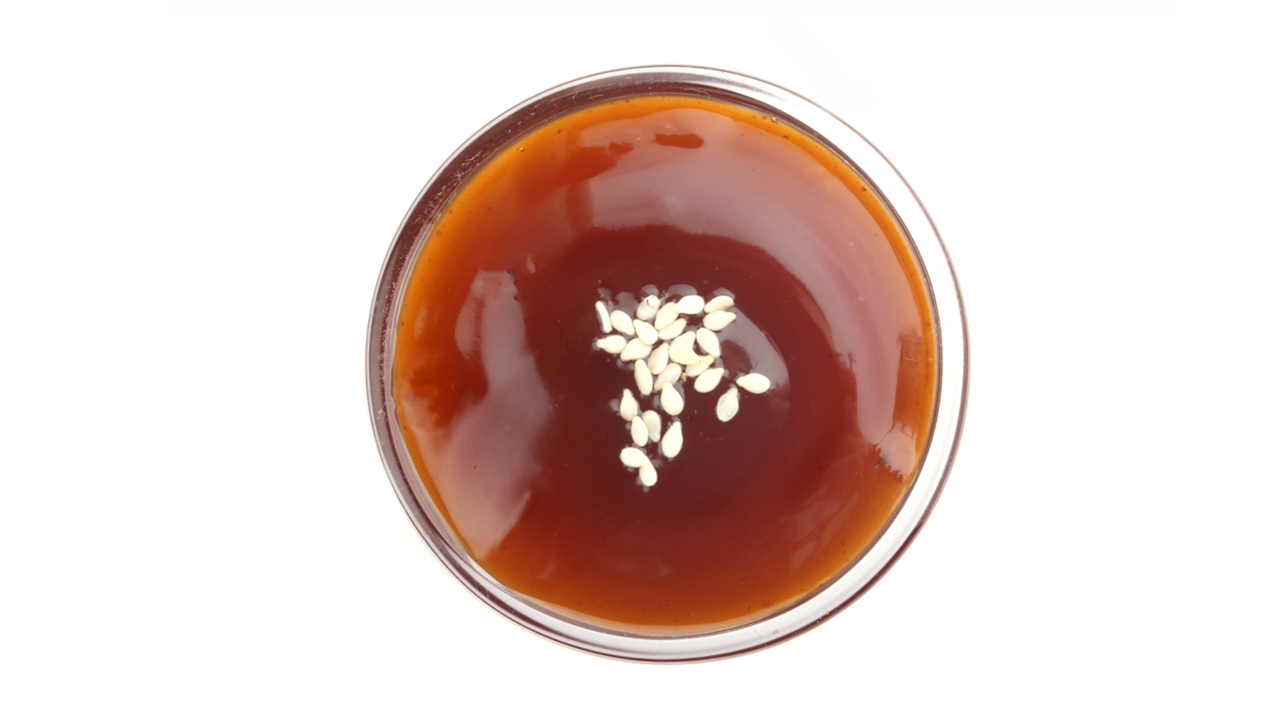
You don’t tend to realize that soy is everywhere until you’ve identified soy as the culprit behind your uncomfortable allergy symptoms. Let’s learn a bit more about what’s causing your soy allergy, as well food substitutes to try when you are allergic to soy.
Soy produced from soybeans contains at least 28 proteins that can trigger an allergic reaction, although most soy allergies are caused by just a few. The immune system views these soy proteins as a threat and stimulates the production of immunoglobulin antibodies (IgE). The next time you eat soy, IgE antibodies send a message to your immune system to release histamine and other chemicals into the bloodstream to fight off the threat. That’s where all the allergy symptoms—runny nose, itchy eyes, hives—come into play.
A soy allergy can also manifest as a delayed food allergy, or food protein-induced enterocolitis (FPIES), that causes symptoms to emerge hours instead of minutes after eating.
Your proclivity for a soy allergy can rest on a few factors.
The good news is that when soy is the allergen you are unlikely to suffer from a life-threatening or severe allergic reaction (anaphylaxis) as you would with a peanut allergy which requires you to have an epinephrine auto-injector (EpiPen) on hand. Still, the symptoms can be disagreeable and frustrating.
If you experience more severe symptoms, see a doctor immediately.
Soy is among the Big Eight Allergens, which also include the common food allergens:
It’s also a common ingredient in an abundance of foods. And we’re not just talking about soy sauce or soy milk. Soy can be hanging out in:
That’s the short list!
If you have a soy allergy, then you'll want to start looking at ingredient lists carefully. Avoid products that say “contains soy” or “may contain soy,” or with labelings like “soya” or “soybeans.” Of course, you will also want to avoid soy products and Asian foods, including:
Other food labels that call for caution include:
Everyone’s immune system response to soy is different, and you may be able to enjoy certain soy products without triggering an allergic reaction.
Soy lecithin, for example, is a food additive used to prolong shelf life and keep sugar from crystalizing in chocolate. It contains only negligible amounts of soy protein allergens, and may not elicit a response in you. Likewise, soybean oil doesn't contain soy proteins so also may be gentler on your immune system.
Soy sauce contains wheat. If you notice that you have a bad reaction to soy sauce but can eat, say, edamame, then you might be allergic to the wheat...not the soy. A simple skin prick test or other allergy test from an allergist can determine the cause. A soy allergy typically doesn’t exist in a bubble. If you are allergic to soy, there’s a high chance you have other allergies as well, especially from members of the legume family!
You can reduce your consumption of soy with the following substitutes.


Be the first to know about new craveable recipes and tips for living your best life.
Sign up for our newsletter and let us know what you’re interested in, and you’ll also receive a free E-Book.
30 years of research... and still going.

Give us a try today.
If, for any reason, you don’t like us or our products, simply contact our support team within 60 days and we’ll happily refund you 100% of your payment.
It's our way of making sure you're completely happy with your purchase.
