

 833-264-6620








 By: by Amino Science
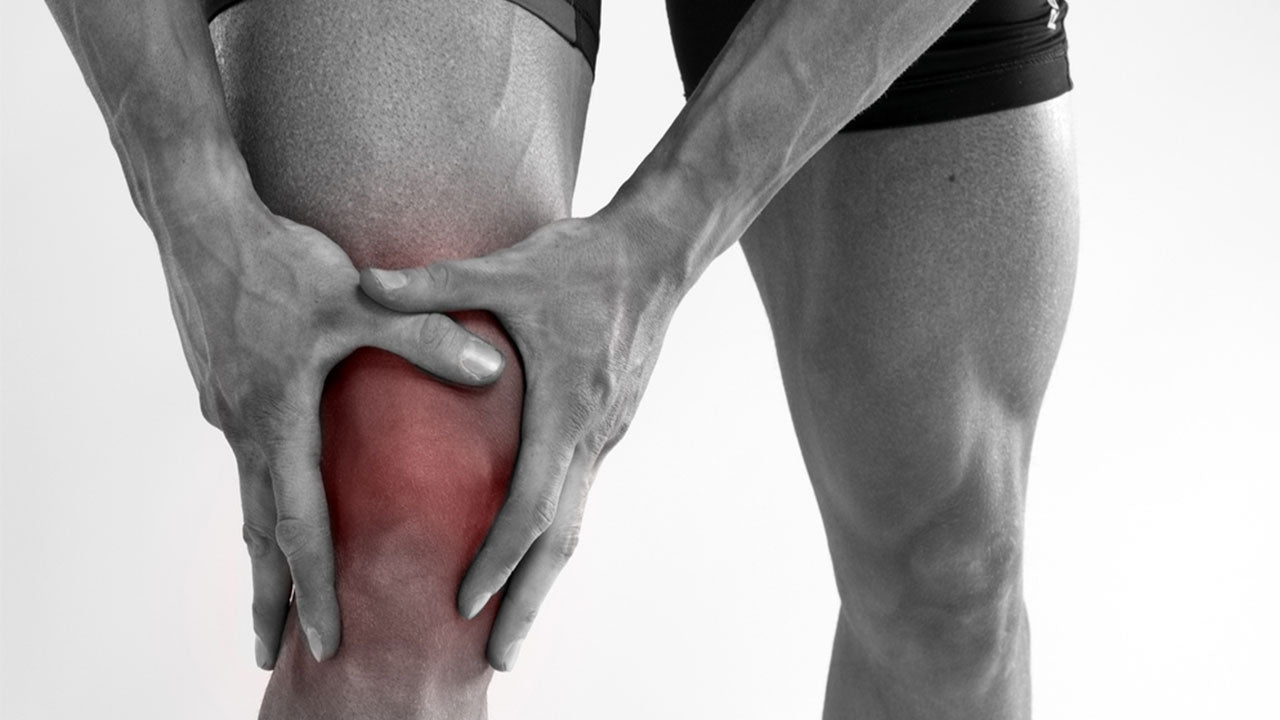
In a lot of ways, our bodies are strung together like a puppet or marionette, the strings being our tendons, ligaments, and other connective fibers and tissues. An injury, rupture, or tear to any one of these "strings" can slow down or even incapacitate the body. Tendons are the strings that connect muscles to bone, and yet the patellar or patella tendon, though so named, is actually a ligament in the knee. This article has the details regarding what causes a patellar tendon tear, how to identify it, plus how best to recover your full range of motion.
The knee joint is the meeting place of various bones (the thigh bone, shinbone, and kneecap, otherwise known as the patella), muscles (quadriceps, hamstrings, and calf muscles), and connective tissues (tendons, ligaments, cartilage, and more). The muscles are connected to the bones via tendons, while the bones are connected to each other via ligaments.
The patellar tendon is often referred to as the patellar ligament because it connects the bottom of the kneecap to the top of the shinbone (bone to bone connection). However, it is actually an extension of the quadriceps tendon, which connects the quadriceps muscle to the shinbone, which is why patellar tendon (muscle to bone connection) is the more popular terminology and the one most commonly used in sports medicine and orthopedics. Working in concert, these connective tissues allow us to straighten our knees.
A patellar tendon rupture or tear can range from mild to severe, partial to complete. Patellar tendonitis, for example, is the result of microtears sustained during misuse, overuse, or overextension, and while it often causes symptoms of knee pain, that pain is mild in comparison to what's felt during a partial tear of the tendon or a complete tear, which rips the soft tissue of the tendon into two distinct pieces.
A complete tear of the patellar tendon indicates a detachment of the kneecap from the shin and is accompanied by an inability to straighten your knee. This medical condition requires immediate intervention from an orthopedic surgeon, as sometimes a piece of the patella bone may break off along with the tendon and cannot reattach on its own.
Sports players have higher risk factors for knee injuries, as do the elderly who may suffer from accidental falls. Here are some of the common causes of complete rupture or tear of the patellar tendon.

The first step to regaining full recovery of your range of motion is to quickly identify an injury to the patellar tendon. The symptoms of a partial or complete patellar tendon tear may include:
Once you've noticed an issue and you visit a medical professional for advice, the diagnosis of a patellar tendon tear may include the following.
Depending on your age, activity level, and the nature of your patellar tendon tear, treatment options may vary.
Reattaching a torn tendon has the best results if it's done as soon as possible after the injury, because a delay could give the tendon time to begin scarring, tightening, and shortening, making it impossible to reconnect the ends cleanly. Such a situation may require a tissue graft from another part of your body or from a donor body (an allograft) to make up for the missing distance.
During the procedure, the surgeon sutures the tendon together and drills holes in your kneecap to then anchor those sutures to the bone for increased stability. Patellar tendon repair is delicate work that requires achieving the correct tension to maintain the extensor mechanism of the knee, which consists of the interworking relationship between the quadriceps muscle, the quadriceps tendon, the patella, the patellar retinaculum, the patellar tendon, and the surrounding soft tissues. It's also important for the doctor to closely match the tension of your injured knee with the range of motion you have in the uninjured knee (assuming of course that your injury isn't in both knees, as it might be if your knees collided with the dashboard in a car accident).
Your doctor will discuss with you beforehand the materials used in the procedure. Wire sutures or cables will need to be later removed with another surgery but are more stable for the initial recovery. Dissolvable sutures mean no future removal surgery, but may not be strong enough to hold your particular injury in place.
Complications even after a successful surgery could involve weakness in the joint and a partial loss of your range of motion. Reinjury is more likely in this instance, so recovery support is essential. Here are some recovery tips that may help in both surgical and nonsurgical patellar tendon tear recovery.
When healing soft tissue like tendons, ligaments, and muscle, proper amino acid support is imperative; specifically, the nine essential amino acids that we can only acquire from outside the body, either protein foods like meat, eggs, dairy, and beans, or supplements.
Without a sufficient supply of all these amino acids, our bodies often harvest healthy cells to rebuild new tissues, so in any instance of recovery (and especially after surgery), it's important to increase your protein consumption and ensure that you have a comprehensive amino acid intake.
Even with the best of luck and no complications, complete recovery takes an average of 6 months, with some patients needing a year or more to return to their pre-injury activities. Supplementing with amino acids can help shorten your recovery time.
It's recommended that you consult a licensed physical therapist at least once even if your knee pain is only the result of mild patellar tendonitis. While there are stretches we can suggest, a trained physical therapist can evaluate your individual needs and limits, plus correct your form so you don't accidentally damage your body by performing the stretches incorrectly. The most commonly advised exercise in an instance of patellar injury is straight-leg raises, seen here:
You can strengthen your legs around bad knees and prevent pain by following these instructions.
Wearing a knee sleeve while you recover and during future sporting activity helps keep the knee in place while it heals and lends extra strength and support that may help you avoid reinjuring the patellar tendon or other parts of the knee joint due to patellar weakness.
Full recovery from patellar tendon tears is very doable, as most people return to all their former activities in the long run. The leg may feel stiff going forward, but that is a small complaint in the grand scheme if you can return to beloved sporting activities and daily movements again. Once your recovery is underway, be sure to give your knees and tissues the TLC they need with targeted nutrition, exercise, and support going forward.

Be the first to know about new craveable recipes and tips for living your best life.
It's uncomfortable and downright unpleasant, but the truth is many people deal with constipation after surgery. However, with the right preparation and these seven tips, you can reduce or even eliminate your chances of experiencing the misery that is postoperative constipation.
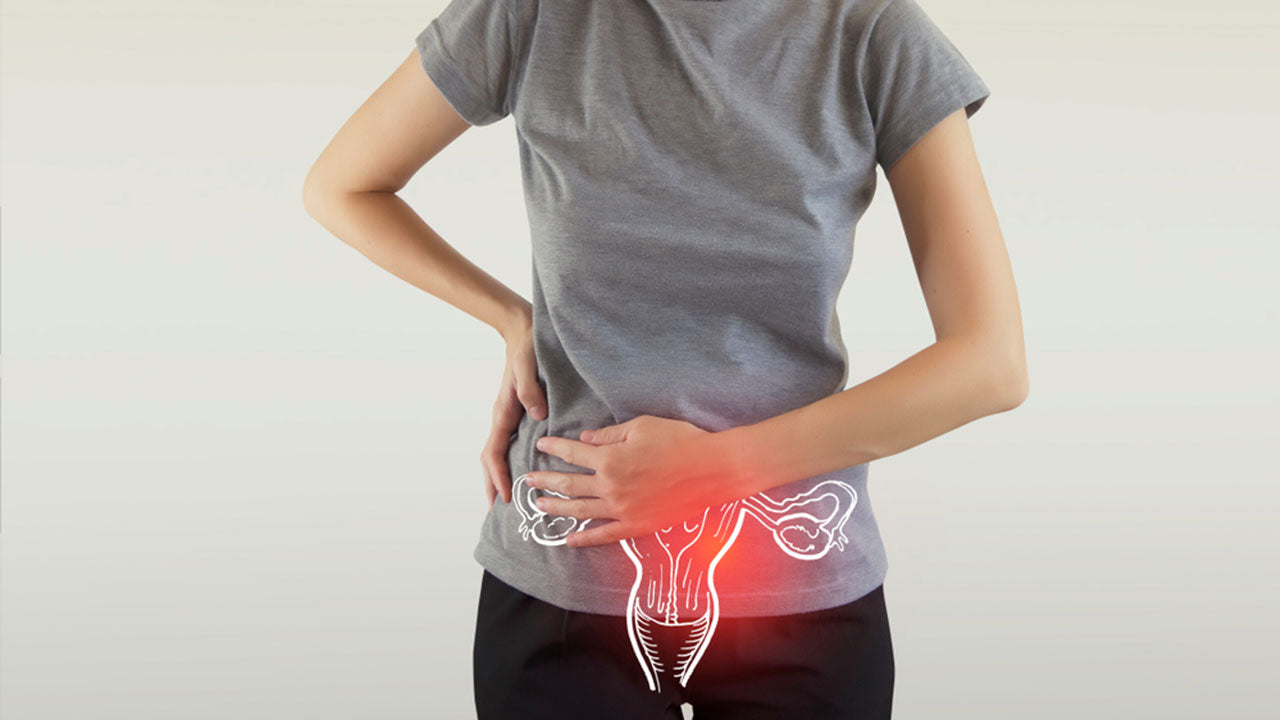
Hysterectomy is a major surgery that takes time to recover from properly. But by following a few simple steps, it's possible to speed healing and shorten recovery time. In this article, we offer up 7 hysterectomy recovery tips to help get you on the road to feeling like yourself again.
Sign up for our newsletter and let us know what you’re interested in, and you’ll also receive a free E-Book.
30 years of research... and still going.

Give us a try today.
If, for any reason, you don’t like us or our products, simply contact our support team within 60 days and we’ll happily refund you 100% of your payment.
It's our way of making sure you're completely happy with your purchase.

