

 833-264-6620





 By: by Amino Science
Anything from a calf strain to an outright muscle tear can hobble you, interrupting your ability to walk, to work out, and to enjoy your daily life. This article has details on how to rest the injured area, how long it takes for pulled or torn calf muscle recovery time, and how to strengthen the back of the lower leg to avoid reinjury going forward.
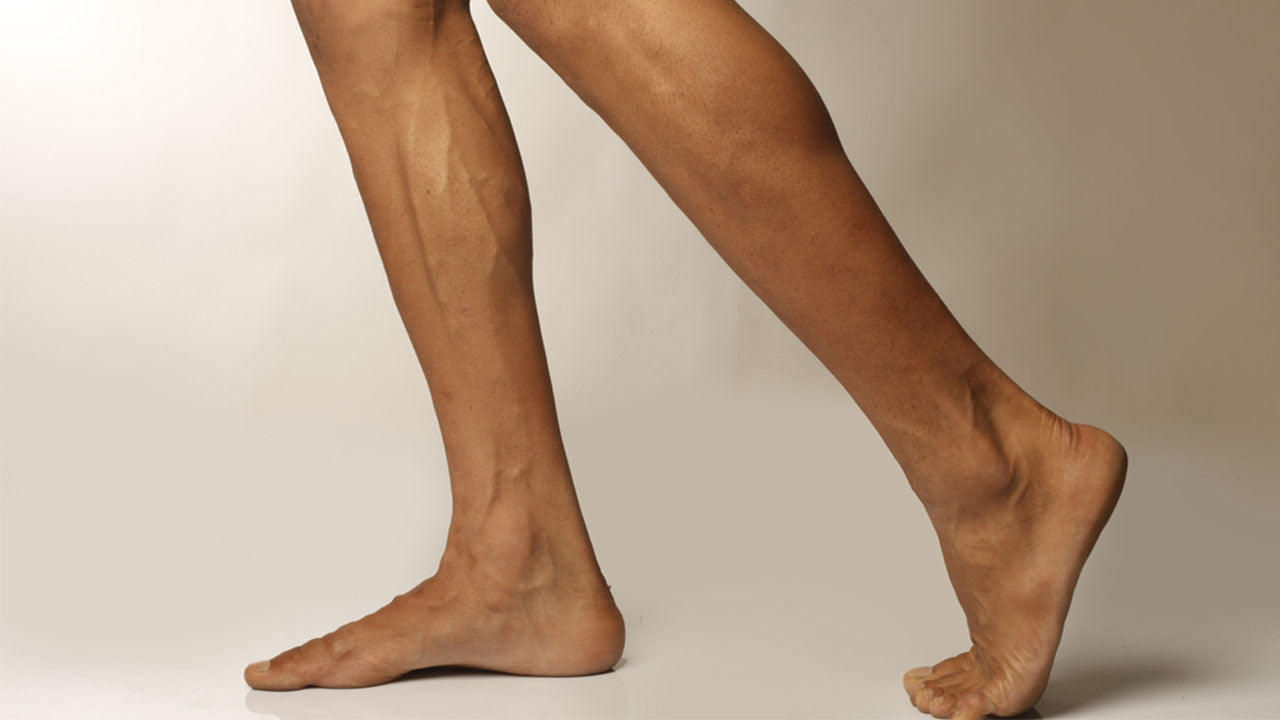
In human anatomy, the calf muscle is located on the back of the lower leg. It consists of two distinct muscles, the larger gastrocnemius muscle, which creates the visible bulge on the back of the leg, and the soleus muscle, a flatter muscle that lies beneath the gastrocnemius muscle.
The calf is attached via the Achilles tendon to the heel of the foot. The calf muscle allows us to flex the ankle and the knee, and to run, jump, and rise to our tippy toes. It's an integral part of daily movement.
There are many degrees of calf muscle injury. Here's a breakdown of the different soft tissue injuries that could be causing calf pain.

A pulled or torn calf muscle can be a brief concern, a mild injury resulting from a one-time accident or overstrain. It's a common sports injury, familiar to many athletes and runners, but one strain that is not properly healed can become a long-term chronic injury that is more likely to become reinjured multiple times. Chronic calf injuries could possibly lead to a complete calf tear and immobility. The treatment options and recovery times differ depending on severity.
A milder pulled calf injury may come with symptoms like redness, bruising, mild swelling, and an inability to stand up on the ball of your foot. Depending on the severity of the injury, these types of sprains can usually be treated at home with RICE and other healing aids. RICE stands for:
Other options for at-home treatment include a heating pad to help draw blood to the area after the first few days (just be sure not to fall asleep with the pad on as it could cause skin burns or exacerbate swelling). You might also try over-the-counter anti-inflammatories like ibuprofen—just be sure to take them as directed. For more natural aids, consider taking an amino acid supplement to increase the supply of raw materials needed to mend muscle fiber: all nine essential amino acids.
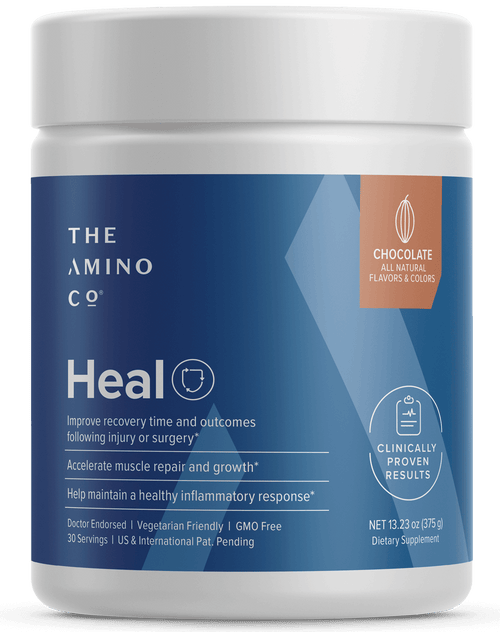
Heal is a doctor-developed amino acid supplement proven to increase recovery times and outcomes. You can learn more about the science behind Heal here.
The recovery time for a mild calf injury is a few days to a week. You may only have to take special care to treat the injury in the first day or two. So long as you don't reinjure the area by resuming vigorous physical activity too soon, your body will take care of the rest. In more severe cases it could take a month to 6 weeks to fully heal an injured calf muscle, so just be sure to listen to your body before resuming sports activities.
Symptoms of a torn calf that don't improve after a few days or start to worsen could be a sign of a more severe tear or a gastrocnemius muscle rupture. Also known as "tennis leg," calf ruptures may require surgical intervention and/or physical therapy. Prompt treatment should be sought if you suspect the injury won't improve with at-home care, as some injuries could handicap the affected leg for the rest of your life.
Keep in mind that around 30% of people who have one calf muscle strain end up experiencing repeated injuries because they're not fully healed before returning to strenuous activity. This is especially true for athletes who demand the same movements from their bodies over and over again. Also keep in mind that it's possible to herniate the muscle of a calf, prompting repeated and chronic injury.
The recovery time for a fully torn calf muscle will be longer than a simple strain and will depend on the treatment option you choose with your doctor or physical therapist, plus other factors like your age and general fitness level. Once you are healed, it's important to restrengthen your calf to avoid future injuries.
Here are some stretches and strengthening exercises you can use to help minimize the risk of calf injury and hopefully prevent future sprains and injuries.
Proper stretching helps prevent injury and strengthens the stability of your knee, improving your physical performance and protecting other areas of the leg from getting hurt. For more specific medical advice or help with your technique, consult with a doctor or qualified physiotherapist.
Calf injuries are relatively common in sports medicine and physiotherapy and can quickly become debilitating if they keep you from walking. Be extra cautious as you heal these injuries to reduce recovery time. And be sure to consume the right amount of amino acid nutrition to build new muscle fibers. The faster you heal, the better chance you have to return to your full range of motion and make instances of further injury less likely.

Be the first to know about new craveable recipes and tips for living your best life.

Find out how trigger point injections work, what the procedure entails, and what the post-procedural care requires. This treatment option for myofascial pain syndrome could help restore your quality of life.
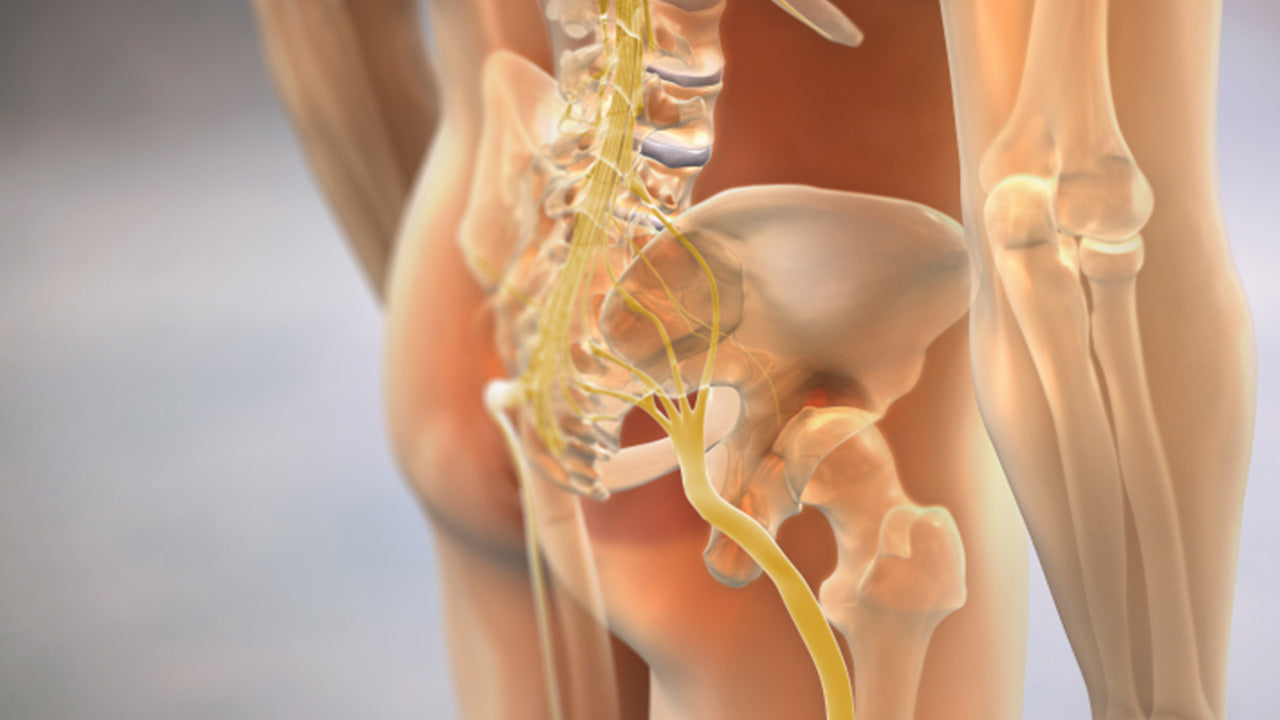
Pinched nerve in hip? This common condition can be painful and frustrating to treat. However, with conservative care and targeted exercises, most cases of pinched nerves can be easily treated in the comfort of your own home.
Sign up for our newsletter and let us know what you’re interested in, and you’ll also receive a free E-Book.
30 years of research... and still going.

Give us a try today.
If, for any reason, you don’t like us or our products, simply contact our support team within 60 days and we’ll happily refund you 100% of your payment.
It's our way of making sure you're completely happy with your purchase.

