

 833-264-6620




 By: by Amino Science

The human body has well over 600 distinct muscles that control just about every function we perform, from our motor skills to blinking to breathing. Each muscle contains a unique ratio of muscle fiber types that defines its use and purpose. These muscle fiber types change during human growth and development, and also in cases of neuromuscular disease and dysfunction. Let's review the various types of muscle fibers in the body, what weakens them, what strengthens them, and what you can do to influence and benefit your own muscle growth.
The word muscle comes from the Latin word musculus, which translates to "little mouse." Muscle cells are made up of protein filaments (myosin and actin) that contract by sliding past one another, causing the cell itself to bunch and then lengthen back and forth. Muscles pump our blood, transport our food through the digestive tract (peristalsis), and allow us to bend, walk, reach, and move throughout the world.
There are three types of muscles: cardiac, smooth, and skeletal (or striated). These three can be classified as either voluntary or involuntary muscles. Skeletal muscle fibers can be further classified into fast-twitch and slow-twitch muscle fibers. For further specifics, read on.
Here are the types of muscle fibers currently at work in your body.
The most specialized of the bunch, cardiac muscle fibers control cardiac contractions (your heartbeat).
Cardiac muscle (myocardium) is an "involuntary" muscle that is found exclusively in the heart. It contracts on its own, usually regularly, except in cases of skipped or extra beats (palpitations), which are interruptions to the heart's rhythm that are common among people of all ages and all health conditions, though sometimes they are caused by outside influences such as fatigue, stress, or caffeine or alcohol consumption.
Cardiac muscle is also known as a "striated" muscle because it is made up of sarcomeres, the basic structural unit of the muscle. Sarcomeres are divided into bands of filaments made of myosin or actin (otherwise known as myofibrils, the elongated contractile threads in muscle cells). These parallel bundles appear as stripes under a microscope, hence the word striated, which can also refer to anything marked with striations like scratches, grooves, or channels in a parallel series, such as the furrows and lines in rock walls.
Striated muscles contract and relax in quick bursts, while smooth muscles maintain prolonged and nearly permanent contractions.
The other "involuntary" muscle type is smooth muscle. Smooth muscle fibers are those that apply pressure in the blood vessels and organs such as the bladder, uterus, intestines, esophagus, stomach, bronchi, urethra, and the arrector pili (small muscles that contract to make each of your hairs stand on end).
Just as with your heart muscle, you cannot consciously control these muscles. They act on a deeper physiological authority.
Skeletal muscles are attached to your skeleton and are "voluntary" muscles because under normal circumstances you can control them. These muscles are also striated and are enveloped in three layers of connective tissue (mysia) that wrap around and enclose entire muscles and also compartmentalize the fibers within.
The outermost layer of the mysia is called the "epimysium," which allows for contractions, provides structure, and isolates the skeletal muscles from surrounding organs. The innermost layer is the "endomysium," which surrounds each muscle fiber. The middling layer is the "perimysium," which wraps specific groups of muscle fibers to form a "fascicle" or bundle. These divisions allow for precision of movement, especially in the limbs, so that the nervous system can trigger isolated muscle fiber subsets.
A person's body is made up of between 36% (women) and 42% (men) skeletal muscle mass. Each of these muscles is connected to blood vessels that supply oxygen, nourishment, and waste removal. However, there is further distinction among skeletal muscle fiber types.
The fast-twitch muscle fibers have the most potential to grow and develop as you work out and exercise, but before we discuss how to better build muscle, let's quickly cover what can afflict the various muscle fiber types.

There are certain afflictions of the musculature that are caused by functional defects either through an indirect disruption of the nervous system's communications or a form of muscle pathology at the cellular level. What follows is not a complete list of neuromuscular diseases, but it is an indication of the types of diseases that are largely debilitating, as they can lead to wasting and muscle atrophy.
Diseases of the musculature are often incurable, but that is all the more reason to value and prioritize healthy, functional muscles as long as you have them. Exercise can increase the growth (not the number) of fast-twitch fibers and help strengthen fatigue-resistant fast fibers.
So without further ado, here's a breakdown of what workouts target which muscle fiber types and tips on what you can do to better support muscle function.
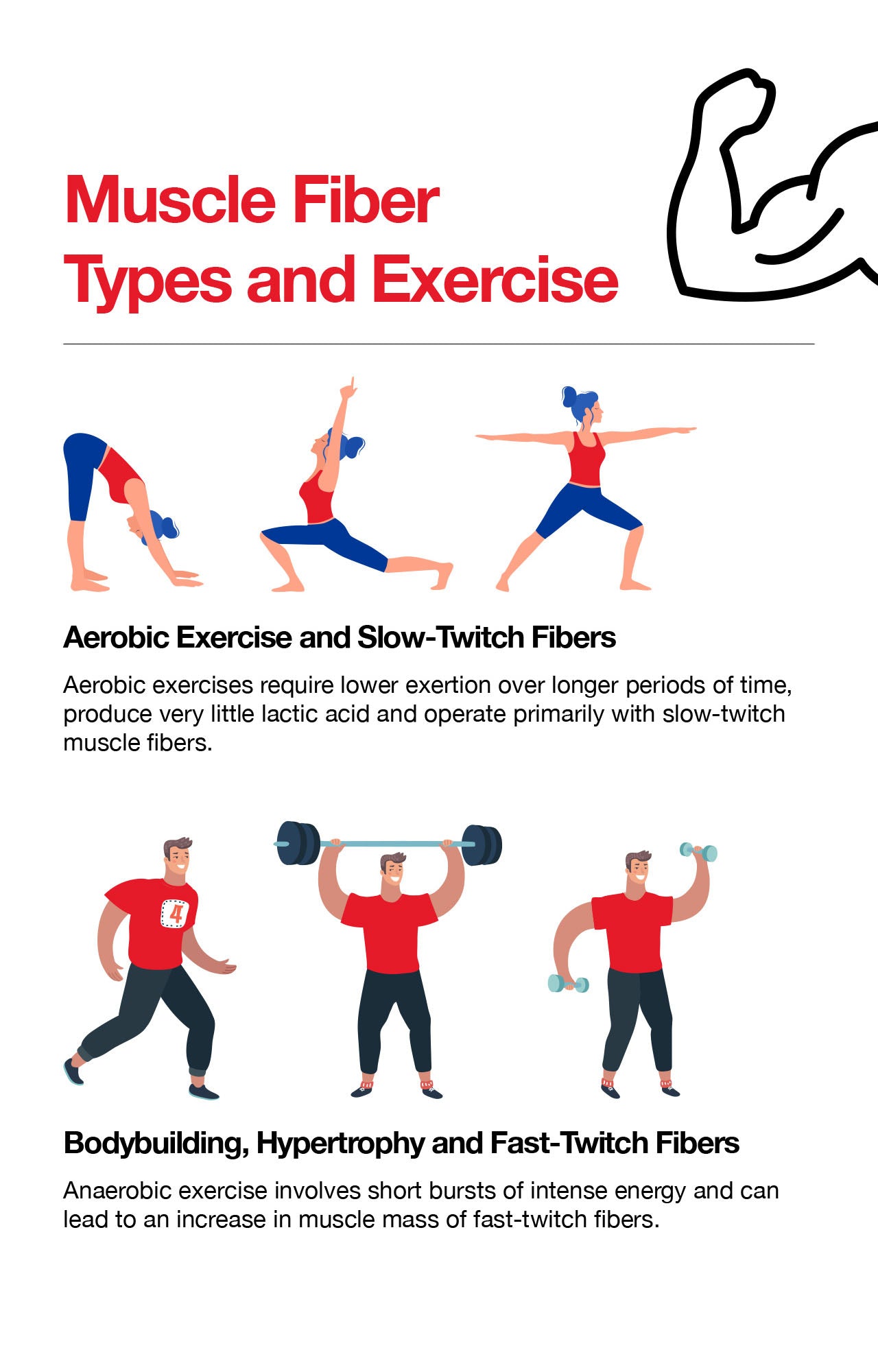
It's widely known that exercise helps increase muscle and bone strength and can improve one's balance, motor skills, and fitness. Aerobic exercise entails lower levels of exertion over longer periods of time. Examples include the classic marathon, but also activities like walking, hiking, jogging, running, spinning, swimming, dancing, kickboxing, cross-country skiing, and the use of cardio machines.
From the Greek aēr meaning "air" and bios meaning "life," aerobic indicates exercises intended to utilize free oxygen and improve the body's efficiency at absorbing and transporting that oxygen. These athletic events use a far higher amount of slow-twitch muscle fibers, which fuel themselves with a mix of carbs, protein, and fat, but with a low-glycolytic and high-oxidative capacity (lower use of quickly depleted sugar energy from carbs, higher use of longer-term fuel from fat stores for muscle contractions).
Aerobic workouts utilizing slow-twitch muscle fibers consume large amounts of oxygen but produce very little lactic acid (which contributes to delayed onset muscle soreness).
One of the most apparent effects of anaerobic exercise (activity that is either absent of or not targeted towards oxygen use) is muscle hypertrophy, meaning muscle increase and bodybuilding. Fast-twitch muscle fibers are largely used for short, intense bursts of energy, like sprinting, jumping, and weight lifting. These actions rely on glucose (sugar) or ATP (adenosine triphosphate) for energy, and consume very little fat, protein, or oxygen, but produce a lot of lactic acid as a result.
Lactic acid becomes an issue not only in later muscle soreness, but also in inhibiting ATP generation. Intense anaerobic activity also redistributes potassium ions within the muscle, which interrupts water and nutrient transport as potassium is an electrolyte. The lack of sufficient potassium can lead to muscle cramps if levels are off-balance.
Furthermore, anaerobic strength training exercises cause microtears in the muscle, tears which do lead to increased muscle mass when they are repaired, but also cause pain and sometimes a delay in training if the repair takes too long.
As a general rule, men find muscle-building easier to achieve than women thanks to the growth hormone advantage of having more testosterone, but every bodybuilder experiences the same struggles when it comes to increasing and maintaining type II fiber growth in their muscles. There are ways to boost your advantage.
Not all physical activity exists in a binary world between aerobic and anaerobic, some (like rock climbing or soccer) require both. How can you naturally support both types of muscle fiber in each individual muscle for comprehensive coverage during your workout? Here's how.
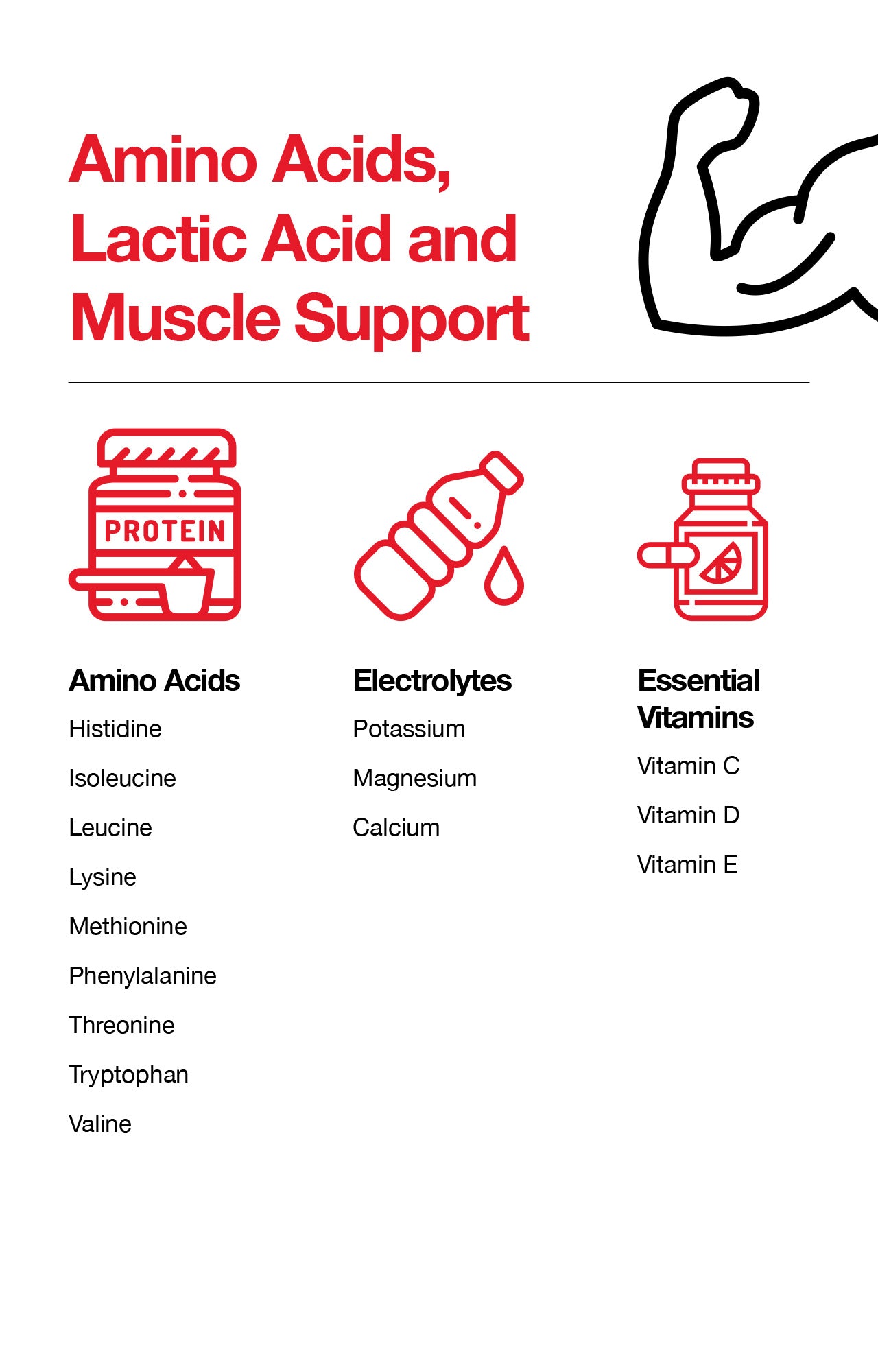
Improving amino acid utilization has been found to help attenuate sarcopenia, in a sense reverse the effects of aging and atrophy on human muscles. Moreover, when it comes to building new muscle cells, essential amino acid support (including the branched-chain amino acids known well among bodybuilders) is crucial—if you lack any one of the necessary nine aminos, your body may catabolize (cannibalize) healthy muscle tissue to make up for what it needs.
The essential amino acids required to repair and build new muscle include:
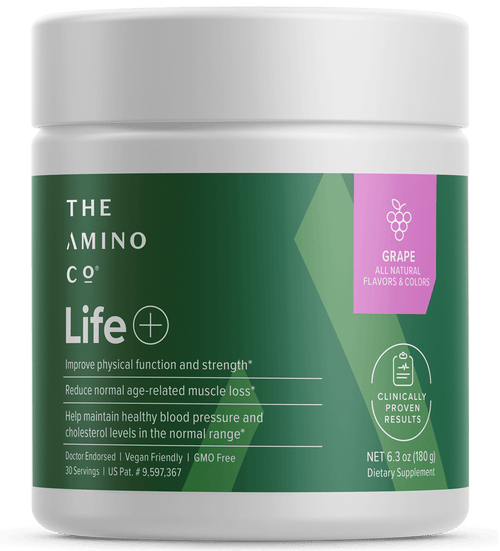
When supplementing with amino acids, don't just stop at BCAAs, because an imbalance of the nine essential amino acids (EAAs) can be counterproductive if your body has to rip those missing aminos from other cells. To help keep your muscles healthy at every age, we recommend Life, an essential amino acid supplement proven to enhance physical function and muscle strength.
Here are a few proven helpers for cutting down on lactic acid buildup and increasing your workout potential.
Drinking orange juice before a workout has also been shown to help lower levels of lactic acid and improve physical performance, but more on that below.
Don't miss out on these key vitamins for workouts and muscle fiber support.
When it comes to muscle fibers, there are many types at work in your body all the time in an automatic capacity. The muscle fiber types you have control over are the voluntary ones, your skeletal muscles that can be built up and improved by how you exercise and how you supplement. We encourage you to take advantage of the miracle that is a healthy and functioning musculature and treat your muscles well by giving them the fuel and purpose they need.
Be the first to know about new craveable recipes and tips for living your best life.

The acronym "BCAA" stands for branched-chain amino acids. Read on to learn about the science behind the much-hyped beneficial effects of BCAA amino acids, including crucial information on how to maximize the impact of increased BCAA intake.

Discover how to build muscle and maintain strength after turning 50: types of workouts, frequency of workouts, and how to supplement effectively now that you're half a century strong.
Sign up for our newsletter and let us know what you’re interested in, and you’ll also receive a free E-Book.
30 years of research... and still going.

Give us a try today.
If, for any reason, you don’t like us or our products, simply contact our support team within 60 days and we’ll happily refund you 100% of your payment.
It's our way of making sure you're completely happy with your purchase.

