

 833-264-6620




 By: by Amino Science
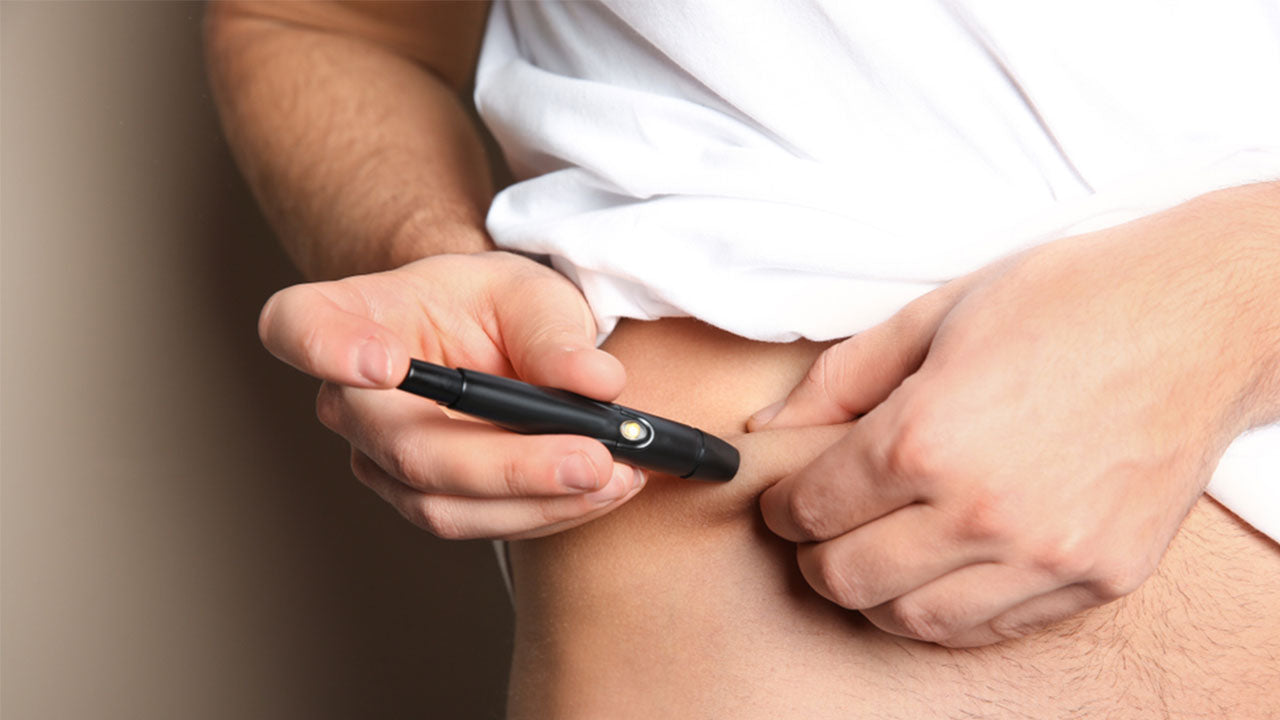
Thirty-three percent of Americans are insulin resistant. The good news is that there are natural ways to reverse insulin resistance before it progresses to prediabetes and full-blown diabetes. We've got natural remedies for insulin resistance coming right up, but first, let's get a better understanding of this extremely health-compromising condition.
Insulin resistance is a metabolic condition that signals the body’s cells’ inability to respond to the hormone insulin. The pancreas secretes insulin, which allows for glucose absorption in your body’s cells under normal conditions. Abnormally high blood sugar, or glucose, levels trigger a copious secretion of insulin, and over time your body may develop an insensitivity or "resistance" to insulin. If your cells, particularly your muscle cells, develop insulin insensitivity, blood sugar levels remain high—which can lead to type 2 diabetes mellitus and other serious diseases, such as high blood pressure, high cholesterol, and arteriosclerosis.
Old age, ethnicity, and genetics are insulin resistance risk factors that you cannot control. For example, if you have a parent or sibling whose metabolic condition has advanced to type 2 diabetes, you are likely predisposed to developing diabetes or associated conditions, e.g., prediabetes or insulin resistance. In such cases, regular testing, lifestyle changes, and medical consultations can help prevent related complications.
Uncontrollable risk factors notwithstanding, the quality of your diet and your physical activity levels are usually good indicators of whether you are at risk of developing insulin resistance. In the long run, poor dietary choices and an inactive lifestyle herald one form of illness or another, and the key to reversing insulin resistance and other conditions is to make appropriate dietary changes, such as avoiding processed foods, and start exercising consistently.
Reversing insulin resistance sooner is better. Establishing preventative measures to ameliorate your health puts you in the liberating position to choose less toxic treatment alternatives before more drastic measures are required. Here are several natural remedies for insulin resistance to get you started.
Abnormally high blood sugar levels characterize prediabetes—which, like insulin resistance, is a precursor to type 2 diabetes. Prediabetes and insulin resistance symptoms—including blurry vision, regular infections, frequent urination, tingling in legs and feet—can go unnoticed. Your doctor can administer a blood sugar test to check for both blood glucose and high insulin levels. Metformin is a common pharmaceutical drug considered effective at preventing and treating type 2 diabetes. But there are natural alternatives for reducing blood sugar levels and restoring your insulin sensitivity.
Here are some healthy diet tips you can start implementing immediately:

Excess weight, especially in the abdominal region, decreases insulin sensitivity. Hormones secreted by abdominal fat cells may trigger insulin insensitivity.
Insulin resistance may also impede weight loss. The earlier you halt the accumulation of fat cells the greater your chances of reversing insulin resistance. Here are some tips for shedding excess weight:
A sedentary, non-active lifestyle is a major cause for high blood sugar levels, and over time this may lead to insulin resistance. Depending on the type of exercise, you can burn glucose immediately and increase your insulin sensitivity.
A 2018 study in the journal Pediatric Diabetes showed that just one exercise session improved insulin sensitivity for normal weight as well as obese and overweight adolescents. The more muscles that you have to engage, the more glucose you can potentially burn. For maximum effect, try vigorous aerobic exercises and utilize large muscle groups during weight-training segments of your workout. Both types of training increase insulin sensitivity.
Keep in mind that weight loss is not an indicator of glucose-burning success. Muscle mass weighs more than body fat. As you develop major muscle groups, such as your gluteal muscle group in the buttocks region and the quadricep muscles in your thighs, your weight may shift or increase with frequent weight-training exercise.
When it comes to maintaining good health, many people consider sleep a low priority. However, lack of regular sleep can lead to a host of complications including heart disease, insulin resistance, and type 2 diabetes. A study published in the journal Diabetes, Nutrition & Metabolism shows that participants deprived of sleep over a 24-hour period developed insulin insensitivity as a result. An average of 8 hours of uninterrupted sleep per night is recommended for most age groups.
Make sleep a top priority in order to reverse insulin resistance. Many factors may adversely affect your ability to get good rest. Eating a heavy meal within two to four hours of bedtime may cause frequent trips to the bathroom and heartburn symptoms throughout the night. A natural, non-allergenic fiber, like cotton, is a good choice for sheets and sleep attire. Sleeping in a dark room that has a slightly cool temperature can make a huge impact on the quality of your sleep.
Cortisol and glucagon are hormones that your body produces when it detects stress. Glucagon increases concentrations of fat and glucose in the bloodstream. Cortisol decreases insulin sensitivity by increasing the synthesis of glycogen—a polysaccharide of glucose—in the liver. The glycogen is then converted to glucose, an immediate source of energy.
When you are stressed your body prepares for heightened response. In anticipation of the energy expenditure, your body produces cortisol and glucagon hormones that signal a superfluous need for glucose. Constantly “sweating the small stuff” can lead to big health problems. Always consider how your mental state may affect your overall health. Setting limits, pacing yourself, and taking frequent breaks are just a few ways to diminish daily stress and increase insulin sensitivity.

Be the first to know about new craveable recipes and tips for living your best life.
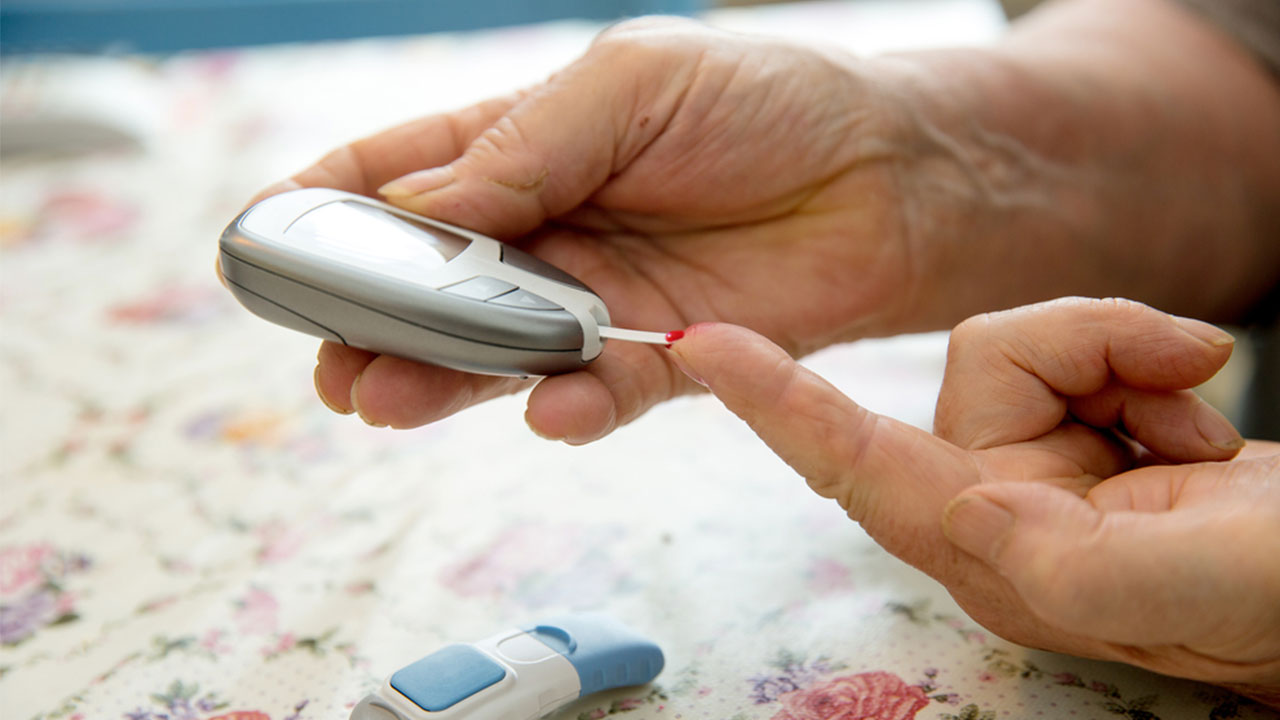
Type 2 diabetes is a devastating illness that affects millions of people worldwide. Healthy lifestyle choices are key to reversing type 2 diabetes cases whenever possible.
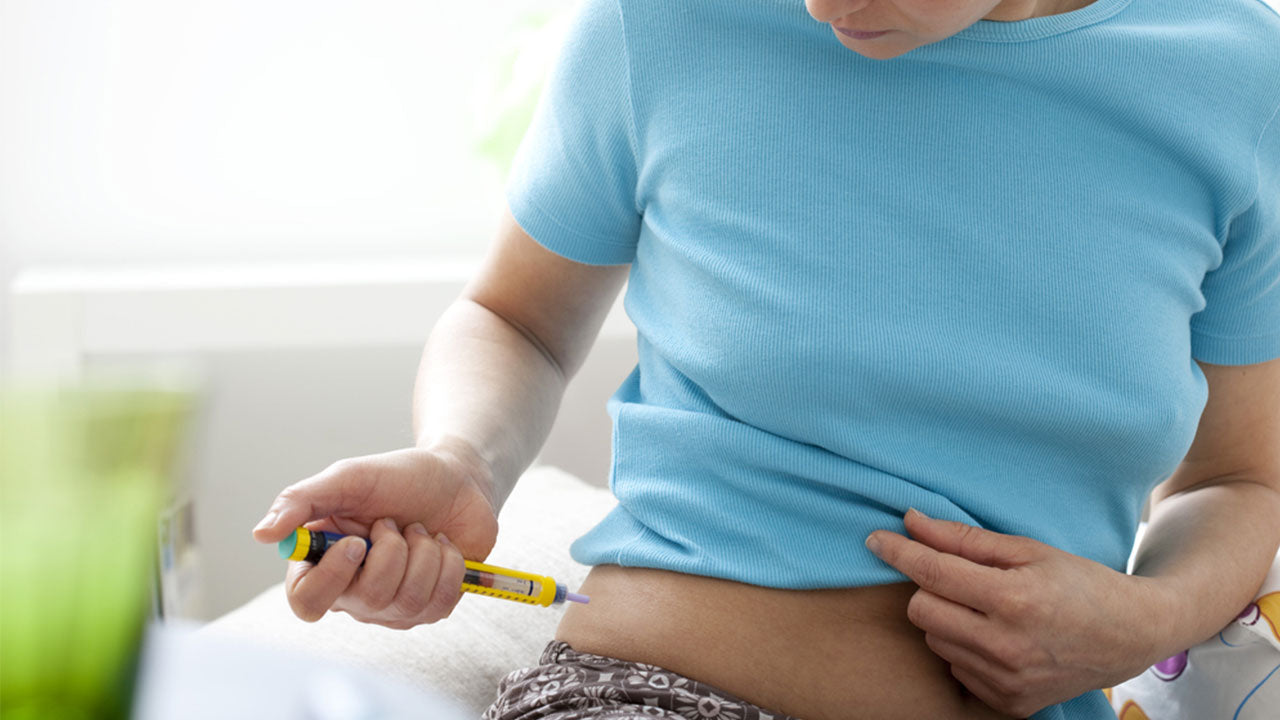
There are two types of diabetes: type 1 and type 2. In this article, we’re going to take a look at what causes type 1 diabetes, how to tell if you might have it, and what to do if you’re diagnosed.
Sign up for our newsletter and let us know what you’re interested in, and you’ll also receive a free E-Book.
30 years of research... and still going.

Give us a try today.
If, for any reason, you don’t like us or our products, simply contact our support team within 60 days and we’ll happily refund you 100% of your payment.
It's our way of making sure you're completely happy with your purchase.

