

 833-264-6620




 By: by Amino Science
Even the most normal spine has some degree of curvature, but the spinal cords of individuals with scoliosis curve far too much. Scoliosis can affect people of all ages, from babies to adults, but it most often appears in late childhood just prior to the onset of puberty.
In most cases, scoliosis in children and adolescents does not require treatment, as the exaggerated spinal curve corrects itself during their continued growth process. Depending on the degree of curvature of the spine as well as the age at the time of diagnosis, doctors may recommend a combination of bracing and physical therapy exercises.
To treat severe scoliosis, surgery may be required. Scoliosis surgery can come with complications including chronic pain, decreased respiratory capacity, and limitations to physical movement, so it's only used when the benefits outweigh the risks.
In this article, we’ll take a closer look at this condition and share everything you need to know about scoliosis, from risk factors to symptoms of scoliosis to the best ways to treat each type of scoliosis.
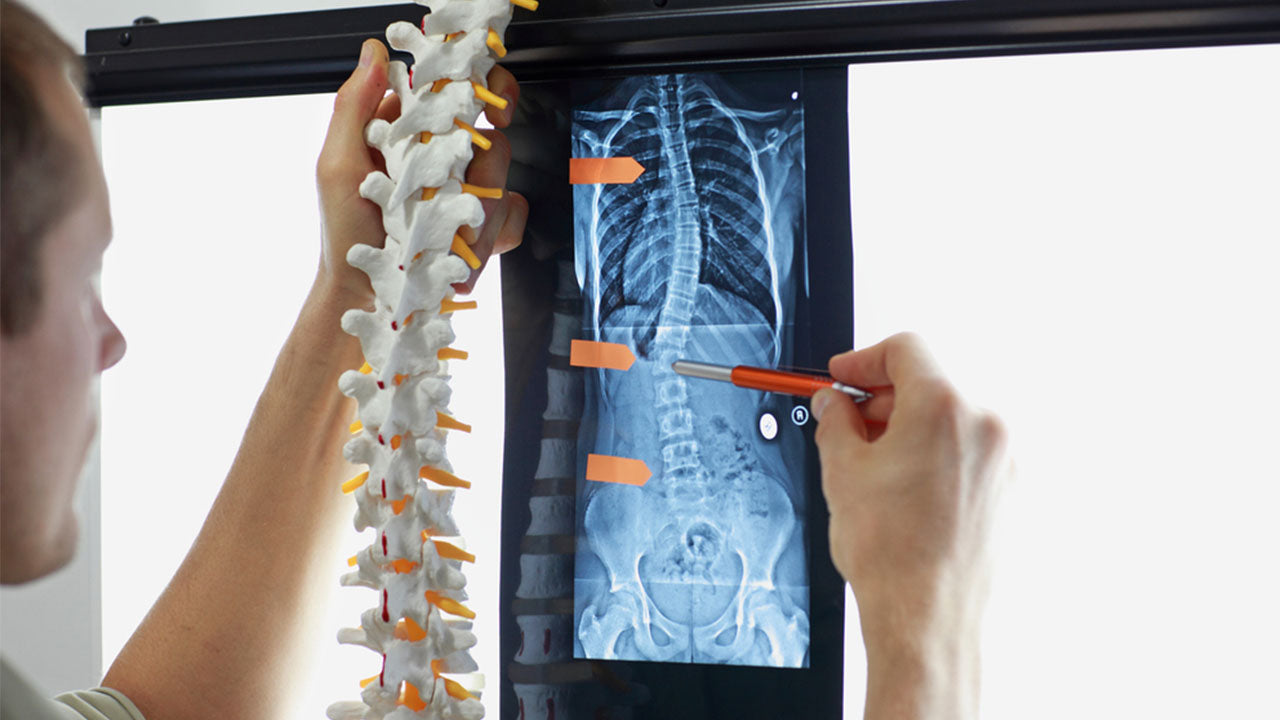
Scoliosis (pronounced sko-lee-o-sis) occurs when the spine has a sideways curvature. In order to be classified as scoliosis, the curvature of the spine must be greater than 10 degrees on an x-ray, resulting in a S or C shape. It can affect any section of the spine but is most often seen in the lower back and directly behind the chest. The bones in a scoliotic spine may also have rotated slightly, which can make a person's waist or shoulders look uneven.
Scoliosis can develop at any point from infancy to adulthood. It is most frequently seen in children who have yet to reach puberty, around 10 to 12 years old. Scoliosis sometimes coincides with a growth spurt and appears more often in girls than in boys. Treatment is not always necessary for mild cases, and most people are able to participate in all kinds of physical activities without complications and live fulfilling, unrestricted lives.
By far the most common type of scoliosis is what's called idiopathic scoliosis, which means, essentially, "of no known cause." According to the Scoliosis Research Society, more than 80% of all cases of scoliosis fall into this category.
That said, experts have identified seven types of scoliosis:
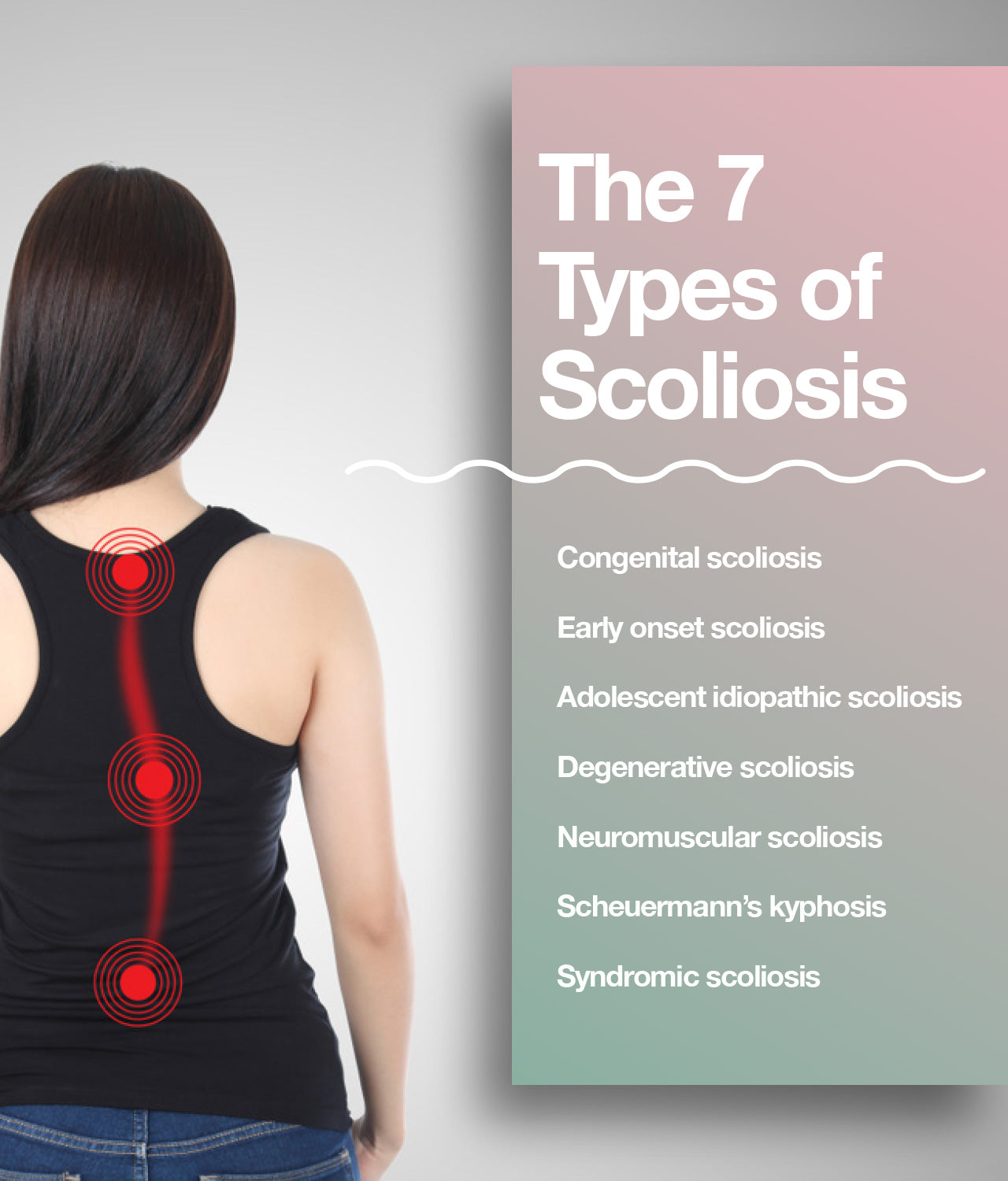
What causes scoliosis is not always easy to pinpoint. As touched on in the preceding section, statistics show that the cause of scoliosis cannot be identified in 8 out of 10 cases. While some instances may be linked to an undiagnosed underlying condition, meaning they would be properly categorized as syndromic scoliosis, many of them are simply the result of genetics.
Around 3 in 10 young adults with idiopathic scoliosis have a family history of the condition, according to the American Academy of Orthopedic Surgeons. This can cause scoliosis to develop during gestation or much later in life when wear and tear weakens a spine predisposed to twist and curve. A multitude of other causes can play into the development of scoliosis, including infections or fractures involving the spine.
Perhaps because it can be so frustrating trying to identify the cause of scoliosis, many misconceptions and false assumptions have cropped up about possible causes. Despite what some misleading sources claim, none of the following factors contribute to the development of scoliosis:
Signs of scoliosis are not always obvious at first and may gradually appear over time. Especially in young individuals, the condition is often missed until a growth spurt. In adults, many back issues may be blamed on other conditions like arthritis and an accurate diagnosis may be delayed. Identifying scoliosis early can be crucial when it comes to remedying the problem before it worsens and results in more serious issues.
Typically the mild curves that present during the early stages of scoliosis do not cause pain, but individuals may experience discomfort if they overcompensate for the parts of the skeleton that are off balance by standing or walking awkwardly. Back pain can become more persistent if the spine continues to curve and the condition worsens.
The precise symptoms of scoliosis vary depending on the age at which the condition presents. When scoliosis presents in late childhood, adolescence, or adulthood, some indicators to look for include:
When scoliosis appears in infancy, however, key symptoms to look for include:
To develop a treatment plan for scoliosis, a doctor will conduct a physical examination of the spine, shoulders, head, ribs, and hips. An instrument called a scoliometer, or inclinometer, can measure the asymmetry of the spine in degrees. While you are bending forward, the doctor will place the scoliometer over the spine and take the measurement.
Imaging scans such as x-rays, CT scans, and MRIs may also be used to assess the shape, direction, location, and angle of the curve.
The earlier scoliosis is treated the better, but the exact plan of action depends on how old you are, the current condition of the spine, and whether a doctor believes the curve could worsen as time goes on.
There are two types of spinal curves: structural curves and nonstructural curves. Structural curves are permanent while nonstructural curves are temporary and will most likely resolve with time.
Often, children with scoliosis have mild, nonstructural curves that do not require treatment. In these cases, a doctor will often recommend following up every 4 to 6 months to monitor the curve of the spine in clinic and periodically with x-rays.
When deciding on treatment options, a doctor takes into consideration the following factors:
Mild scoliosis can often be treated with exercises, such as yoga and targeted stretching, that strengthen the spine and surrounding muscles. This treatment approach should be guided by a doctor who will monitor progress closely to look for changes and to see if these self-care practices improve the condition.
The specific exercises used to treat scoliosis vary depending on which school of thought the practitioner in question follows. That said, the goals of all the exercises remains consistent: to realign the spine, rib cage, shoulders, and pelvis so that a correct, upright posture can be achieved.
If a doctor determines that a more aggressive treatment is needed, there are three basics approaches to consider.

For cases of scoliosis that require more serious medical intervention than at-home exercises, a doctor may suggest a back brace to stop, or slow, the worsening of the spinal curvature.
This method is most helpful in younger patients whose skeleton is still developing. It does not change the shape of the spine, but instead prevents further changes while the person continues to grow. It's typical for these types of braces to need to be worn consistently throughout the day and night in order reap the biggest benefits. Doctors usually recommend that they only be removed for bathing. The more hours a day a patient wears the brace, the better the results will be.
The braces available today do not overly restrict movement, but may need to be taken off to allow for participating in sports and other types of physical activity. One study found that when bracing is used on young adults with idiopathic scoliosis, it helped minimize the chances of the condition worsening or requiring surgical treatment.
There are two basic types of braces:
Once the bones have fully matured, the use of braces can be discontinued.
This can be a very helpful treatment approach in infants and young children as, unlike bracing, it can actually correct spinal curvature, especially when done at a very early age and in those with smaller curvatures. The age cap can go up to 10 years, but most practitioners are reluctant to cast after age 6. Doctors mold plaster casts around the outside of the body. The casts must be regularly updated—on average, every 2 to 3 months—to allow for the child's growth.
The benefit of casting is that it helps the spine grow straighter and ensures the lungs and chest have space to develop correctly. It can slow or eliminate the need for surgery.
Surgery is the last recourse, to be used when all other measures have been exhausted. However, when the curvature has become too great or symptoms too disruptive, spinal surgery becomes the best option.
The specific surgical treatment is determined based upon the shape of the spine, height, and whether or not other areas of the body are negatively affected by the spine’s shape and curve.
Spinal surgery may involve:
In childhood cases, the rods will need to be extended every 6 months to account for growth. This does not require being admitted into the hospital and can be done during a daytime office visit. Once the spine has fully developed, the rods are removed via surgery.
The best approach to scoliosis is a proactive one that involves practicing regular exercises and working with a doctor to take preventative measures. It is possible to slow spine curvature and minimize any associated symptoms. Activities like yoga and pilates can greatly improve flexibility, strengthen muscles that support the spine, and enhance overall health and wellness.


Be the first to know about new craveable recipes and tips for living your best life.
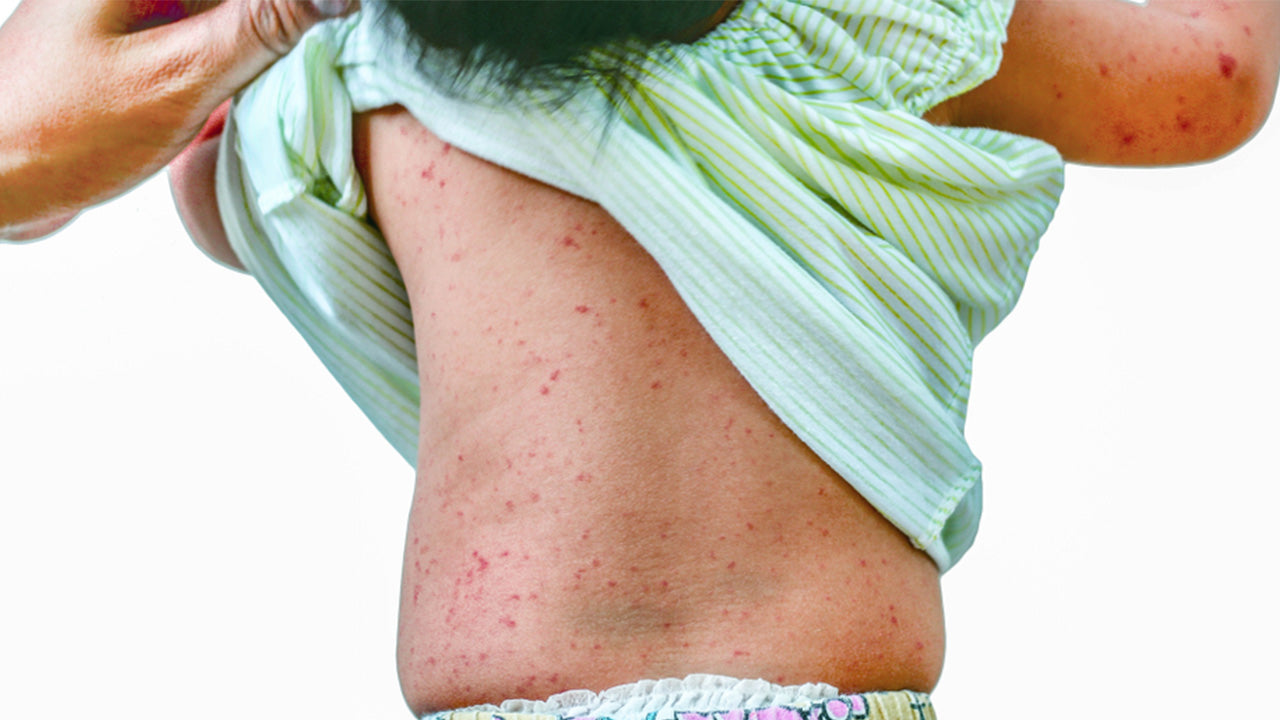
Roseola occurs most commonly in children 6 to 24 months of age. It can also affect adolescents, teens, and adults. Usually, it has a sudden onset and relatively short duration and resolves without any treatment.
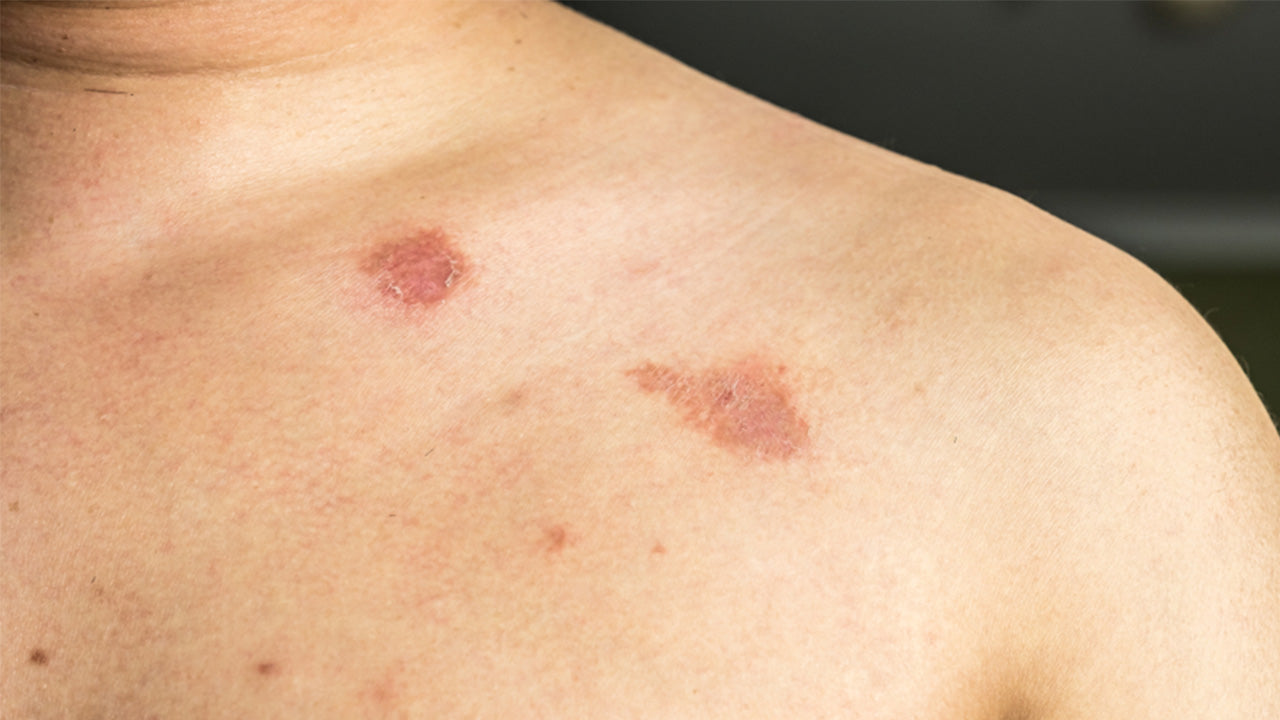
What is ringworm? Where does the worm come from? Ringworm isn’t a worm at all. It is a fungal infection of the skin that takes on the appearance of an irritated, inflamed, or flaky red worm. Learn all about the causes, symptoms, and remedies.
Sign up for our newsletter and let us know what you’re interested in, and you’ll also receive a free E-Book.
30 years of research... and still going.

Give us a try today.
If, for any reason, you don’t like us or our products, simply contact our support team within 60 days and we’ll happily refund you 100% of your payment.
It's our way of making sure you're completely happy with your purchase.

