

 833-264-6620




 By: by Amino Science
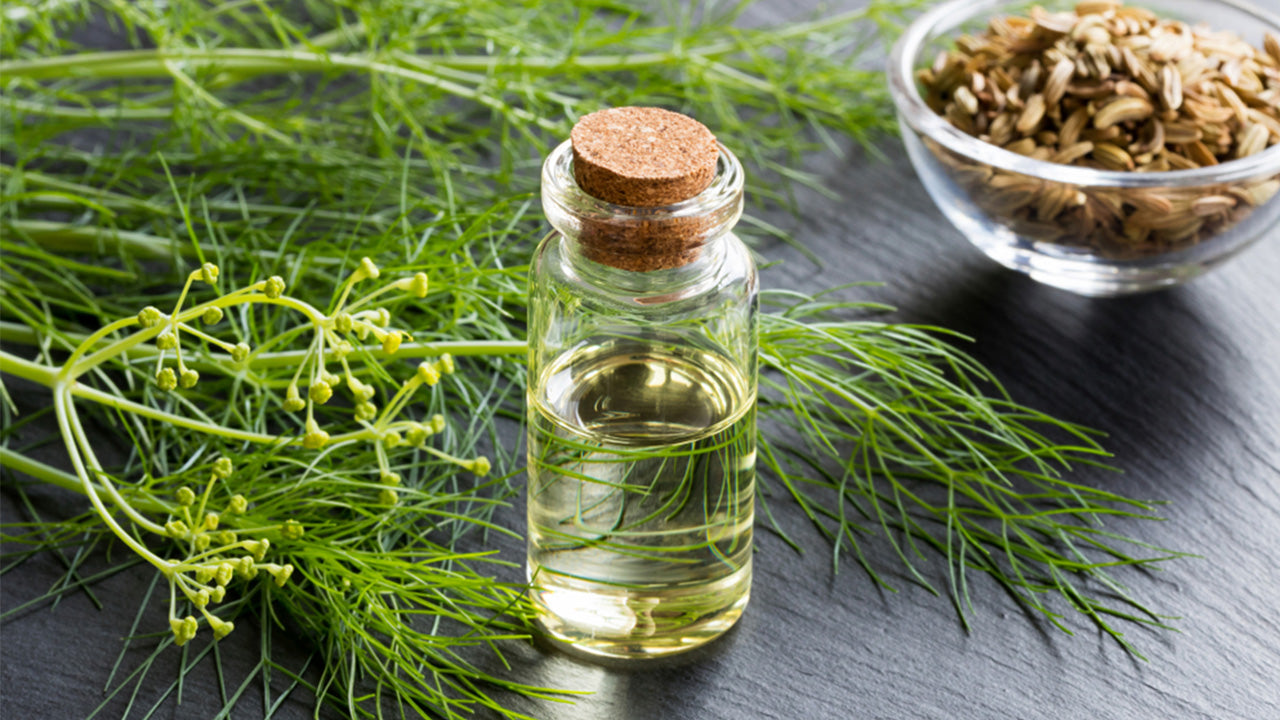
Indigenous to the Mediterranean, fennel is grown the world over and celebrated in recipes and for its medicinal properties. It’s a hardy herb with a large white bulb and green fronds. Related to carrots, fennel is commonly used in Italian recipes—it gives Italian sausage its unique flavor. The bulb, seeds, fronds, and pollen are edible and used in many culinary applications, but fennel essential oil is made from fennel seeds.
Distilled from the seeds of the fennel plant, fennel essential oil has a slightly spicy flavor with a hint of earthy herbaceousness. Sweet fennel oil definitely tastes of anise or licorice, a taste that is not pleasing to everyone.
Fennel essential oil has been used for thousands of years in ancient medicinal practices by the Chinese, Romans, and Egyptians. It is most widely recognized for its ability to soothe upset stomachs and relieve gas and bloating.
This powerful essential oil demonstrates strong antiseptic properties and when diffused it can stimulate the brain. Sweet fennel oil can be applied topically to wounds, added to massage oils and bathwater, diffused, or used in recipes.

In a recent study published in the Pakistan Journal of Biological Sciences, scientists have identified that both rosemary essential oil and fennel essential oil show cardioprotective properties and hepatoprotective properties and they both fight oxidative stress. The researchers note that fennel essential is more efficient at fighting inflammation than rosemary oil.
A 2018 clinical study published in the peer-reviewed journal Annals of Gastroenterology, has found that a combination of fennel essential oil and turmeric improves symptoms of IBS in two months and significantly augments quality of life scores in patients with irritable bowel syndrome.
Researchers from Brazil have identified that a variety of essential oils from dill, cumin, anise, and fennel effectively fight and inhibit antifungal activity in the mouth. The study published in the Brazilian Journal of Biology noted that cumin demonstrated the least activity against yeast infections, including candida of the mouth.
Fennel seed oil relieves colic symptoms according to a randomized placebo-controlled study published in the journal Alternative Therapies in Health and Medicine. The fennel oil reduced intestinal spasms but didn’t cause side effects, and performed superior to the placebo head-to-head.
Fennel helps to relieve gas and bloating because it acts as an antispasmodic compound in the colon. It has been historically used in ancient medicinal practices for a variety of digestive issues because of its carminative properties. Fennel essential oil also acts as a laxative and diuretic.
According to Dr. Eddy Betterman MD, fennel seed essential oil can boost metabolism and suppress the appetite. Dr. Betterman also notes that fennel may help to break up fat deposits to be used as energy. When combined with an essential amino acid supplement, this fat-burning ability may be even further amplified.
Diffuse fennel essential oil to suppress your appetite. An animal study from Korean researchers found that inhaling fennel essential oil and patchouli essential oil impacts appetite, while bergamot essential oil does not.
Apply a couple of drops of fennel essential oil to a wound to speed healing and protect against infection.
Diffuse a few drops of fennel essential to instill mental clarity and focus.
Mix a few drops of fennel essential oil with a carrier oil like coconut oil and rub into your abdomen to relieve menstrual cramping and discomfort.
If you have dry or cracked cuticles, mix coconut oil, almond oil, and five drops of fennel essential oil together and rub into your cuticles a couple times a day.
When researching fennel essential oil recipes note that this is an incredibly potent and powerful oil. A little goes a very long way and imparts a strong flavor. In recipes that call for fresh fennel or dried fennel seeds, you can boost the anise flavor by adding fennel essential oil. However, start with a drop or less and add more to taste.
Before consuming fennel essential oil be sure to read the precautions and warnings below.
The next time you prepare a dish that causes flatulence, swirl less than one drop into the dish before serving. This will add flavor but it may also prevent gas. Try it the next time you make hummus, white bean dip, or even high-fiber salads or cereals that typically cause you digestive upset.
If you don’t care for the anise flavor of sweet fennel essential oil, you can mix a few drops into a carrier oil and massage into your stomach and to the soles of your feet to relieve digestive distress such as flatulence, bloating, and cramping.
Fennel essential oil for breastfeeding is commonly reported to spur healthy lactation. However, consuming fennel tea or fennel essential oil is not recommended for breastfeeding moms, as there are reports of nervous system damage to infants whose moms drank tea that contained fennel.
Instead of ingesting fennel or fennel essential oil apply it to the lymph node areas and around the breasts. However, it is important not to apply fennel essential oil immediately before breastfeeding, to the nipple, or to the areas surrounding the nipple where the baby can come in contact with it.
There are several high-quality brands to choose from, including the fennel essential oil from Young Living, doTERRA, and others. Preferably select a certified organic fennel essential oil and note that most reputable brands market it as sweet fennel or fennel (sweet) oil.
Purchase essential oils from a reputable source. Beware of online sales that offer too-good-to-be-true pricing.
Fennel essential oil is generally considered safe for healthy adults. However, fennel essential oil can cause severe interactions with certain medications and boost estrogen production.
Avoid fennel essential oil if you have hormone-sensitive or estrogen-sensitive conditions including:
Avoid fennel essential oil if you are allergic to:
There are risks associated with fennel essential oil and breastfeeding.
Avoid fennel essential oil if you have a bleeding disorder or take blood thinners.
Fennel essential oil can interact with:
Be the first to know about new craveable recipes and tips for living your best life.

Cervical cancer develops when healthy cells in the cervix, the narrow lower portion of the uterus that opens into the vagina, undergo genetic changes that cause them to mutate into abnormal cells. Find out why prevention is key.

Metabolic syndrome is a cluster of conditions typically characterized by abdominal obesity, high cholesterol and triglycerides, high blood pressure, and insulin resistance. Learn key metabolic syndrome risk factors so you can take early action to prevent and treat this serious condition.
Sign up for our newsletter and let us know what you’re interested in, and you’ll also receive a free E-Book.
30 years of research... and still going.

Give us a try today.
If, for any reason, you don’t like us or our products, simply contact our support team within 60 days and we’ll happily refund you 100% of your payment.
It's our way of making sure you're completely happy with your purchase.

