

 833-264-6620




 By: by Amino Science

Gastritis is a condition that leads to inflammation of the stomach lining. Episodes of acute gastritis may occur suddenly and last only a short time, while chronic gastritis may last weeks, months, or even years. While most cases of gastritis aren’t serious, the condition can occasionally lead to complications, including peptic ulcers and even stomach cancer. But with knowledge of the various causes, symptoms, and available treatments, it’s possible to take control of the situation and both treat and heal gastritis.
Gastritis can be caused by a number of factors, including damage to the lining of the stomach due to bacteria or viruses or thinning due to age. But by far, the majority of cases are caused by a type of bacteria known as Helicobacter pylori, or H pylori for short.
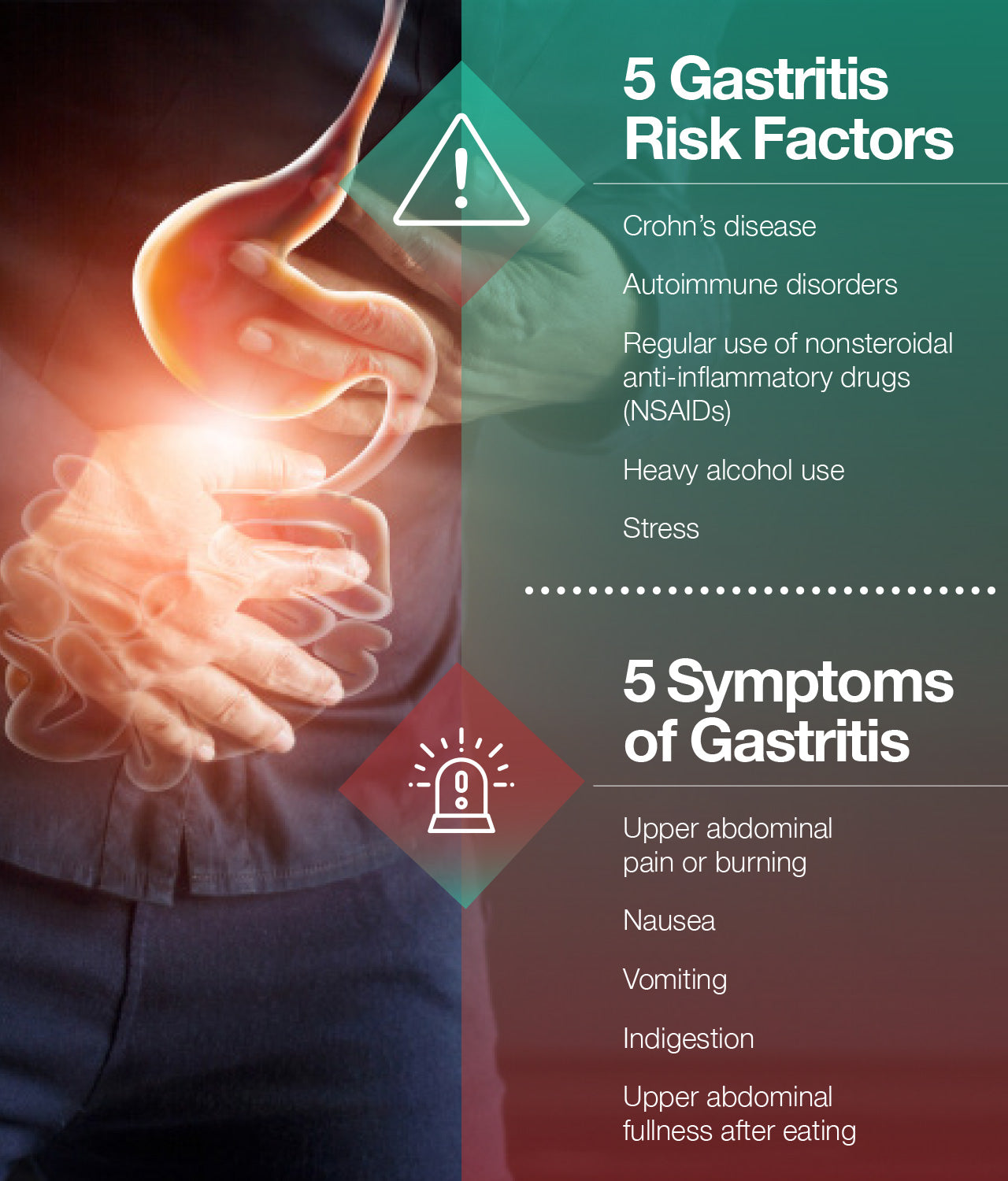
In fact, according to the Centers for Disease Control and Prevention (CDC), approximately two-thirds of the world’s population suffers from H pylori infection. Additional risk factors associated with gastritis include:
Interestingly, many people with gastritis never have any symptoms. In addition, people who are infected with H pylori in childhood may not have any symptoms until they reach adulthood. However, if gastritis symptoms are present, they may include:
Symptoms of gastritis may be mild or severe and, if left untreated, can sometimes result in serious complications. Some of these include:
If your symptoms don’t improve or worsen or you develop any shortness of breath, dizziness, weakness, vomiting with blood, blood in the stool, or black, tarry stool, see your health care provider right away. These are all symptoms of bleeding in the stomach and require immediate medical attention.
While your health care provider will probably suspect gastritis after speaking with you about your medical history and conducting a physical exam, they may also choose to perform additional tests to determine the exact cause and help guide treatment. These tests may include:
Once the diagnosis of gastritis has been confirmed, treatment will be tailored to the specific cause, though therapy should address any symptoms that are present as well.
In the case of pernicious anemia resulting from atrophic gastritis, B12 injections may be administered to help prevent complications of B12 deficiency.
Symptomatic treatment may also be provided in the form of medications designed to decrease the level of acid produced by the stomach, thereby helping to promote healing of the inflamed stomach lining. These types of medications include proton pump inhibitors (PPIs), H2 blockers, and antacids, such as:
When addressing the cause of gastritis, treatment may be as simple as removing the offending agent, such as alcohol, or, in the case of NSAIDs, recommending a dose reduction or change to another type of medication.
If you’re found to have H pylori infection, you’ll be treated with antibiotics to kill the bacteria and decrease your risk of developing complications such as peptic ulcer disease and gastric cancer. Several natural remedies have also been shown to be beneficial in the treatment of H pylori:
While gastritis caused by H pylori, NSAIDs, or alcohol may be rather easily treated with the use of antibiotics (in the case of H pylori) or withdrawal of the offending agent (in the case of NSAIDs and alcohol), the treatment of gastritis resulting from other causes may be more complex. Cases resulting from stress or autoimmune disorders, for example, may benefit from equal parts healing and therapeutic prevention.
According to the National Institute of Diabetes and Digestive and Kidney Diseases (NIDDK), research has not been able to find a significant connection between a person’s diet and nutritional status and the development or prevention of gastritis.
However, the Mayo Clinic advises several changes to the diets of people suffering from gastritis. These include eating frequent, small meals and avoiding fried, fatty, acidic, or spicy foods.
Other sources suggest that foods known for their anti-inflammatory properties and ability to support immune and digestive system health may be helpful in fighting both the underlying causes and inflammation that characterize gastritis.
When choosing foods to aid in recovery from gastritis and help prevent its return, look for foods high in fiber, lean protein, antioxidants, probiotics, and omega-3 fatty acids. And be sure to avoid substances that irritate your sensitive stomach lining, such as carbonated beverages, coffee, and processed foods.

There’s also a growing body of evidence indicating that the use of certain supplemental amino acids may be beneficial in the treatment of gastritis.
For example, studies have shown that a combination of zinc and carnosine peptide—a substance derived from the amino acids beta-alanine and histidine—is effective against H pylori and has the ability to repair the stomach’s damaged mucosal lining. One study also found that these effects were perfectly achievable with the use of over-the-counter zinc carnosine supplements.
Another study found that the amino acid N-acetylcysteine (NAC) leads to improvements in both symptomatology and endoscopic findings in patients with chronic atrophic gastritis.
In addition, a study in the Journal of Nutrition found that the amino acid glutamine has the ability to decrease the inflammation and mucosal abnormalities associated with H pylori infection.
The pain and discomfort of gastritis, when they occur, are never pleasant and shouldn’t be ignored. But with appropriate treatment and the help of your health care provider—who can provide you with tips on everything from reducing stress to eradicating H pylori and supporting the body’s healing process with proper nutrition—symptoms can be alleviated and healing achieved.
Be the first to know about new craveable recipes and tips for living your best life.

If you’re concerned about your esophageal health, read on to learn about the symptoms and causes of Barrett’s esophagus and what you can do to protect yourself from esophageal cancer.

Esophagitis is any swelling, inflammation, or irritation of the esophagus. Let's dissect the causes, symptoms, treatments for and types of esophagitis.
Sign up for our newsletter and let us know what you’re interested in, and you’ll also receive a free E-Book.
30 years of research... and still going.

Give us a try today.
If, for any reason, you don’t like us or our products, simply contact our support team within 60 days and we’ll happily refund you 100% of your payment.
It's our way of making sure you're completely happy with your purchase.

