

 833-264-6620





 By: by Amino Science
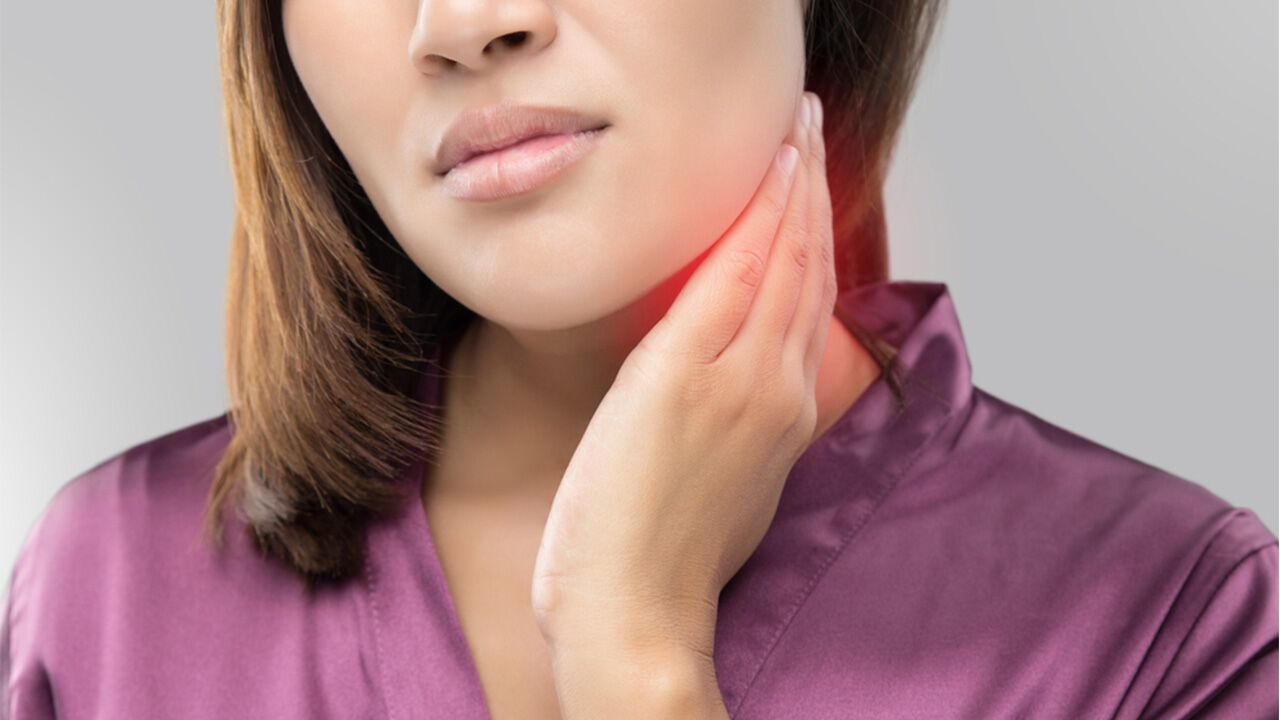
Lymph nodes are the members of the lymphatic system that are responsible for filtering lymphatic fluid and protecting the body from infection and disease. However, the lymph nodes can sometimes become inflamed as well. When this happens, it’s known as lymphadenitis, and the symptoms that arise depend on the underlying cause of the condition and the location of the swollen lymph nodes. If you’ve ever wondered what sparks off this lymph node inflammation and what you can do about it, read on to discover all you need to know about lymphadenitis.
While the lymph nodes are sometimes referred to as lymph glands, they’re actually not really glands at all, as glands secrete substances—the lymph nodes simply act as filters.
The human body has approximately 600 of these small bean-shaped little filters, which are clustered in groups, each of which is responsible for draining a specific area of the body. And these groups, in turn, are linked by lymphatic vessels that transport lymph fluid throughout the body.
The lymph fluid performs a number of functions, including transportation of fat from the small intestine, delivery of lymphocytes (a type of white blood cell) to the bloodstream, and removal of bacteria, viruses, parasites, toxins, and old, damaged, or abnormal cells.
With the help of both gravity and muscle movement, the lymphatic fluid flows from tiny lymph vessels into larger lymph vessels as it moves toward the lymphatic ducts. The ducts then empty into the subclavian vein, which is actually a paired vein that empties into the superior vena cava. And the superior vena cava, in turn, drains into the right atrium of the heart.
Because the lymph nodes contain lymphocytes and macrophages (another type of white blood cell)—the two specialized immune cells responsible for filtering the lymph fluid and capturing and breaking down unwanted substances—they perform an important role for the immune system by cleaning the blood of potential causes of illness. In fact, it’s been estimated that without the lymphatic system, the average person would survive for only 24 hours.
Lymph node swelling is usually the result of an infection—typically a viral infection such as the common cold—and the lymphatic system’s response to that infection. And it’s this inflammatory type of lymphadenopathy, or abnormal enlargement of the lymph nodes, that’s referred to as lymphadenitis.
When the body is exposed to pathogens like viruses or bacteria, the lymph nodes speed up the process of making white blood cells, which causes pressure and swelling to increase inside the nodes. These enlarged lymph nodes also often occur near the site of the infection, which makes them helpful in determining the underlying illness.
Some of the more common causes of swollen lymph nodes include:
However, enlarged lymph nodes may also be caused by other, less common infections, immune disorders, and even cancer. Some of these conditions include:
The signs and symptoms of lymphadenitis vary depending on which lymph nodes are involved and what’s behind the inflammation. Parts of the body commonly affected by lymph node swelling include the armpits, neck, chin, and groin area, and the first thing you may notice is tenderness and enlargement of the lymph nodes in one or more of these areas.
Depending on the cause of the swelling, additional symptoms may include:
Sometimes swollen lymph nodes may point to a more serious condition. You should speak with your health care provider if any of the following symptoms are present:
If you’re suffering from lymphadenitis, the first thing to remember is that the condition itself is not a disease—it’s simply a symptom of an underlying condition. Therefore, your doctor will first need to speak with you about your medical history and perform a physical examination.
During the physical exam, your health care provider will determine the size, texture, mobility, and location of the swollen nodes and whether they’re painful or warm to the touch. Observing the lymph node swelling to see if it’s localized or generalized will also help narrow down whether the condition is confined to a small area or indicative of a systemic problem.
Medical conditions associated with localized lymphadenopathy include:
Conditions associated with generalized lymphadenopathy include:
Depending on what your health care provider suspects, additional tests may be performed to confirm or exclude the suspected underlying condition. These include:
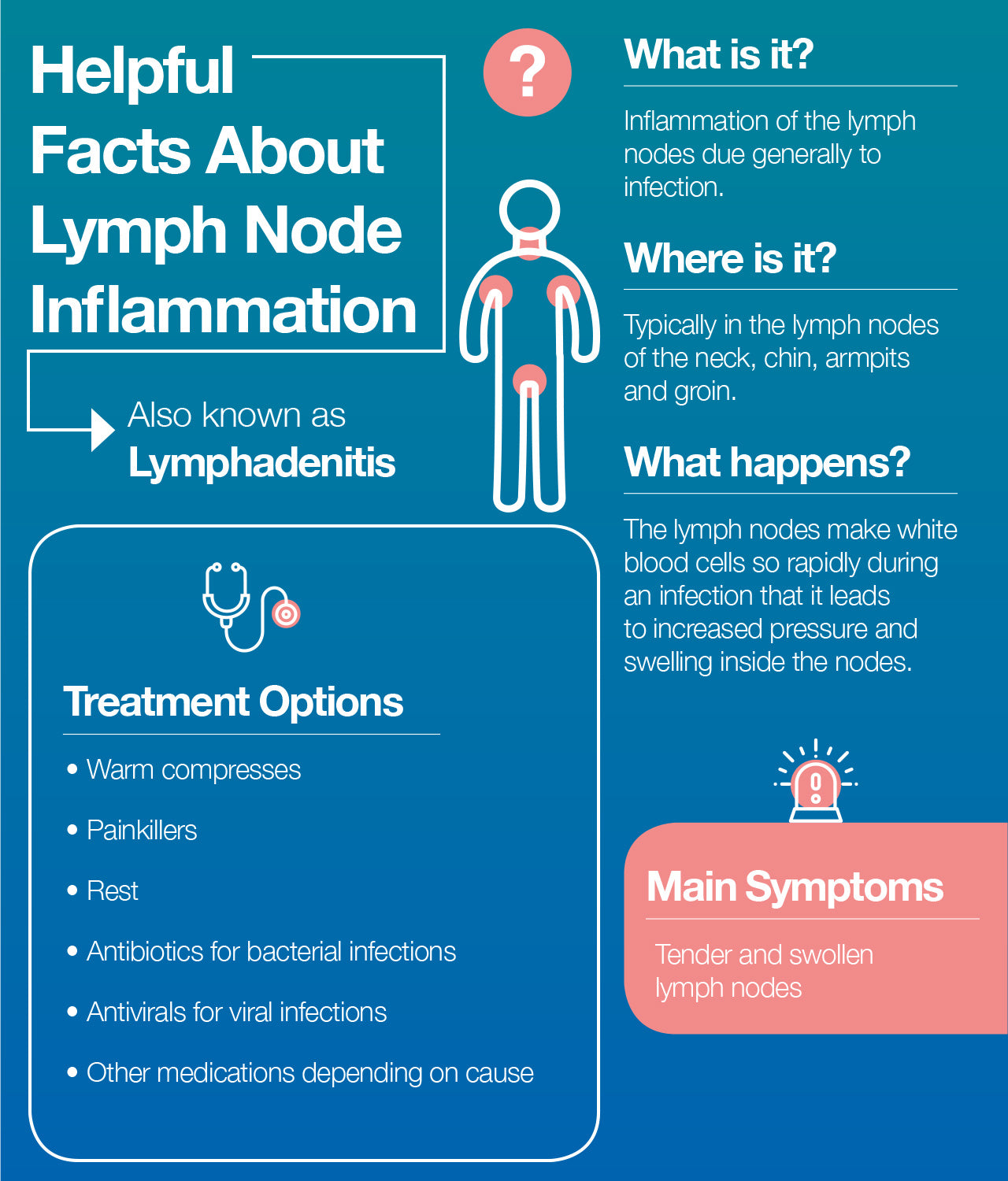
Once the cause of the lymphadenitis has been identified, treatment will depend on the underlying reason for the infection. If your health care provider concludes you have a self-limiting infection that doesn’t require formal treatment with antibiotics, antivirals, or other prescription medications, supportive measures such as warm compresses, rest, and over-the-counter pain relievers may be recommended.
People whose swollen lymph nodes are found to be the result of an immune disorder will have their treatment guided by the underlying condition as well. And in the case of cancer, surgery, radiation, or chemotherapy may be recommended.
It’s also important to note that people with enlarged lymph nodes resulting from untreated infections may develop complications, such as abscess formation and sepsis. In the case of an abscess, the localized collection of pus may require drainage and antibiotic treatment. However, once the infection has spread to the bloodstream, it becomes a medical emergency, as sepsis can lead to organ failure and even death. Patients who develop sepsis will require hospitalization and intravenous (IV) antibiotics.
Most cases of enlarged lymph nodes are the result of relatively benign infections that resolve themselves with minimal treatment and leave no lasting effects. But some causes of lymph node swelling are more serious, so if you’re experiencing persistent, extensive, or rapidly changing symptoms, be sure to seek medical attention right away.
To keep your immune system strong and inflammation at bay, consider taking essential amino acids every day.

Be the first to know about new craveable recipes and tips for living your best life.
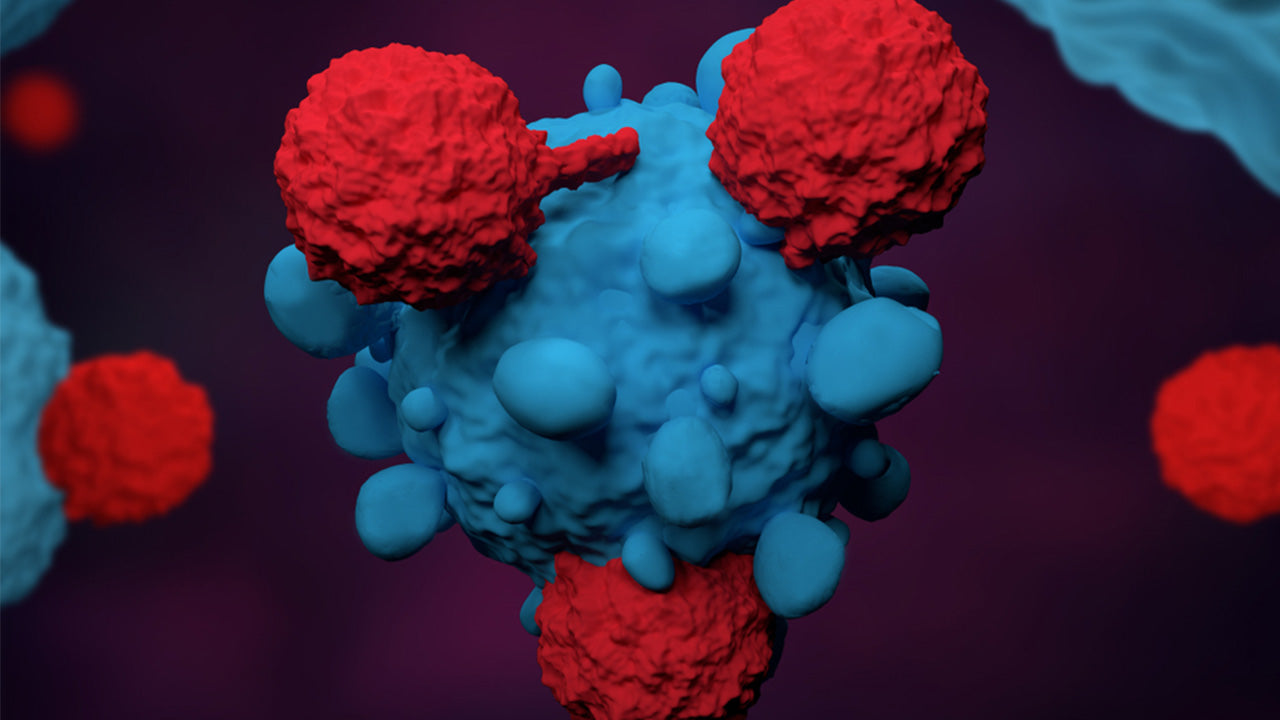
You may have heard vaguely about the importance of T-lymphocyte or T-cells in your immune system, but how do they function? Find out how closely linked amino acids like glutamine, methionine, and leucine are to your immune system response and the utilization of T-lymphocyte cells to fight diseases and cancer.
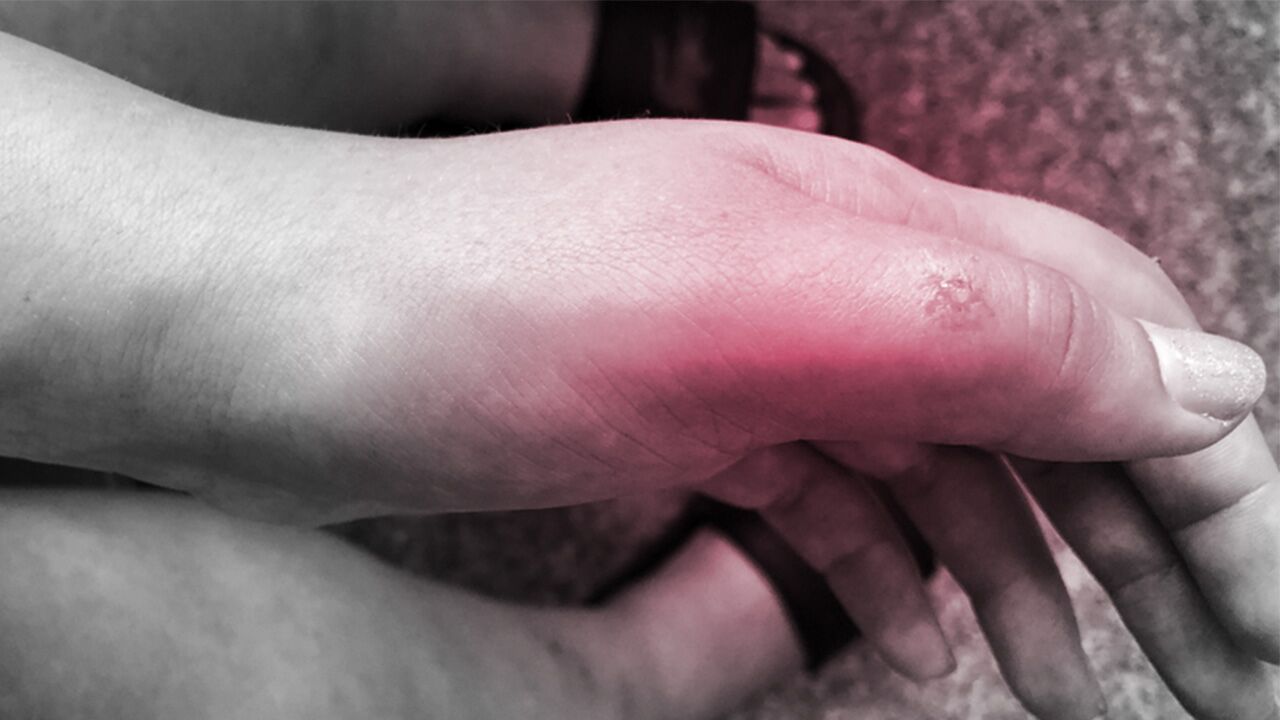
Lymphangitis occurs when the lymphatic system becomes inflamed, most often from an infection. Here is a look at what causes lymphangitis, what symptoms to watch for, and how to treat the infection conventionally or with natural methods.
Sign up for our newsletter and let us know what you’re interested in, and you’ll also receive a free E-Book.
30 years of research... and still going.

Give us a try today.
If, for any reason, you don’t like us or our products, simply contact our support team within 60 days and we’ll happily refund you 100% of your payment.
It's our way of making sure you're completely happy with your purchase.

