

 833-264-6620





 By: by Amino Science

Inflammation is a vital response of the body to injury and infection. Without it, the immune system wouldn’t intervene to heal damaged tissue or fight off dangerous pathogens. When the inflammatory process is working smoothly, it helps us conquer acute illnesses, such as upper respiratory infections. But when it goes awry, chronic inflammation can lead to diseases such as rheumatoid arthritis and heart disease. Sometimes inflammation even affects the brain. And when inflammation of the brain occurs—but the spinal cord remains unaffected—it’s called encephalitis.
While the exact cause of encephalitis isn’t always clear, most cases are associated with viruses that have the ability to cross the blood-brain barrier—the semipermeable membrane surrounding the brain—and infect the central nervous system. Viral infections that have been known to cause encephalitis include:
Even though viruses are the main cause of encephalitis, the condition can also be the result of bacteria, parasites, noninfectious causes like drug allergies, demyelinating conditions such as multiple sclerosis, and autoimmune diseases, including a rare condition known as anti-NMDA receptor encephalitis, which was only recently identified in 2007.
Anti-NMDA receptor encephalitis was largely brought to public attention by the memoir Brain on Fire and can result in a number of bizarre psychiatric symptoms, which has led experts to speculate that the disorder most likely explains the cases of so-called demonic possession that have been documented over the centuries.
There are two broad types of encephalitis, and which kind you have depends on how the infection attacks your body and how your body responds.

Symptoms of brain inflammation can range from mild to severe. According to the National Institute of Neurological Disorders and Stroke (NINDS), benign forms of encephalitis may present as mild flu-like symptoms. According to NINDS and the Mayo Clinic, those who do have symptoms often experience some of the following:
| Flu-like symptoms: | Brain fog | Loss of consciousness |
|---|---|---|
| Fever Headache Muscle aches Joint pain Fatigue Weakness |
Confusion | Seizures |
| Agitation | Double vision | |
| Hallucinations | Impaired judgment | |
| Difficulty hearing or speaking | Memory loss | |
| Partial paralysis or loss of sensation | Personality changes |
In cases of encephalitis involving young children, symptoms may also include:
After obtaining a medical history and performing a physical exam, your health care provider may order a series of tests to confirm the diagnosis of encephalitis. Tests commonly used to diagnose the condition include:
According to the Encephalitis Society, approximately 250,000 cases of encephalitis have been diagnosed in the United States over the last decade. While that equates to only about 1 in 200,000 cases each year, several factors are known to increase the risk of developing the condition. These include:
Most cases of encephalitis are relatively mild, and those affected generally recover within a few weeks with no long-term side effects. However, in severe cases, the resulting brain damage can lead to coma or even death. Other less life-threatening complications can occur as well and may persist for months or years. These include:
People suffering from these types of long-term side effects will need additional therapy to improve functioning. Types of therapy that might be required include:
Because encephalitis is considered a serious medical condition, even mild cases require hospitalization and close monitoring. Beyond that, specific care will be determined based on age, overall health, medical history, and disease severity. Treatment will also focus on addressing the underlying cause and symptoms and supporting overall well-being.
Mild cases of encephalitis may be treated with:
If the encephalitis is found to be the result of bacteria or fungi, the appropriate antibiotic or antifungal medication will be instituted.
Likewise, cases resulting from viruses are usually treated with antiviral medications even though not all viruses respond to antivirals. This is because the risk of severe complications with encephalitis, coupled with the fact that the specific virus may never be identified, leads many health care providers to opt for antivirals as a precaution.
Supportive treatment for severe cases of encephalitis may also include:
Amino acids are well known as building blocks of protein and are needed for proper functioning of the entire body, including the immune system and brain. Some amino acids also offer anti-inflammatory and antiviral benefits.
Interestingly, recent research has even suggested a link between Alzheimer’s disease and HSV—one of the viruses known to cause encephalitis. In addition, like Alzheimer’s, herpes simplex encephalitis may lead to long-term memory loss. However, the amino acid lysine has the ability to suppress replication rates of the herpes virus and may therefore be a valuable addition to encephalitis treatment.
Amino acids work in concert with each other, and taking a single amino acid supplement can throw this balance off and cause unwanted side effects, including moodiness or muscle loss. To benefit from amino acids while keeping blood levels balanced, supplement with a complete host of amino acids in scientifically optimized ratios.
As you begin the process of recovering from encephalitis, it’s especially important to focus on ways to improve your overall health and help decrease levels of inflammation in the body. To this end, making dietary changes with the ability to reduce chronic inflammation may be particularly helpful. Some of these dietary changes include:
According to the Milton S. Hershey Medical Center, the following supplements and herbs may also be helpful in rebuilding the body after encephalitis:
Finally, it’s important to remember that early diagnosis and treatment are crucial for preventing potential complications of encephalitis, so be sure to seek immediate medical attention at the first sign of severe headache, fever, or altered consciousness.


Be the first to know about new craveable recipes and tips for living your best life.
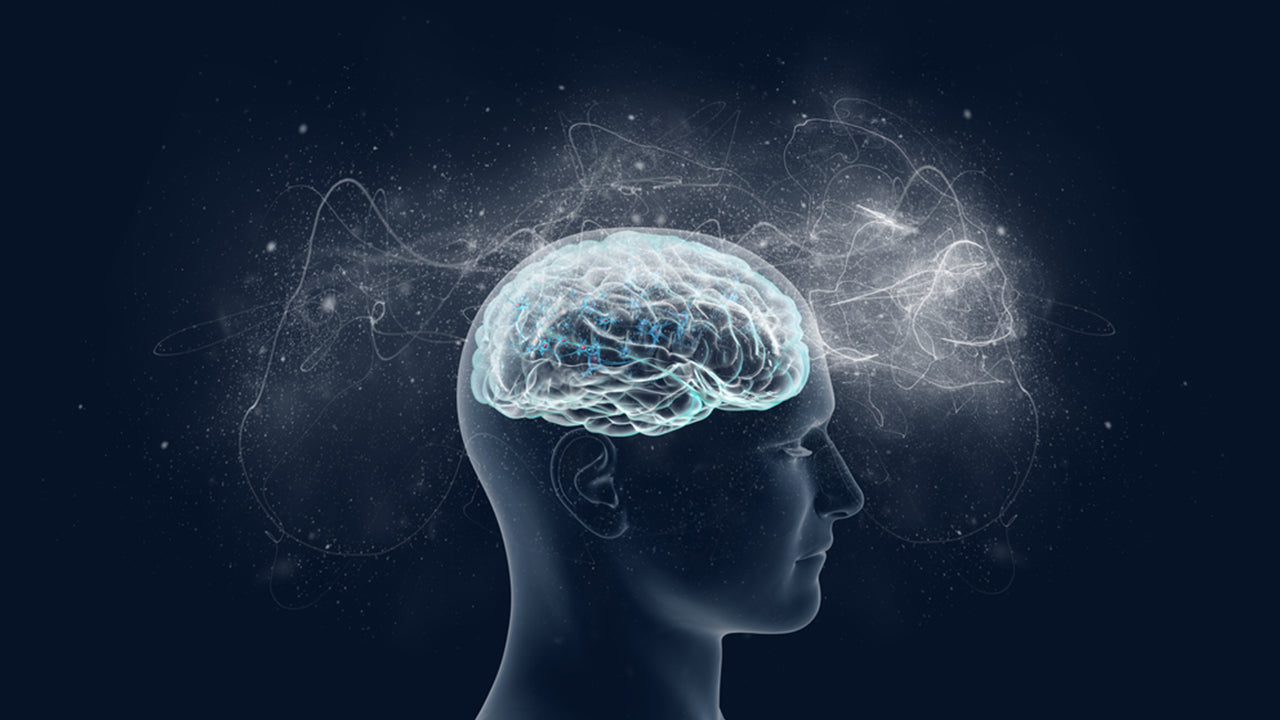
Our brains are very intricate, splendid organs with a network of connections and pathways that work harmoniously together so we can think, feel, and react. We’ll look at the impressive machine between your ears and how brain chemicals affect your emotions and overall state of mind.

Did you know downward-facing dog can positively affect your brain chemistry? Turns out yoga and your brain make great pals. Researchers have found that practicing yoga may elevate brain gamma-aminobutyric (GABA) levels, your brain’s primary inhibitory neurotransmitter.
Sign up for our newsletter and let us know what you’re interested in, and you’ll also receive a free E-Book.
30 years of research... and still going.

Give us a try today.
If, for any reason, you don’t like us or our products, simply contact our support team within 60 days and we’ll happily refund you 100% of your payment.
It's our way of making sure you're completely happy with your purchase.

