

 833-264-6620




 By: by Amino Science
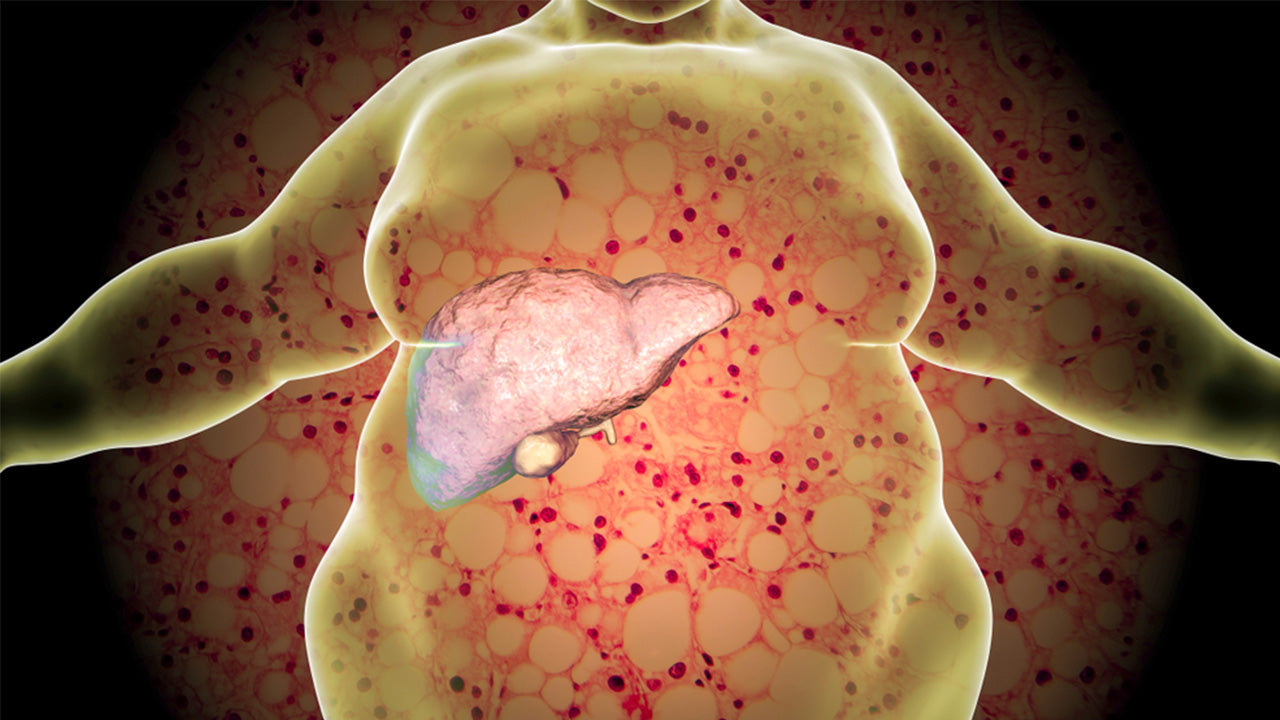
Liver disease comes in two major types: alcoholic fatty liver disease and nonalcoholic fatty liver disease. About a third of American adults are affected by fatty liver disease, and it's one of the primary contributors to liver failure in the Western world. Nonalcoholic fatty liver disease is often associated with obesity and is frequently caused by highly processed food diets and a sedentary lifestyle. Treating fatty liver disease by eating a fatty liver diet can help reduce the amount of unhealthy fats in your food and restore your liver to its optimal functioning so that it can go on producing digestive bile and detoxing the body.
A fatty liver diet includes high-fiber plant foods like whole grains and legumes, very low amounts of salt, sugar, trans fat, saturated fat, and refined carbs, absolutely no alcohol, and plenty of fruits and vegetables. Eating a low-fat diet like this goes a long way in helping you lose weight, another factor in fatty liver disease. Reducing body fat and consuming less dietary fat help reverse fatty liver disease before it leads to dire health consequences, so consider these top 10 foods to be part of a fatty liver cure.

Eating green veggies like broccoli, spinach, kale, Brussel sprouts, etc. can help prevent fat buildup in your liver. Broccoli, for example, has been shown to prevent liver fat buildup in mice models, and eating a diet full of green leafy vegetables is well-known for helping to encourage weight loss and better overall health. Try this recipe for Tuscan Vegetable Soup from LiverSupport.com to find out just how tasty vegetables can be when you include them in your diet.
Fatty fish like trout, salmon, tuna, and sardines are not bad for you just because they're fatty—healthy fats make a world of difference. Fatty fish contain high amounts of omega-3 fatty acids, which can actually improve your liver fat levels and reduce liver inflammation. Check out another low-fat recipe from LiverSupport.com for Cornmeal and Flax-Crusted Cod or Snapper to get an idea for fish dishes that could improve your health.
Walnuts are also a good source of healthy fat full of omega-3 fatty acids just like fish. Research confirms that including walnuts in one's diet helps treat nonalcoholic fatty liver disease, improving liver function tests and bettering the health of patients.
Low-fat dairy products such as milk, cheese, and yogurt contain whey protein, which is not only a popular supplement for muscle growth among bodybuilders, but has also been shown to protect liver cells from damage sustained due to nonalcoholic fatty liver disease, according to this 2011 animal-based study.
A staple of the Mediterranean diet, olive oil is full of omega-3 fatty acids and can be used in cooking to replace butter, shortening, or margarine for much healthier meals. Olive oil can help bring down your liver enzyme levels and body weight. Start cooking with olive oil with this recipe for a Healthy Mixed Vegetable Stir-Fry.
The science behind green tea is extraordinary, leading researchers to believe that it can literally help you live longer. Studies support the conclusion that green tea can help enhance liver function and decrease liver fat storage as well.
Speaking of beverages, coffee can help lower high liver enzymes. The Mayo Clinic points out that studies have found coffee drinkers with fatty liver disease experience less liver damage than those who don't drink any caffeine at all, and further studies show that the amount of abnormal liver enzymes in those at risk for liver disease can be reduced by caffeine intake. If you were ever looking for an excuse to drink more coffee, now you have a really good reason.
Soy protein like the kind found in tofu has been found to reduce fat buildup in the liver. Not only that, tofu and other soy products provide a plant-based protein that can help other areas of your health when eaten regularly, including reducing the risk of heart disease.
Whole grains like oatmeal help lower blood sugar spikes and other risk factors for developing type 2 diabetes and also contribute to weight-loss efforts and improve your liver health and function. Including oatmeal as part of a healthy diet can aid your digestive health as well. Check out these various oatmeal recipes from Yumma at FeelGoodFoodie.
Sunflower seeds are full of vitamin E, an antioxidant that can help fight off free radical damage in the body and protect the liver. This 2016 review of studies details vitamin E's ability to protect the liver and avoid the development of liver cancer. A regular habit of snacking on sunflower seeds may just help save your life.
Now that you have some idea of what you should eat to combat fatty liver disease, let's quickly review the foods that should be avoided.
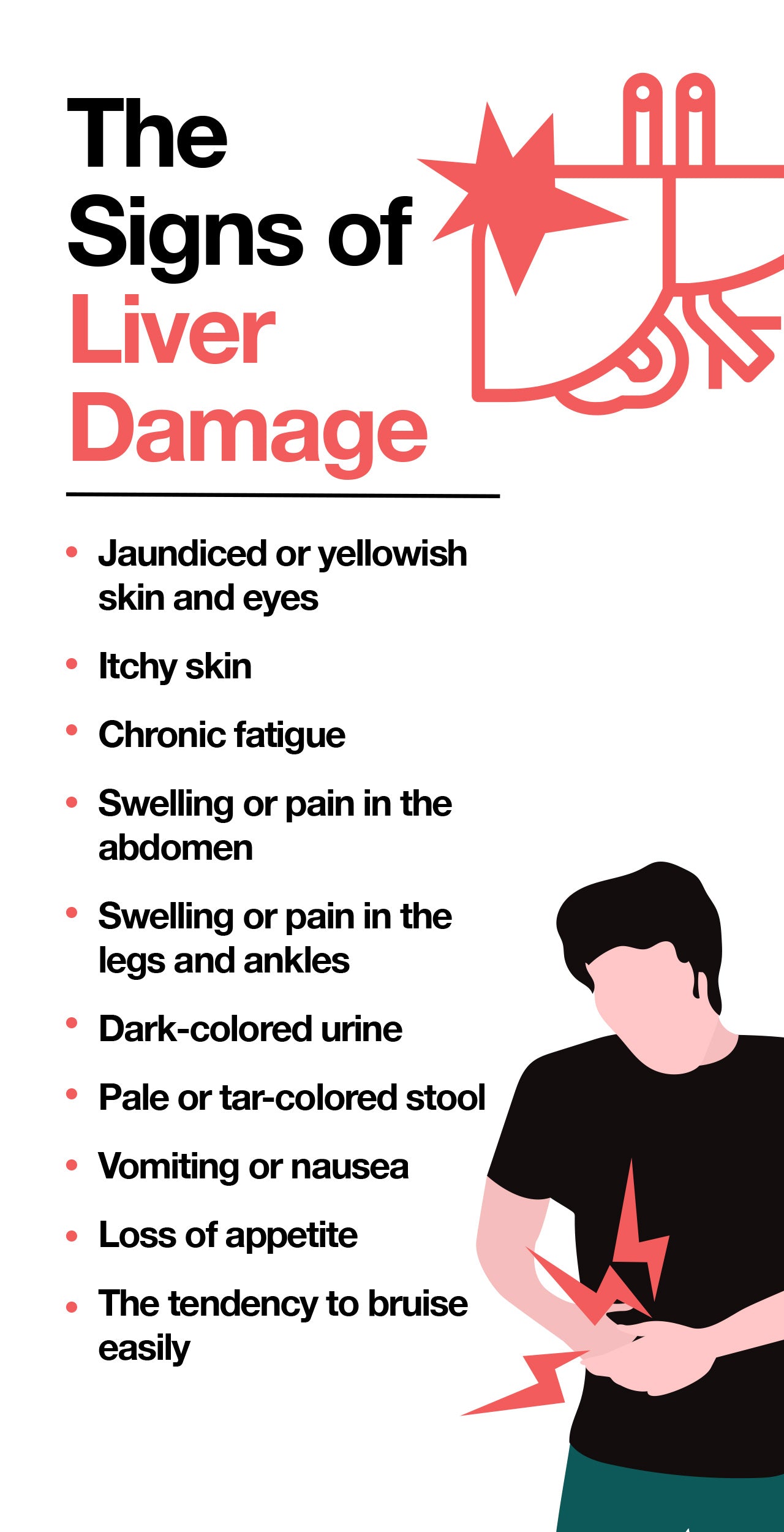
In the hopes of avoiding chronic liver disease or even a liver transplant, first seek medical advice from a trusted health care professional to get blood tests done and evaluate your specific circumstances. Then, outside of perfecting your diet, these other avenues can help:
Incorporating the 10 foods listed above into your diet and replacing unhealthy foods with better alternatives can help you lose weight and better the health of your liver before it's too late.
Be the first to know about new craveable recipes and tips for living your best life.
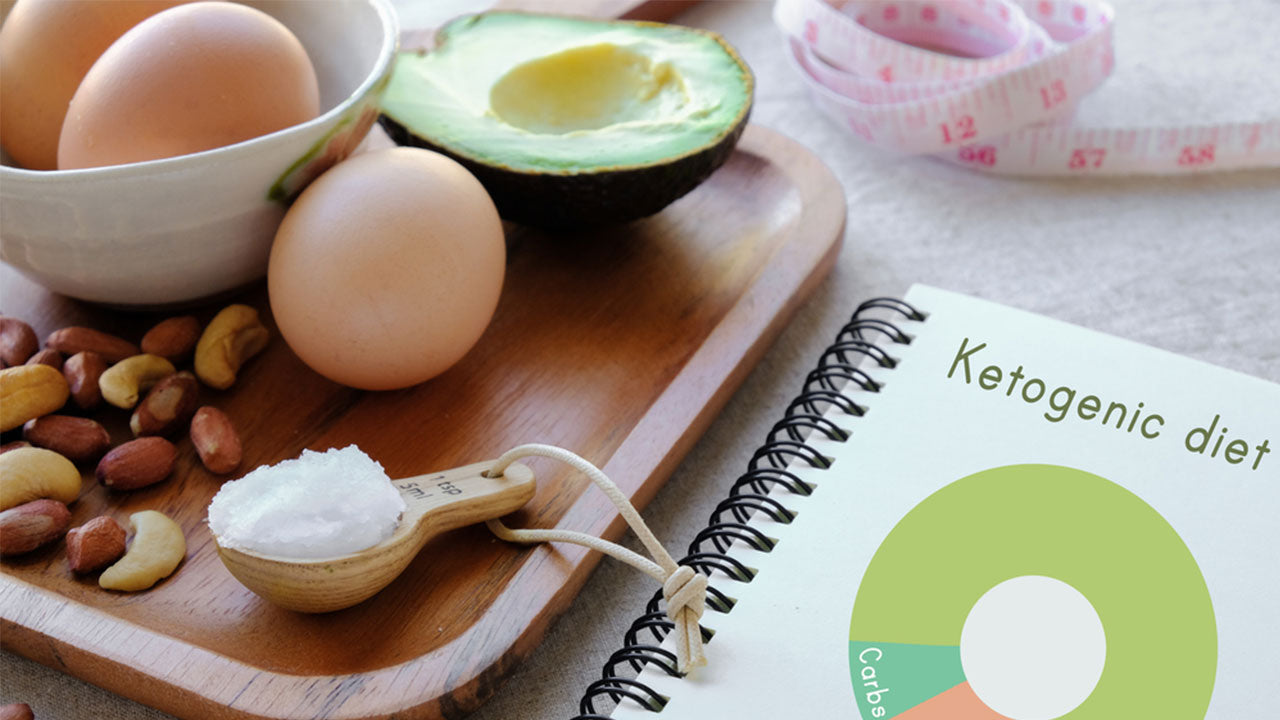
Is the ketogenic diet effective at preventing or even reversing fatty liver disease? Find out how a high-fat, low-carb diet can possibly restore your liver's health, and which foods are scientifically proven to help.
The NASH diet can help you reverse nonalcoholic fatty liver disease naturally and restore your liver to optimal performance. Discover the scientific data behind foods for NASH, plus proven natural remedies such as amino acid supplementation that can help your liver recover faster.
Sign up for our newsletter and let us know what you’re interested in, and you’ll also receive a free E-Book.
30 years of research... and still going.

Give us a try today.
If, for any reason, you don’t like us or our products, simply contact our support team within 60 days and we’ll happily refund you 100% of your payment.
It's our way of making sure you're completely happy with your purchase.

